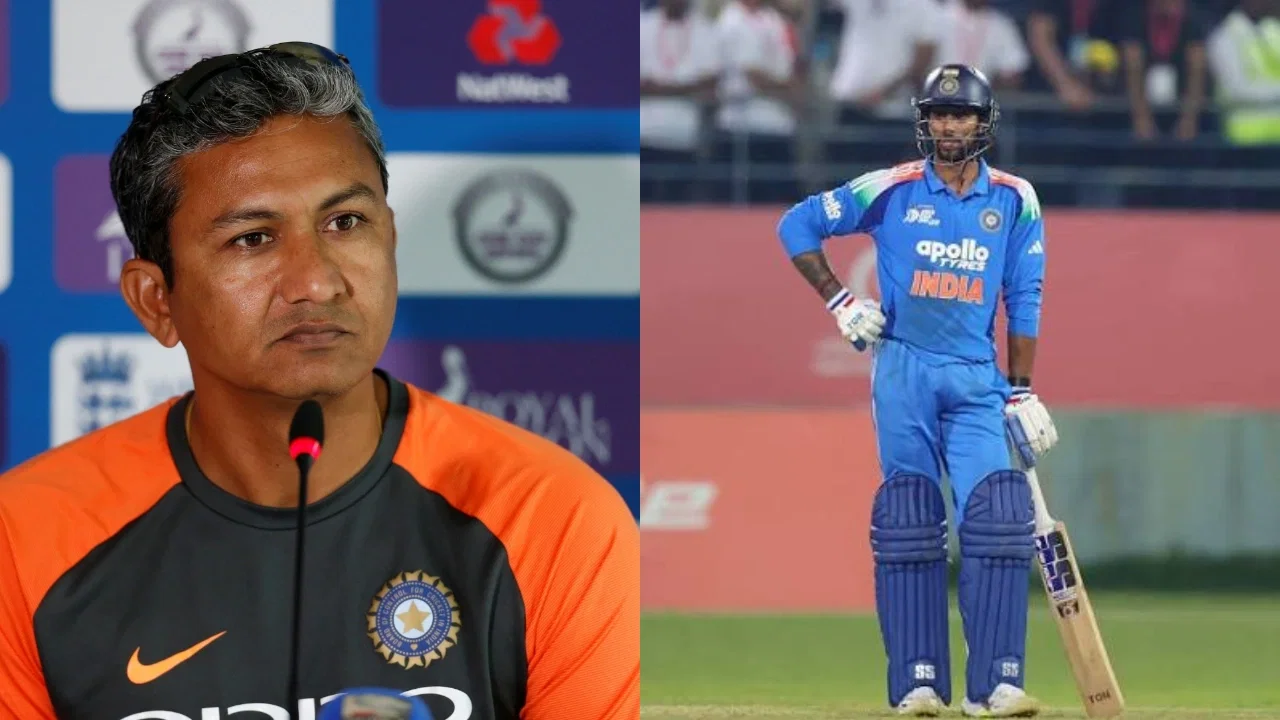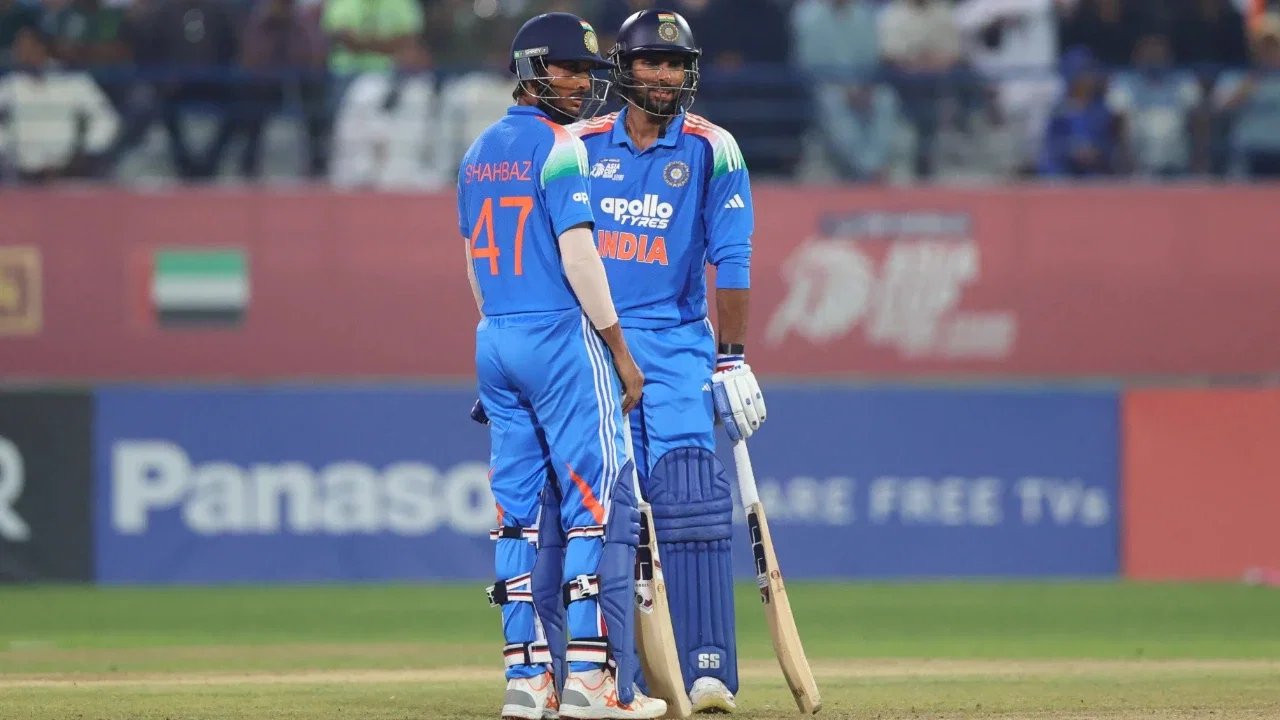
India’s WTC Final Hopes Tighten After Wellington Draw as Sourav Ganguly Questions Spin Selection
India’s opening Test against New Zealand at Wellington’s Basin Reserve ended in a draw, leaving the team with little room for error in the race to reach the ICC World Test Championship (WTC) 2025–27 final. The result has intensified scrutiny of India’s team selection, particularly the decision to play the first Test without a specialist frontline spinner.
Former India captain Sourav Ganguly praised the batters’ performance but argued that a genuine spinner is essential in overseas Tests, especially when a pitch becomes slower and flatter as a match progresses. His comments have renewed debate about the balance of India’s attack and the omission of Kuldeep Yadav and Manav Suthar.
Ganguly Calls for a Frontline Spinner in Overseas Tests
Writing on X, formerly Twitter, Ganguly acknowledged India’s strong batting and recent results across formats, while questioning the team’s bowling combination. He said that teams need a specialist spinner to take wickets on surfaces that offer less assistance to fast bowlers later in a Test.
“India has been brilliant this series, white ball and now red ball. The batting application looked super,” Ganguly wrote, before adding that a genuine spinner is a must in away Tests on pitches that flatten over time. He also suggested that Washington Sundar could provide all-round value while India selected a specialist such as Kuldeep or Manav Suthar.
The former captain’s criticism focused not only on the playing XI but also on the broader selection process. His post tagged the Board of Control for Cricket in India (BCCI) and asked why the two specialist spin options were unavailable for the match. The comments reflect a familiar question in overseas cricket: should a team prioritise an additional pace bowler, or retain a specialist spinner who can attack as conditions change?
India’s Batting Sets a Historic Benchmark
Despite the draw, India’s batting offered a major positive. The team declared its first innings at 720 for nine, with each of the top seven batters scoring at least 50—a rare achievement in Test cricket. KL Rahul’s 136 and Rishabh Pant’s 128 were central to the innings and helped India build a substantial first-innings advantage.
India’s lead of 352 runs put the side in a commanding position, but a large total did not translate into a victory. The match underlined the difference between building pressure through runs and converting that pressure into 20 wickets. On a pitch that became more favourable to batting, India needed its bowlers to find ways to break partnerships and keep New Zealand from surviving until the end.
Ganguly’s praise for the batting therefore came with a broader point: strong scoring is only part of the formula for winning overseas Tests. A varied attack, capable of exploiting different phases of the match, can be just as important—particularly when conditions change after the first innings.
What the Wellington Draw Means for India’s WTC Prediction
The draw has made India’s path to the WTC final considerably more demanding. With six Tests remaining in the campaign—one against New Zealand and five in the home series against Australia—India must now aim to win every remaining match to secure direct qualification, according to the scenario outlined after the Wellington result. A defeat or another draw could leave the team dependent on other results and may put its final hopes at risk.
That makes the next Test especially important. India will need to assess whether the Wellington combination gave the attack enough variety and whether its bowling plans can produce wickets more consistently. The selection decision will also be shaped by the conditions at the next venue, the fitness of the available bowlers and the team’s assessment of how much assistance the surface is likely to offer spin.
Any prediction about India’s WTC prospects remains uncertain, but the immediate calculation is clear: there is little margin for another missed opportunity. The team’s batting has shown it can dominate, yet the bowling unit must turn promising positions into wins if India is to control its qualification campaign.
Why Kuldeep Yadav and Manav Suthar Were Absent
Kuldeep Yadav was initially included in India’s 16-member squad, but he was later replaced by fast bowler Gurnoor Brar. The reported reasoning was to keep an additional pace option available as cover. That choice drew attention because Kuldeep offers a different style of attack from India’s seamers and could have provided a wicket-taking option if the pitch began to turn.
His recent performances and form were also part of the selection discussion. However, the decision to leave him out meant India entered the first Test without a specialist wrist-spinner. Ganguly’s comments suggest that, in his view, the potential value of a frontline spinner on a wearing surface outweighed the benefit of carrying another fast-bowling reserve.
Manav Suthar was not selected for the series. He had impressed in recent domestic and international opportunities, including with his wicket-taking performances in home conditions and his work during the Sri Lanka Tests. His omission was attributed to conditions and team balance, with the selectors appearing to favour pace options and spin-bowling all-rounders over another specialist spinner.
That preference is not unusual in overseas selection, where teams often seek additional pace depth. But the Wellington draw has renewed debate over whether India’s combination was too heavily weighted towards seam, particularly after the match moved into a phase where a specialist spinner might have offered a different route to wickets.
Selection and Execution Will Shape the Next Test
India’s challenge now is to respond without losing sight of what worked. The batting displayed patience and attacking intent, and the performances of Rahul and Pant gave the side a substantial platform. The next step is to build a bowling strategy that can sustain pressure across long spells and adapt as the pitch changes.
Captain Shubman Gill and the team management will have to weigh the value of an extra seamer against the need for a specialist spinner. Washington Sundar can contribute with both bat and ball, but Ganguly’s argument is that an all-rounder’s overs may not always replace the control and attacking threat of a frontline spinner.
With the WTC standings tightening, the next selection call will carry added significance. India’s route to the final remains possible, but the Wellington draw has made every remaining Test more consequential. The team’s batting has provided reasons for confidence; whether its attack can deliver the breakthroughs required will be central to India’s qualification hopes.