India vs New Zealand Test Ends in Draw as Gill Looks Ahead to Christchurch
India and New Zealand played out a draw in the first Test at Wellington’s Basin Reserve after a match shaped by two contrasting batting efforts and a surface that became increasingly difficult for bowlers. India built a commanding first-innings total, but New Zealand’s batters showed patience in their second innings to protect the match and deny the visitors a victory.
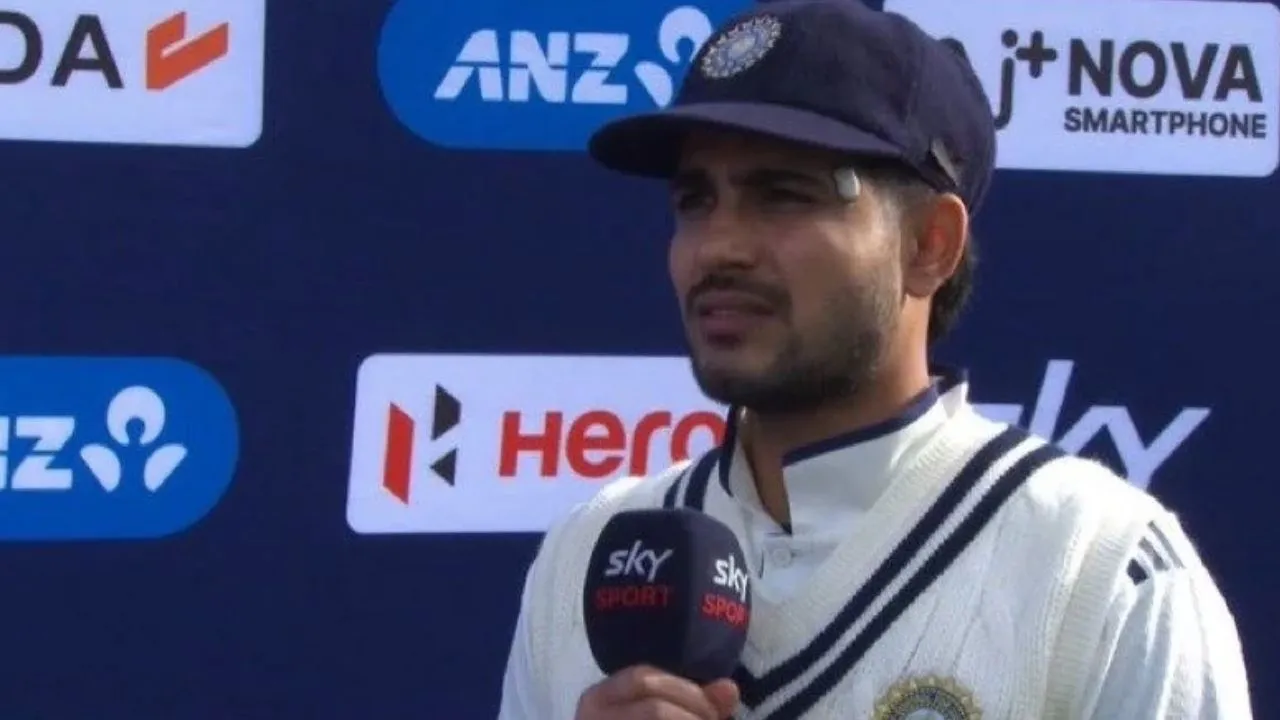
India captain Shubman Gill was pleased with the way his team competed away from home, particularly with the bat. He also acknowledged that taking all 10 wickets on a surface offering limited assistance was a demanding task. With the series still alive, attention now turns to Christchurch, where India will hope for a more balanced pitch and another opportunity to press for a win.
New Zealand Recover After Early Wickets
India won the toss and chose to bowl, encouraged by a green-looking pitch and the prospect of movement for the seamers. Jasprit Bumrah, returning to the Test side, made an immediate impact by dismissing New Zealand captain Tom Latham for a two-ball duck. The hosts soon found themselves under pressure at 70 for five.
However, Henry Nicholls and Glenn Phillips changed the direction of the innings with a determined sixth-wicket partnership. Rather than allowing the early collapse to dictate the match, the pair settled in, absorbed India’s attack and took advantage as the pitch became more comfortable for batting. Their stand produced 216 runs and gave New Zealand a substantial first-innings total of 368.
Nicholls led the recovery with an outstanding 175, while Phillips contributed 118. Their partnership highlighted an important feature of the match: conditions that initially appeared helpful to the bowlers gradually became more predictable, making sustained pressure harder to maintain. Bumrah finished with four wickets for 92 runs, a notable return in his comeback, but New Zealand’s lower order had already helped turn a difficult position into a competitive total.
India’s Batters Build a Massive Reply
India responded with a remarkable batting display, putting together 720 for nine declared. The innings began with a 130-run opening partnership, giving the visitors a strong platform and preventing New Zealand from carrying their early advantage into the next phase of the match.
Yashasvi Jaiswal set an attacking tone with 85, while KL Rahul showed patience and control on his way to 136. Devdutt Padikkal added 80, continuing the pressure on New Zealand’s bowlers, and Gill came close to a century before falling for 98. His dismissal was a disappointment for the captain, but India’s innings had plenty of momentum left.
Rishabh Pant marked his return with an impressive 128, combining confident stroke play with the ability to keep the scoreboard moving. Dhruv Jurel then supplied a brisk 78, extending India’s advantage and helping the team pass the 700-run mark. New Zealand’s Jacob Duffy endured a difficult outing, conceding 200 runs as India’s batters made full use of the increasingly favourable conditions.
India’s total was built through contributions across the order rather than relying on one individual. That depth was a positive takeaway for Gill: several batters made substantial scores, and the team’s ability to keep adding runs put New Zealand under pressure for much of the match.
New Zealand Bat for Survival on the Final Day
Faced with a large deficit and a surface that remained good for batting, New Zealand approached their second innings with survival as the priority. The hosts needed to preserve their wickets, blunt India’s bowling attack and use up enough time to secure the draw.
Rachin Ravindra and Devon Conway began the resistance with a painstaking 72-run partnership from 202 deliveries. Their approach was deliberately cautious: they focused on defence, left the ball carefully and avoided giving India easy breakthroughs. Later, Phillips and Daryl Mitchell continued the effort, adding 63 runs from 258 balls.
The long partnerships frustrated India’s bowlers and steadily reduced the time available to force a result. Although India created a few opportunities, the pitch offered limited assistance, and the New Zealand batters remained disciplined. The match therefore ended in a draw, despite India’s commanding first-innings score.
Gill’s Assessment: A Challenging Pitch, but a Strong Team Effort
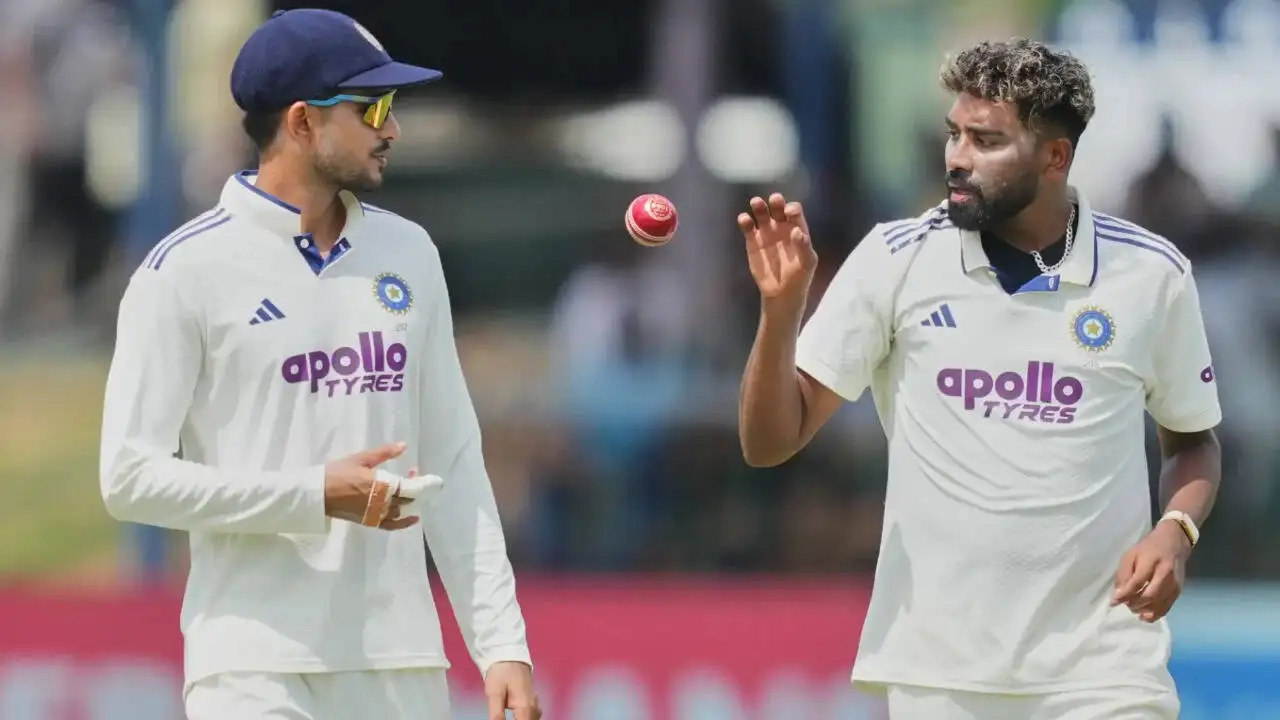
Speaking after the match, Gill said India understood that taking 10 wickets on the final day would be difficult. He described the team’s effort in the field as decent and noted that the conditions made it challenging to finish the job. He also suggested that India had created some chances, but the surface and New Zealand’s resistance combined to keep the result out of reach.
Gill was more emphatic when reflecting on India’s overall performance. He praised the team for challenging New Zealand in different phases of the match and highlighted the value of the batting effort. India scored nearly 700 runs, with contributions from several players, while the bowlers had also made an impact during New Zealand’s first innings.
For India, the draw offers both encouragement and a clear lesson. The batting unit demonstrated that it can build a major total overseas, but the team will need sustained penetration with the ball when conditions are less favourable. Long spells, accurate lines and the ability to create pressure without relying solely on movement will be crucial on another flat surface.
Christchurch Test: What India Must Improve
Gill said he hoped the pitch for the next Test in Christchurch would offer a little more assistance to the bowlers. He pointed out that India’s fast bowlers had worked hard, with each putting in a heavy workload, and noted that fatigue can become a factor when a match stretches across several days without regular breakthroughs.
His message was that India did not necessarily need to overhaul its approach. If the team can reproduce the same consistency with the bat and execute its bowling plans more effectively, Gill believes it will be in a strong position. A surface with even modest movement or bounce could make the contest more balanced and give India’s quicks greater opportunity to attack.
The first Test’s prediction for the series remains open: India have shown the batting depth to dominate, while New Zealand have demonstrated the patience required to survive under pressure. The Christchurch match is likely to hinge on whether India can turn promising spells into wickets—and whether New Zealand can again make the most of home conditions. For fans, the draw sets up a compelling next chapter, with both sides carrying clear strengths and unfinished business into the second Test.