Usman Khawaja’s Return to Cricket Rekindles Sandpapergate Debate
Usman Khawaja’s return to the cricket field in Cairns brought more than a T20 Gold Clash match into focus. The former Australia opener’s first appearance in cricket gear since making fresh claims about the 2018 Sandpapergate scandal drew a divided response from the crowd, with some spectators cheering him and others booing.
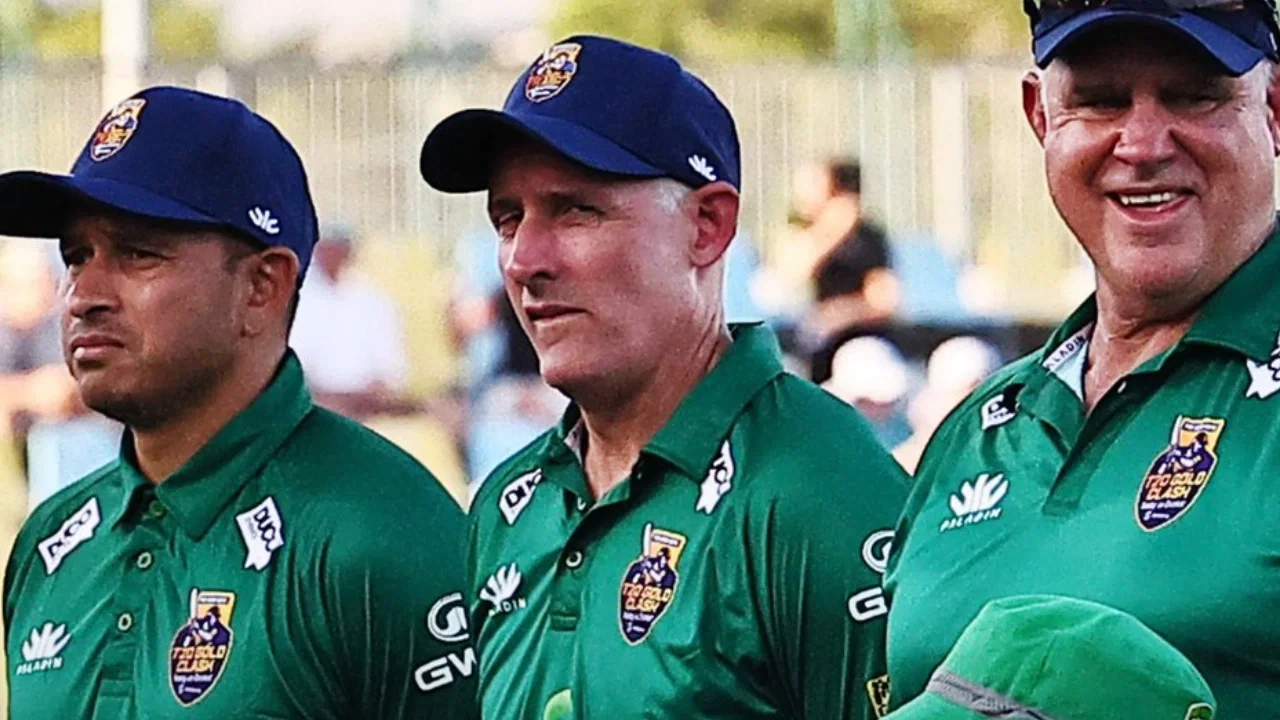
The match offered a striking contrast: away from the headlines and public disagreement, Khawaja shared the field with former Australia coach Darren Lehmann and ex-Test opener Matthew Hayden—both of whom have rejected aspects of Khawaja’s account. The players competed together without visible tension, and a shared wicket celebration became one of the day’s most talked-about moments.
Why Sandpapergate Is Back in the Headlines
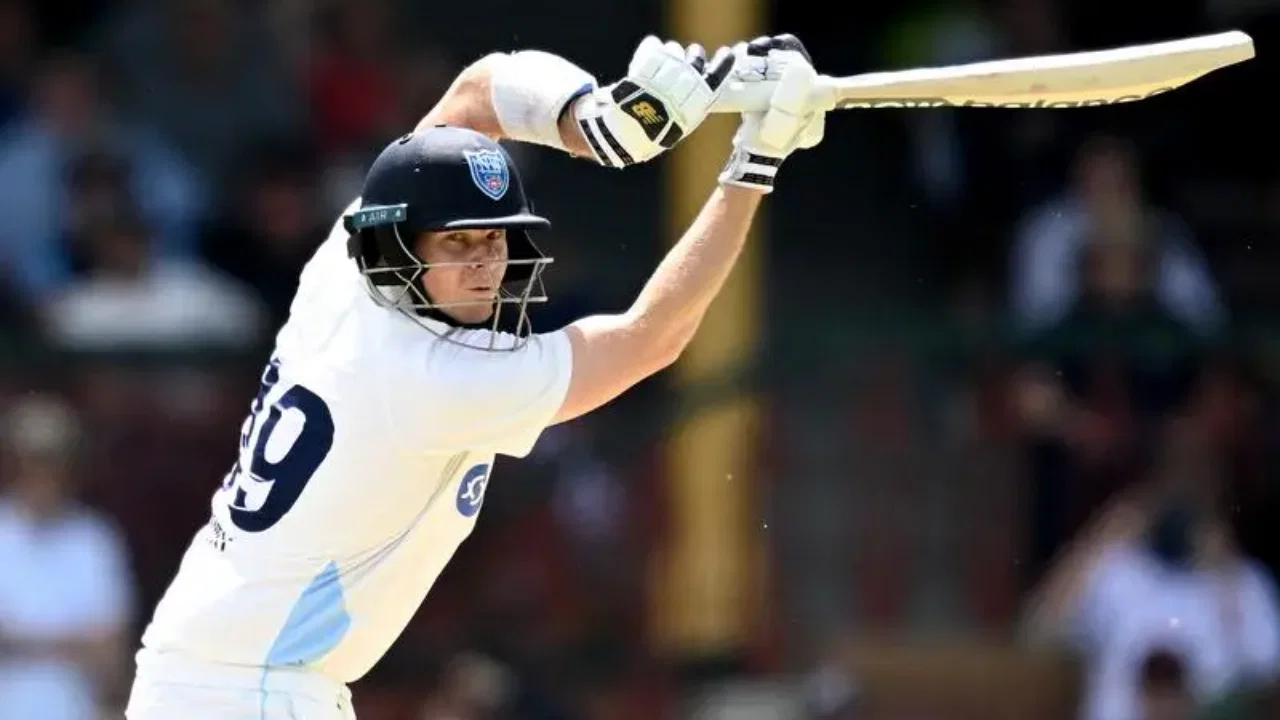
The controversy dates to the third Test between Australia and South Africa in Cape Town in 2018. During the match, Cameron Bancroft was caught on camera attempting to alter the ball with a piece of sandpaper. The incident led to bans for Bancroft, captain Steve Smith and vice-captain David Warner, and prompted a major review of Australian cricket’s culture and leadership.
Although the sanctions addressed the actions of those directly implicated, questions have continued about how much other players and staff knew. Khawaja has recently argued that the ball-tampering plan was not limited to a small group and that more members of the team were aware of what was happening. His claims have renewed debate about responsibility, knowledge and the events behind the scenes.
Khawaja’s comments have also attracted attention following the release of his autobiography, Sabr. The book and his subsequent interviews have brought renewed scrutiny to a scandal that remains one of the most damaging episodes in modern Australian cricket. However, accounts of what happened differ, and the full extent of any wider knowledge has not been established publicly.
Khawaja and Lehmann Share the Field
Lehmann was Australia’s head coach during the 2018 South Africa tour. Khawaja has suggested that Lehmann knew about a plan to tamper with the ball, an allegation the former coach has denied. Their appearance on the same side in Cairns therefore carried added significance, even though the match itself was a recreational T20 contest rather than a formal response to the dispute.
On the field, the pair appeared comfortable playing together. In one notable sequence, Khawaja took a catch off Lehmann’s bowling. The two then exchanged a high-five, with Hayden joining the celebration. Hayden has also disputed Khawaja’s claims, making the moment a vivid example of how former teammates can share a sporting occasion despite disagreement over the past.
The scene does not resolve the competing accounts, nor does a friendly celebration necessarily signal that the underlying differences have been settled. But it showed that the controversy did not prevent the players from taking part in the match together. For spectators, that contrast between public disagreement and on-field cooperation became a defining feature of the day.
A Divided Crowd and a Sporting Response
The reaction in Cairns reflected the wider split over Khawaja’s comments. Supporters applauded his return, while critics made their views known with boos. The mixed reception underlined how Sandpapergate continues to resonate with Australian cricket fans, particularly when former players offer new or conflicting interpretations of the incident.
Adam Gilchrist, the former Australia wicketkeeper-batter, was asked about the controversy and the players’ apparent chemistry during the match. He emphasised the value of seeing sport played in a positive spirit, telling the Herald Sun: “I think everyone understands what’s going on in the game at the moment. This is what people want: to go to sport, be entertained and come away feeling good. It was all played in the right spirit.”
Gilchrist’s response focused on the match rather than the historical allegations. That distinction matters: a community cricket appearance can provide an entertaining afternoon and a chance for former professionals to reconnect, while the questions surrounding Sandpapergate remain a separate matter for public discussion and historical scrutiny.
Khawaja Makes an Impact Despite the Loss
Khawaja contributed with both bat and ball. He scored 35 runs and claimed a wicket, but his team ultimately lost the match. While the result was secondary to the attention surrounding his return, his performance showed that the occasion was still a cricket contest, not simply a stage for the ongoing debate.
His appearance also brought the discussion into a more personal setting. In Cairns, Khawaja was not only a former international player commenting on a historic scandal; he was a local figure returning to the game in Queensland, in front of a crowd whose response reflected a range of opinions about his account.
AB de Villiers Adds Another Layer to the Debate
The Sandpapergate discussion has gained further momentum after former South Africa batter AB de Villiers weighed in. In a YouTube video, de Villiers suggested that Australia may also have done something to the ball during the Durban Test earlier in the same series. His comments add another perspective to a debate that already involves disputed recollections and allegations.
De Villiers’ suggestion should be understood as an opinion, not as proof that a separate incident occurred. Still, his remarks illustrate why the 2018 tour continues to attract attention: former players are revisiting what they witnessed, what they were told and what they believe may have happened beyond the Cape Town footage that became public.
What Comes Next for the Sandpapergate Story?
There is no straightforward prediction for how the debate will develop. Further interviews, memoirs and commentary may bring additional claims, but they may not produce a single agreed account of events. The public record remains shaped by the original investigation, the bans imposed in 2018 and the different recollections offered by players and officials since then.
Khawaja’s return in Cairns demonstrated that the controversy remains emotionally charged, but also that cricket can create moments of shared purpose amid disagreement. The high-five between Khawaja and Lehmann did not answer questions about Sandpapergate. Instead, it highlighted the complicated relationship between sporting camaraderie and unresolved history—a tension that continues to keep the scandal in the news.