India vs New Zealand Test Ends in Draw as Shubman Gill Questions Ball and Saliva Ban
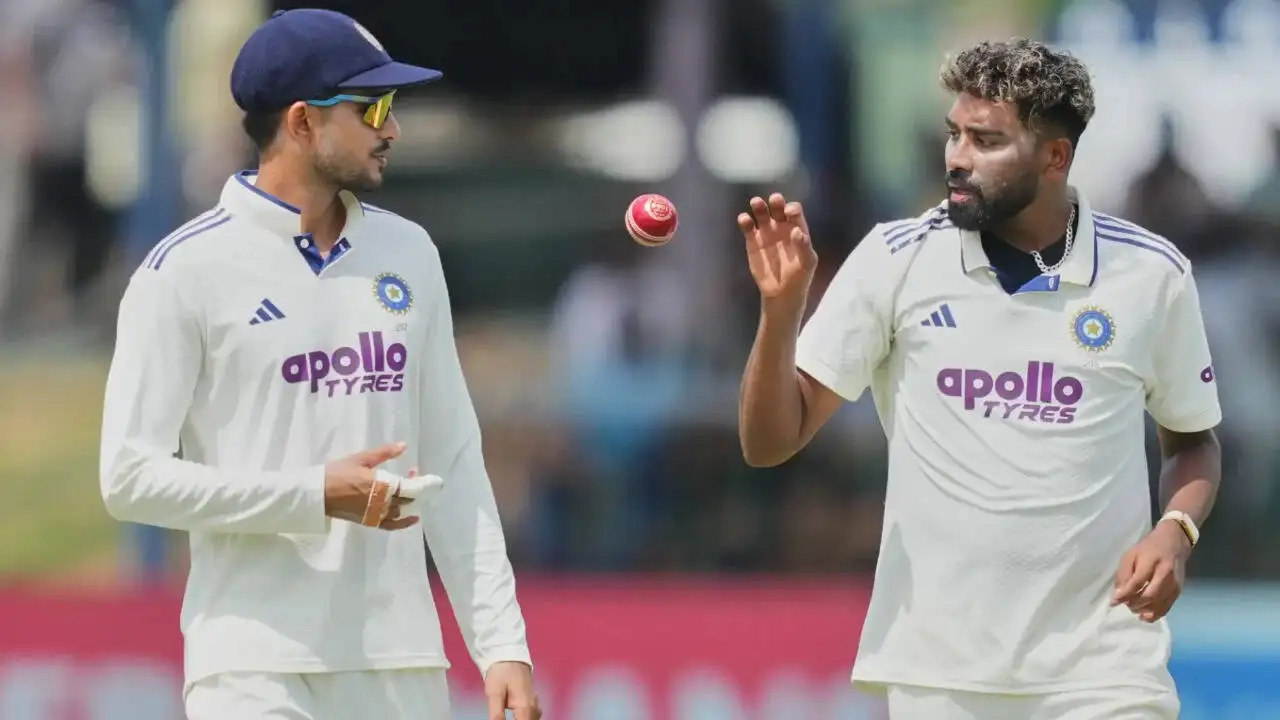
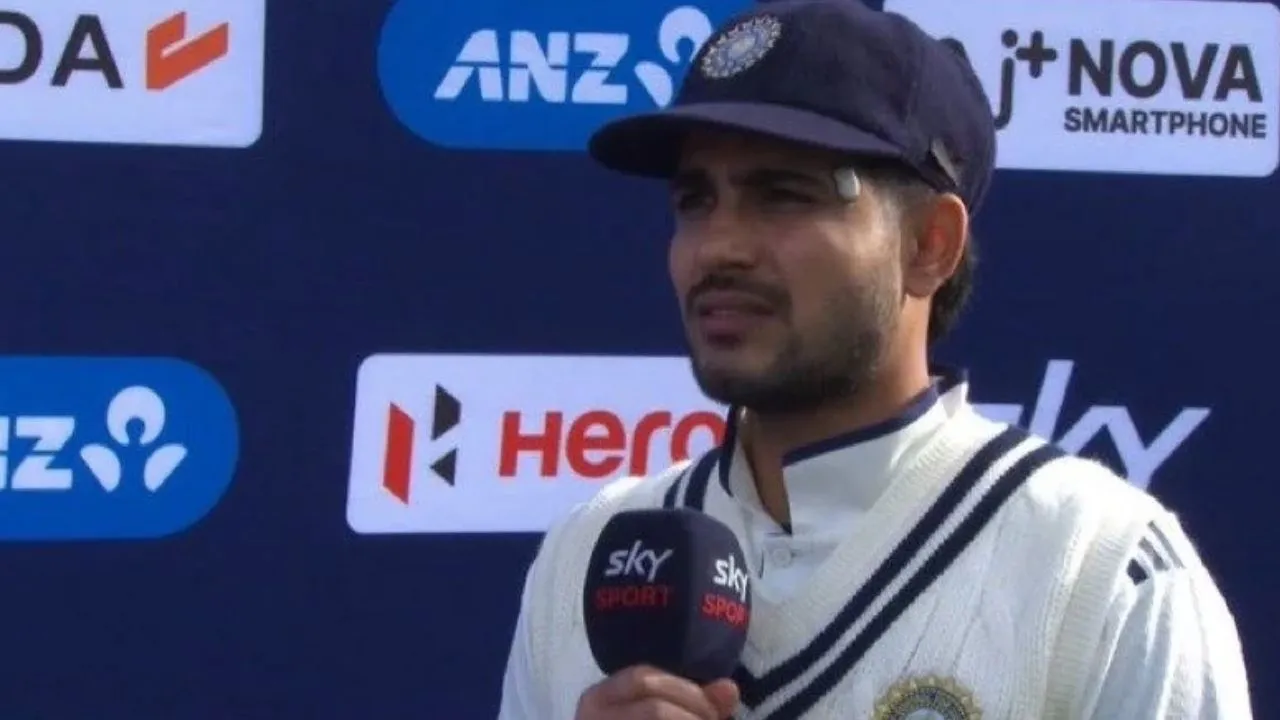
India and New Zealand’s opening Test at Wellington’s Basin Reserve finished in a draw, leaving both teams with a setback in the race to reach the ICC World Test Championship (WTC) 2025–27 final. India had hoped to secure a crucial victory, but New Zealand’s determined second-innings resistance prevented a result. After the match, India captain Shubman Gill voiced frustration over the ball’s condition and the continued ban on using saliva to shine it.
The result has complicated India’s qualification prediction. With only seven Tests remaining in the campaign and a substantial number of wins needed, every dropped opportunity could prove costly. New Zealand have nine matches still to play, giving them more time to recover ground. The teams are due to meet again in Christchurch on November 27, where the next Test will offer an immediate chance to reshape the series and their WTC prospects.
Shubman Gill Criticises the Ball’s Condition
Gill said the draw was disappointing, particularly because India had created opportunities to put New Zealand under pressure. He also raised concerns about the match ball, arguing that it became soft early in its use and did not consistently reward the fast bowlers. According to Gill, similar issues had been noticeable during India’s tour of England.
“The first ball got soft after 20–25 overs,” Gill said, as quoted by the Times of India. He suggested that a softer ball can make it harder for seamers to generate movement and carry, reducing the ways they can dismiss batters. In his view, when edges fail to travel and the ball loses its effectiveness, bowlers may be left relying mainly on dismissals such as bowled or leg before wicket.
Gill’s comments touch on a broader debate in Test cricket: how ball quality and condition affect the balance between bat and ball. A ball that loses hardness or shape can influence swing, seam movement and the likelihood of catches carrying to the slips. Those details matter especially in long matches, where teams depend on sustained pressure from their pace attack.
Renewed debate over the saliva ban
The India captain also questioned why players are still prohibited from using saliva to shine the ball. The restriction was introduced during the COVID-19 pandemic as a health precaution and was later made permanent by the International Cricket Council (ICC). Gill said he was unsure why the rule remained in place years after the pandemic began, particularly when players are seeking ways to help the ball retain its shine.
The saliva ban remains a point of discussion among players and supporters because shining one side of the ball has traditionally helped bowlers create swing. Teams can still use sweat, but conditions, humidity and the ball’s wear can affect how effective that method is. Gill’s remarks are likely to renew questions about whether the ICC should review the regulation, though any change would need to consider player safety and consistent application across international cricket.
Missed Chances May Have Changed the Result
Gill also reflected on India’s fielding and the moments when the team came close to breaking New Zealand’s resistance. He said India had two half-chances during a promising period, but neither turned into a breakthrough. In a match where the visitors needed wickets to force a result, those small moments carried significant weight.
“We were very good in the first session, looking to get into the tail. We got two half-chances and maybe it could have been different,” Gill said. He added that the team’s energy remained positive, even as the match moved towards a draw.
India had planned a team activity for the day after the match if they won. The plan was cancelled because the bowlers had already spent long periods in the field and needed time to recover. The decision reflects the physical demands of a Test in which India had to work hard for wickets but could not complete the job.
India’s Big First-Innings Total Was Not Enough
New Zealand’s first innings began in difficult circumstances. At 70 for five, the hosts appeared vulnerable, but Henry Nicholls and Glenn Phillips produced a substantial recovery. Nicholls scored 175, while Phillips added 118, helping New Zealand reach 368. Their partnership transformed the innings and ensured the home side remained competitive after its early collapse.
Jasprit Bumrah was among India’s key performers with the ball, taking four wickets in the first innings. His return to the attack offered India a major source of pace and control, but the lower-order resistance meant the visitors could not prevent New Zealand from posting a challenging total.
India responded with a huge score of 720 for nine declared. KL Rahul made 136, Yashasvi Jaiswal contributed 85 and Devdutt Padikkal scored 80. Gill came close to a century with 98, while Rishabh Pant added a powerful 128. The combined effort gave India a sizeable advantage and placed the team in a strong position to press for victory.
However, the match turned into a test of endurance rather than a straightforward chase for wickets. Despite trailing by 352 runs, New Zealand showed discipline in their second innings and lost only five wickets. Their resistance absorbed time, limited India’s chances and ultimately forced the visitors to settle for a draw.
What the Draw Means for the WTC Prediction
For India, the draw is damaging because the team had entered the match needing a strong run of results to remain on course for the WTC final. With seven Tests left at this stage of the campaign, the margin for error has narrowed. India’s qualification prediction will depend on winning a high proportion of its remaining matches and avoiding further dropped points.
New Zealand are not in a comfortable position either, but nine remaining Tests give them more opportunities to improve their standing. Their ability to recover from 70 for five in the first innings and then withstand India’s bowling in the second will provide confidence ahead of the next match.
The Christchurch Test on November 27 now takes on added importance. India will look to convert its batting strength into a result, while New Zealand will aim to build on the resilience that secured the draw. The first Test has shown that large totals alone may not be enough: sharp fielding, effective bowling conditions and timely breakthroughs could decide the series—and influence both teams’ path to the WTC final.