Wasim Jaffer Backs Rishabh Pant for an India ODI Comeback
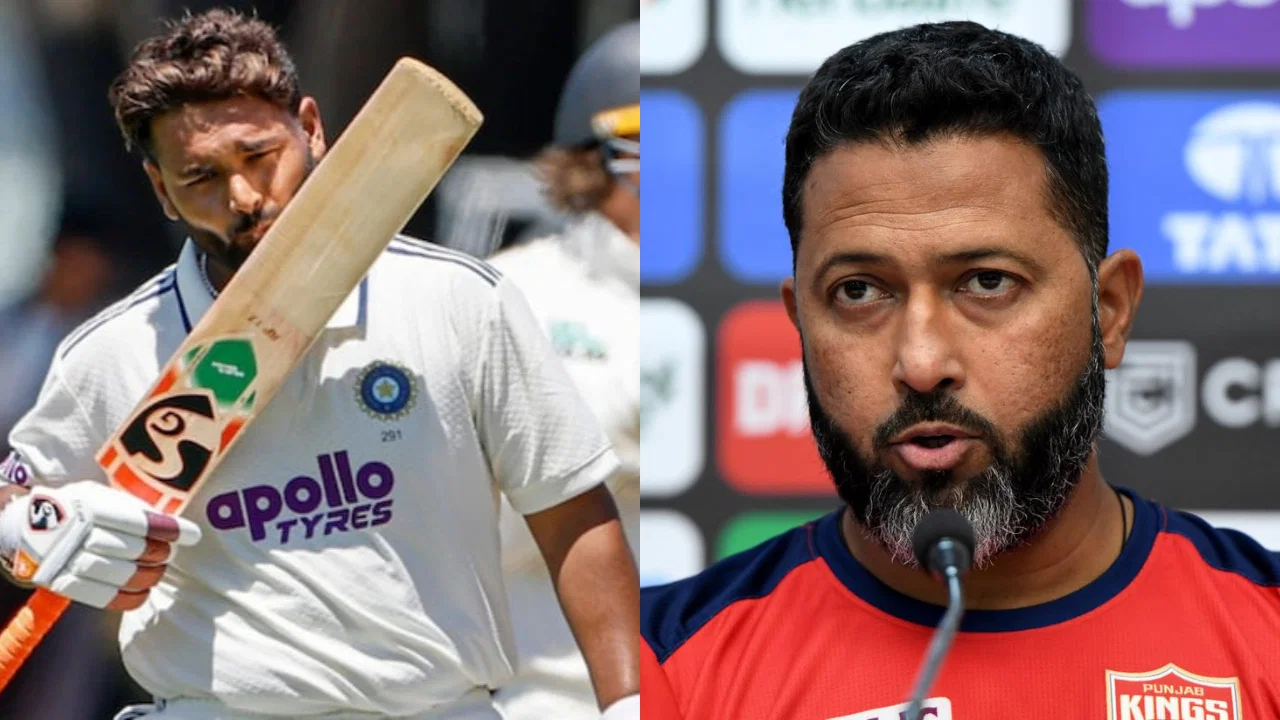
Rishabh Pant could still have a future in India’s white-ball teams, according to former India opener Wasim Jaffer. After the wicketkeeper-batter produced a commanding century in the ongoing Test series against New Zealand, Jaffer said Pant should remain in contention for ODI selection and could rediscover his limited-overs form.
Pant’s innings of 128 from 153 deliveries in the drawn first Test at Wellington’s Basin Reserve offered a timely reminder of his ability to change a match. While he remains an established member of India’s Test side, he has not featured for the national team in ODIs since August 2024 or in T20Is since July 2024. His latest performance has renewed discussion about whether he can translate his Test confidence into a white-ball return.
Jaffer’s prediction: Pant can return to the ODI setup
Speaking on his YouTube channel, Jaffer argued that a player with Pant’s range of skills should not be ruled out of limited-overs cricket. He suggested that Pant deserves to be part of the selection conversation, particularly in the 50-over format.
“A player like him should be there in white-ball cricket. He should be a topic of discussion. Even in ODIs, I think he’s someone who can come back,” Jaffer said. He also offered a prediction about Pant’s prospects, suggesting that supporters may see a different version of the batter if he is able to focus more fully on his own game.
That view reflects the value Pant can bring when he is at his best. He is a left-handed batter capable of changing the tempo quickly, and his wicketkeeping gives selectors another way to balance the team. His Test century against New Zealand demonstrated his capacity to build an innings while still finding opportunities to attack—qualities that can be useful in one-day cricket as well as the longer format.
Could stepping away from captaincy help?
Jaffer believes leadership responsibilities may have added to the pressure on Pant during his recent IPL campaigns. Pant joined Lucknow Super Giants after spending two seasons with Delhi Capitals, and the role placed him under scrutiny as both captain and one of the franchise’s leading batters.
The former opener also pointed to the attention surrounding Pant’s reported ₹27 crore IPL price tag. A high-profile signing can bring expectations that extend beyond personal statistics: supporters and team management look for the player to deliver with the bat while also guiding the franchise to results.
“I feel that captaincy has become a burden for him,” Jaffer said, adding that the pressure of a record-level price tag and the responsibility to help the team succeed may have affected Pant’s confidence. Jaffer’s suggestion is not that captaincy alone explains the batter’s output, but that juggling leadership and performance can make it harder to play with freedom.
Pant scored 269 runs in IPL 2025. In the following season, he made 312 runs across 13 innings at a strike rate of 138.05, while Lucknow finished at the bottom of the table with four wins from 14 matches. Those figures provide context for Jaffer’s comments, though they do not tell the whole story of Pant’s value or form. A change in role could give him more room to concentrate on batting, but any improvement would need to be demonstrated over time.
Pant’s white-ball record and the selection challenge
Pant’s international numbers show a clear difference between his success in Tests and his results in limited-overs cricket. Across 53 Tests, he has scored 3,853 runs at an average of 44.80 and a strike rate of 74.44, including nine centuries and 21 half-centuries.
In ODIs, he has made 871 runs in 31 matches at an average of 33.50 and a strike rate of 106.22. His last appearance in the format came in August 2024. In T20Is, Pant has scored 1,209 runs in 76 matches at an average of 23.25 and a strike rate of 127.26, with three half-centuries. His most recent T20I was in July 2024.
Those figures underline both his potential and the challenge he faces. Pant’s attacking instincts can be particularly effective when a team needs to accelerate, but ODI cricket also requires batters to manage the middle overs, rotate the strike and build partnerships against fields spread across the boundary. His ability to adapt between those phases may be central to any comeback bid.
Competition for India’s wicketkeeper-batter spots
A return will not be straightforward. India have several wicketkeeper-batters competing for places, including KL Rahul, Sanju Samson and Ishan Kishan. Each offers selectors a different combination of batting position, experience and role flexibility. Pant’s case will therefore depend not only on his reputation or Test form, but also on how consistently he performs in domestic and franchise cricket and how well his skills fit the team’s plans.
His move back to Delhi Capitals after a two-year stint with Lucknow Super Giants gives his next IPL campaign added interest. If he is not carrying the same captaincy responsibilities, observers will be watching to see whether he appears more settled at the crease and produces sustained contributions rather than isolated bursts. Strong performances would strengthen the argument Jaffer has made, although selection will ultimately rest with India’s team management.
A Test century, but a white-ball case still to build
Pant’s Wellington hundred has reopened the conversation, but it does not guarantee an immediate return to India’s ODI or T20I squads. Test cricket and white-ball cricket place different demands on a batter, and the competition for places remains intense. Still, his recent innings serves as a reminder that he has the temperament and shot-making ability to influence games at the highest level.
Jaffer’s prediction is ultimately that Pant should not be written off. If the wicketkeeper-batter can regain consistency, manage the expectations around him and show that he can thrive without the added weight of captaincy, he may yet make a strong case for another opportunity in India’s ODI setup.