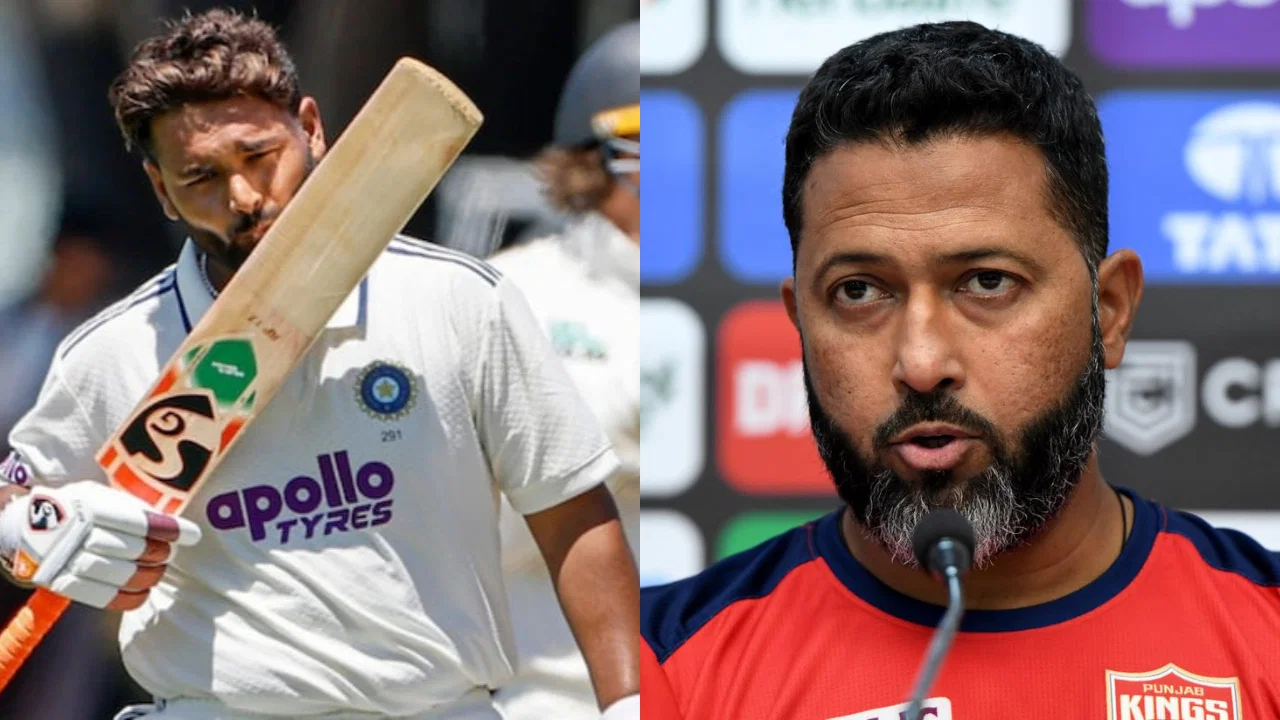
Subramaniam Badrinath Questions India’s Decision to Leave Ravindra Jadeja Out
Former India batter Subramaniam Badrinath has questioned the team management’s decision to select Washington Sundar ahead of Ravindra Jadeja for the Wellington Test against New Zealand. The match ended in a draw after India were unable to dismiss the opposition on the final day, prompting renewed debate about the team’s selection and whether its combination gave the bowlers the best chance to secure a result.
Jadeja’s omission became a major talking point among former players and cricket analysts, particularly because the experienced all-rounder is valued for his contributions with both bat and ball. Badrinath said he had no criticism of Sundar’s individual performance, but argued that selection should be based primarily on a player’s overall ability rather than the number of left-handed batters in the opposing lineup.
Badrinath challenges the logic behind the selection
Speaking on his YouTube channel, Cric it with Badri, Badrinath said he was surprised that several experienced players had been left out. He suggested the team may have preferred Sundar because New Zealand had multiple left-handed batters, but questioned whether that consideration should outweigh Jadeja’s proven all-round record.
“I am surprised at so many experienced players being dropped. Washington Sundar was fine, but Jadeja is better than him with bat and ball,” Badrinath said. He added that a bowler’s individual strengths should be the first consideration, rather than selecting someone mainly to match the opposition’s batting composition.
The debate is not simply about one player being better than another in every situation. Sundar offers control, accuracy and the ability to contribute useful runs, while Jadeja brings extensive Test experience, a reliable batting record and a reputation for creating pressure with his left-arm spin. Badrinath’s point was that, in a match where India needed to take 10 wickets, Jadeja’s broader skill set could have been especially valuable.
Could Jadeja have changed the final day?
India had posted a substantial first-innings total of 720, giving the team a strong platform to push for victory. However, the match ultimately ended without India bowling New Zealand out. Badrinath argued that Jadeja might have offered an additional attacking option on the final day, when India needed wickets rather than simply restricting the scoring rate.
“Sundar didn’t do anything wrong, but you have to win the Test match. Jadeja could have been the difference,” Badrinath said. He pointed to Jadeja’s ability to bowl long spells, vary his pace and make use of helpful conditions as qualities that might have strengthened India’s attempt to force a result.
That remains a prediction rather than a certainty: no one can know whether Jadeja would have taken the wickets India needed. A bowler’s impact depends on the pitch, the match situation, the field settings and the batters’ approach. Still, Badrinath’s criticism reflects a wider question for the management: when a Test is moving toward a result, should the team prioritise its most experienced wicket-taking options?
Jadeja’s record adds weight to the discussion
Jadeja’s recent Test performances have helped explain why his absence attracted attention. In the away series against Sri Lanka referenced in the original report, he took four wickets in each of the two matches on turning pitches in Galle and Colombo. He also scored 43 runs in the second Test, underlining the value he can provide lower down the order. India won the series 1-0 with Jadeja in the playing XI.
His record against New Zealand is another part of the selection conversation. Across 11 Tests and 22 innings between 2014 and 2024, Jadeja claimed 41 wickets, including three five-wicket hauls and one 10-wicket match performance. Those figures point to a bowler who has repeatedly been able to trouble New Zealand’s batters over a sustained period.
His numbers in New Zealand itself are more modest: he has taken five wickets in three Tests and six innings, with a best innings return of 2/22. Conditions in New Zealand can be challenging for spin bowlers, particularly when pitches offer pace and movement rather than sharp turn. Even so, Jadeja’s overall record against the team gives selectors a substantial body of evidence to consider.
Selection is about balance, not just match-ups
Choosing a Test XI involves balancing several demands: bowling depth, batting resilience, pitch conditions and the specific strengths of the opposition. A left-arm spinner may offer a different angle and matchup against right- or left-handed batters, while a second spinner can help maintain pressure across long sessions. But a tactical selection only works if it also fits the match’s broader requirements.
That is why the Jadeja-Sundar discussion has continued beyond the Wellington Test. It raises questions about how India assess experience, recent form and specialist skills when building a team. Sundar’s selection may have been intended to address the opposition’s batting lineup, but Badrinath believes the decision should also have accounted for Jadeja’s superior all-round credentials and his ability to influence a Test in multiple ways.
Jadeja had recently appeared for India A in Lincoln against New Zealand A, scoring 25 runs but not getting an opportunity to bowl. That outing offered limited evidence about his current bowling form, making his broader Test record and match fitness more relevant to the debate.
What the controversy means for India’s next selection
The Wellington draw has made team selection a central part of the post-match analysis, but it does not prove that one omission alone determined the result. India’s inability to take the final wickets could have involved several factors, including the pitch, New Zealand’s defensive approach and the effectiveness of the bowling plans. Still, Badrinath’s comments highlight how quickly a selection decision can come under scrutiny when a team falls short of a win.
For India’s management, the challenge is to identify the combination that gives the side the best chance of taking 20 wickets while remaining deep enough in batting. Jadeja’s experience and all-round ability make him a compelling option, while Sundar remains a capable player with his own strengths. The next selection will show whether the team views the Wellington decision as a one-off tactical choice or whether it intends to continue prioritising matchup-based combinations.