Shubman Gill Rises to Second Among Asian Test Captains After 19 Innings
India captain Shubman Gill has added another landmark to his rapidly developing Test career, becoming the second-highest run-scorer among Asian captains during their first 19 innings in charge. His latest milestone underlines the remarkable productivity of his captaincy era, during which he has combined responsibility at the top of the team with a run of major individual performances.
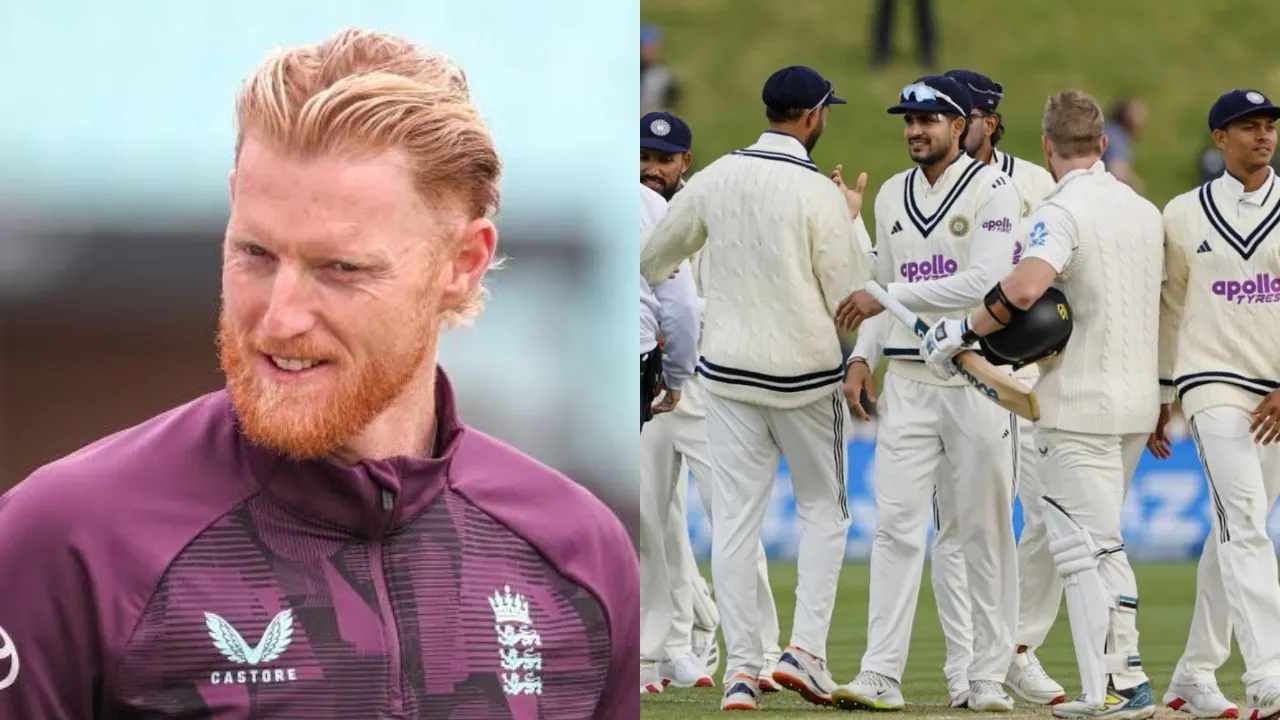
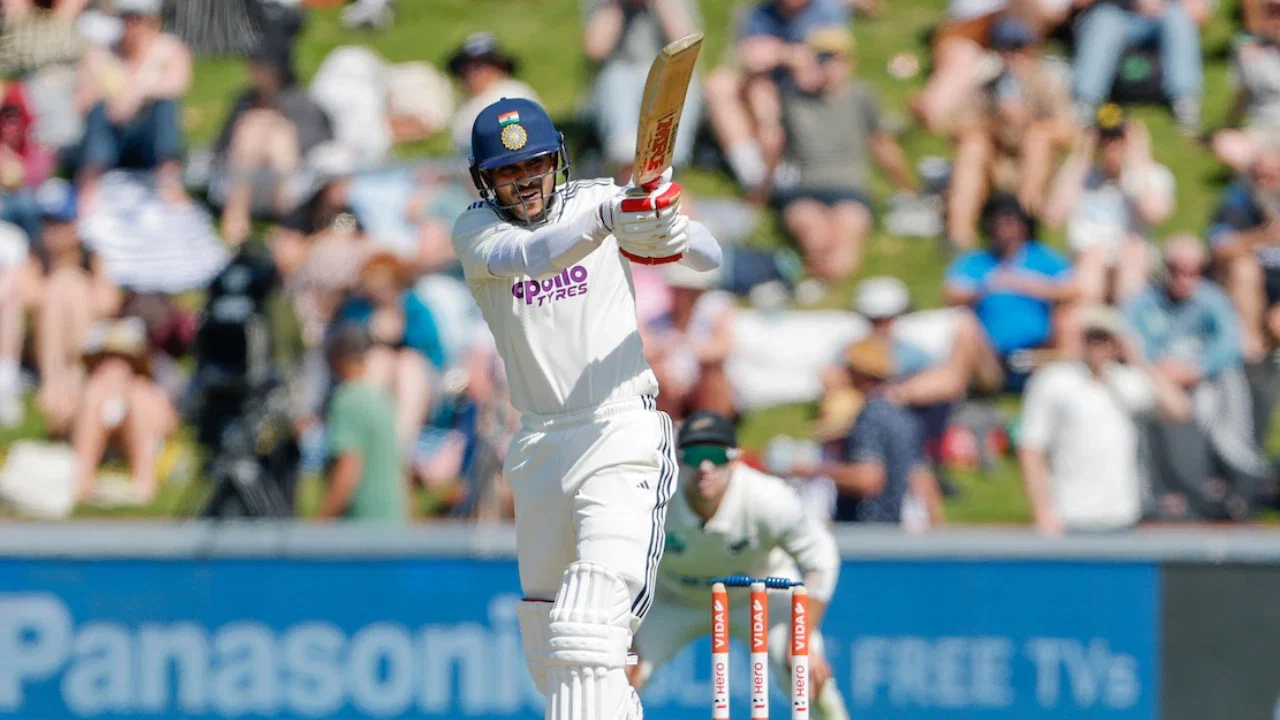
Gill reached the mark during the first Test against New Zealand at Wellington’s Basin Reserve. He scored 98 from 146 deliveries before India declared their first innings at 720 for nine, narrowly missing a seventh century as captain. The match ended in a draw after New Zealand, bowled out for 368 in their first innings, closed their second innings at 239 for five.
Gill’s Record-Breaking Start as India Captain
Since taking charge of India’s senior Test side in June 2025, Gill has scored 1,248 runs in 19 innings at an average of 73.41. His tally includes six centuries and three half-centuries, with a career-best 269 against England at Edgbaston. That sustained output has placed him behind only Sunil Gavaskar among Asian captains at the same stage of their leadership careers.
The comparison highlights the scale of Gill’s start. Virat Kohli made 1,140 runs in his first 19 innings as India’s Test captain, while MS Dhoni scored 1,039 and Mohammad Azharuddin made 944. Gill’s total has also moved him past several prominent international captains, including Kumar Sangakkara and Ted Dexter, in the relevant early-captaincy rankings.
These figures are more than a statistical curiosity. A captain’s first months in the role often bring added scrutiny, tactical demands and media attention. Gill’s ability to maintain a high average while leading the side suggests that the responsibility has so far complemented, rather than disrupted, his batting.
From Promising Batter to Prolific Leader
Before becoming captain, Gill had scored 1,893 runs in 59 Test innings at an average of 35.05. That record included five centuries and seven half-centuries, with 128 as his highest score at the time. His output since taking over has therefore represented a marked increase in both consistency and conversion, with six hundreds arriving in just 19 innings.
The most striking example came in England, where Gill announced his captaincy with a 754-run series in five Tests. He began with scores of 147 and eight at Headingley, then delivered a performance for the ages at Edgbaston. India won that match by 336 runs, and Gill played a central role with 269 in the first innings and 161 from only 162 balls in the second.
That double-century-and-century combination placed Gill in rare company. He became only the second Indian, after Sunil Gavaskar, to score a double hundred and a century in the same Test. His first-innings 269 also surpassed Virat Kohli’s 254 not out to become the highest individual score by an Indian Test captain.
Strong Returns Across Different Conditions
Gill’s performances have not been limited to English conditions. He has continued to produce important contributions across the subcontinent, including 396 runs over five Tests in India and Sri Lanka. Those matches have offered a different test of his game, with slower pitches, spin-friendly surfaces and changing demands on footwork and shot selection.
Against the West Indies in Ahmedabad, Gill scored 50 before adding an unbeaten 129 and 13 in Delhi. He also responded strongly after a quiet outing against South Africa in Kolkata, making 126 against Afghanistan in Mullanpur. In Sri Lanka, he scored 16 and eight in India’s win at Galle, followed by 50 in the drawn Test in Colombo.
The sequence illustrates an important feature of Gill’s captaincy record: it has included both commanding highs and more modest returns. Even elite batters experience lean innings, but his ability to rebound with a substantial score has helped sustain his impressive average. His 98 against New Zealand fits that pattern—an innings that fell short of a century but still contributed to India’s imposing total.
What the Wellington Draw Means for India
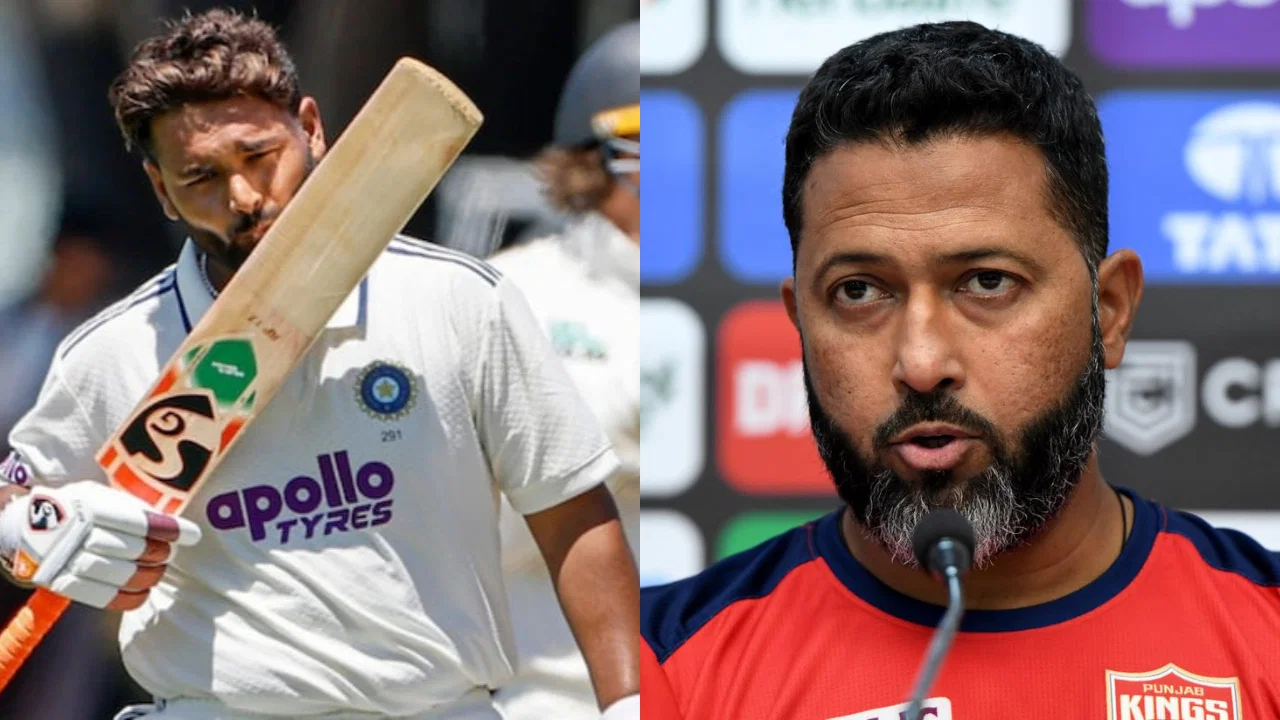
India’s declaration at 720 for nine was built around major contributions from Rishabh Pant and KL Rahul, who scored 128 and 136 respectively. Gill’s near-century added further stability to an innings that placed New Zealand under considerable pressure. The hosts’ second-innings resistance ultimately prevented an Indian victory, but the draw did little to diminish the captain’s personal achievement.
For India, the match also offered a reminder that a large first-innings score does not guarantee a result. Test cricket can turn on the weather, the condition of the pitch and the opposition’s ability to bat through difficult periods. New Zealand’s 239 for five in the final innings showed enough resilience to secure a draw, while India’s substantial total demonstrated the batting depth available to Gill.
Prediction: Can Gill Challenge Gavaskar’s Mark?
Gill’s current pace makes him a compelling figure in any discussion of India’s next generation of Test leaders. If he continues to score at anything close to his present average, he will have a realistic opportunity to close the gap on Gavaskar’s benchmark among Asian captains. However, such a prediction should be treated with caution: captaincy records develop over many years, and form, fitness, opposition quality and playing conditions can all reshape the numbers.
For now, the more immediate takeaway is that Gill has made an exceptional start. His 1,248 runs in 19 innings, six centuries and record-breaking Edgbaston performance have established him among the most productive new Test captains in the region. The Wellington milestone adds another chapter to that story—and places greater attention on how he balances leadership with the batting form that has made him one of India’s central figures.