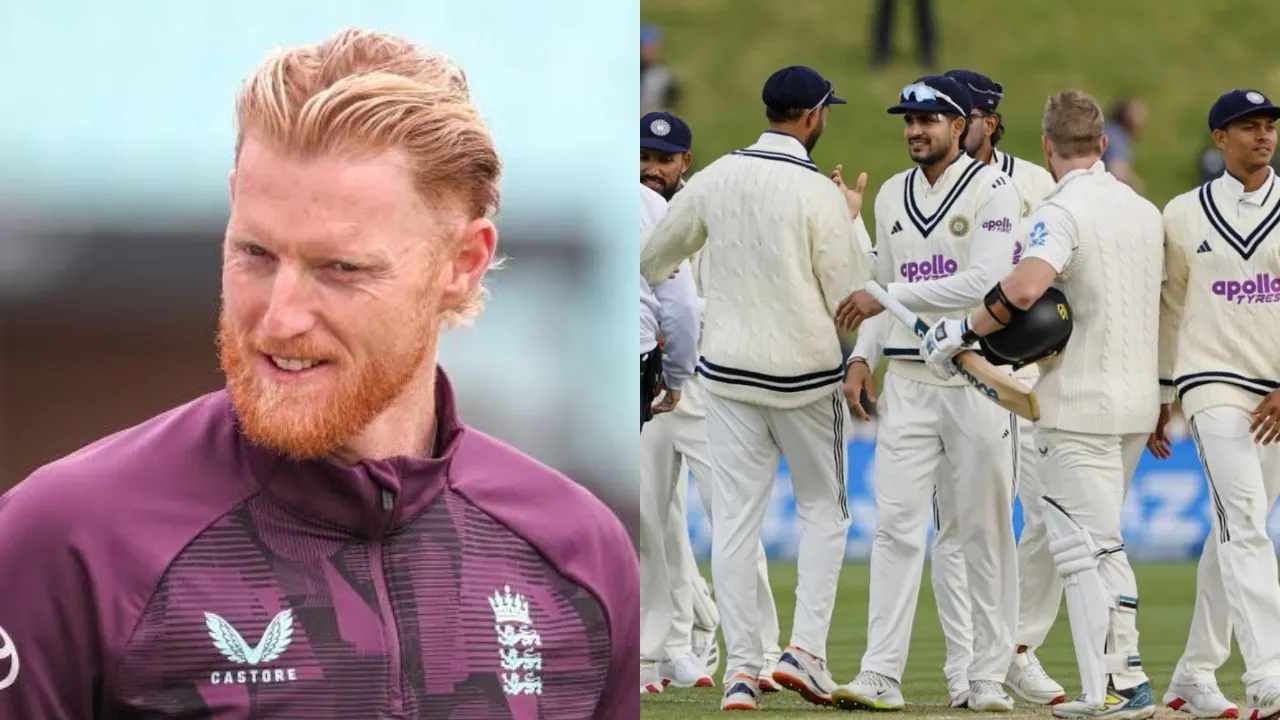
Ben Stokes Takes Aim at Shubman Gill After India–New Zealand Test Ends in a Draw
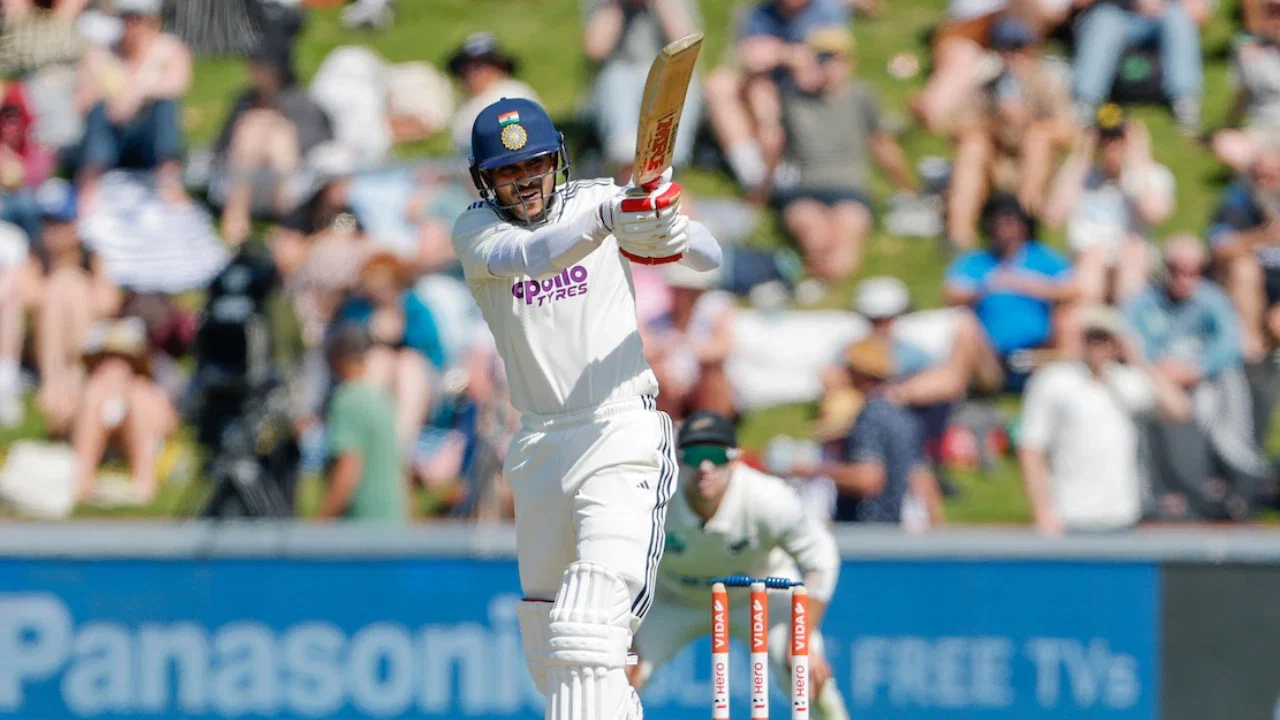
India and New Zealand played out a draw in the first Test at Wellington’s Basin Reserve, but the result was followed by a debate over how the match ended. With 15 overs still scheduled on the final day, India captain Shubman Gill and New Zealand skipper Tim Southee agreed to shake hands, bringing the contest to a close.
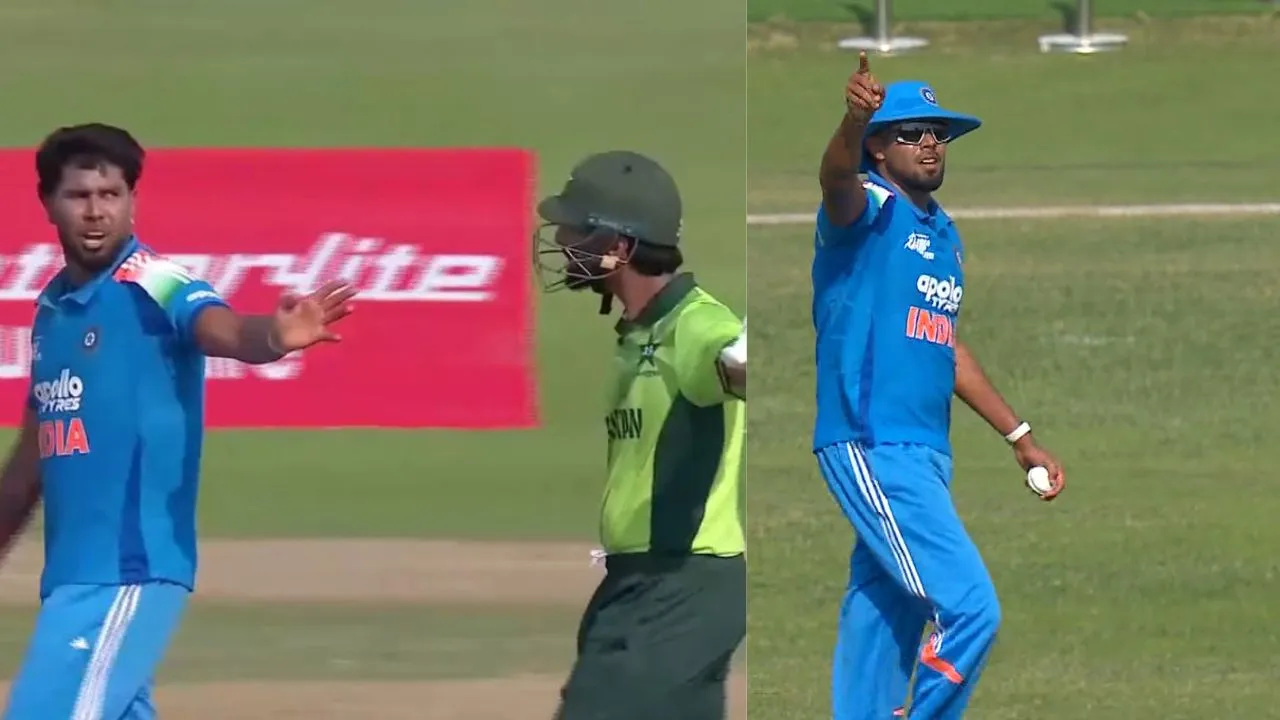
Former England captain Ben Stokes appeared to criticise Gill’s decision in a post on social media. Rather than making a direct statement, Stokes shared an image that recalled a similar moment from England’s 2025 Test series against India. His post quickly drew attention, particularly because the earlier incident involved Stokes himself.
The exchange has added an unusual subplot to the build-up to the second Test, which is due to begin on November 27. It has also intensified discussion about player workload, sporting etiquette and whether teams should continue competing when a match is unlikely to produce a result.
Why the Early Handshake Became Controversial
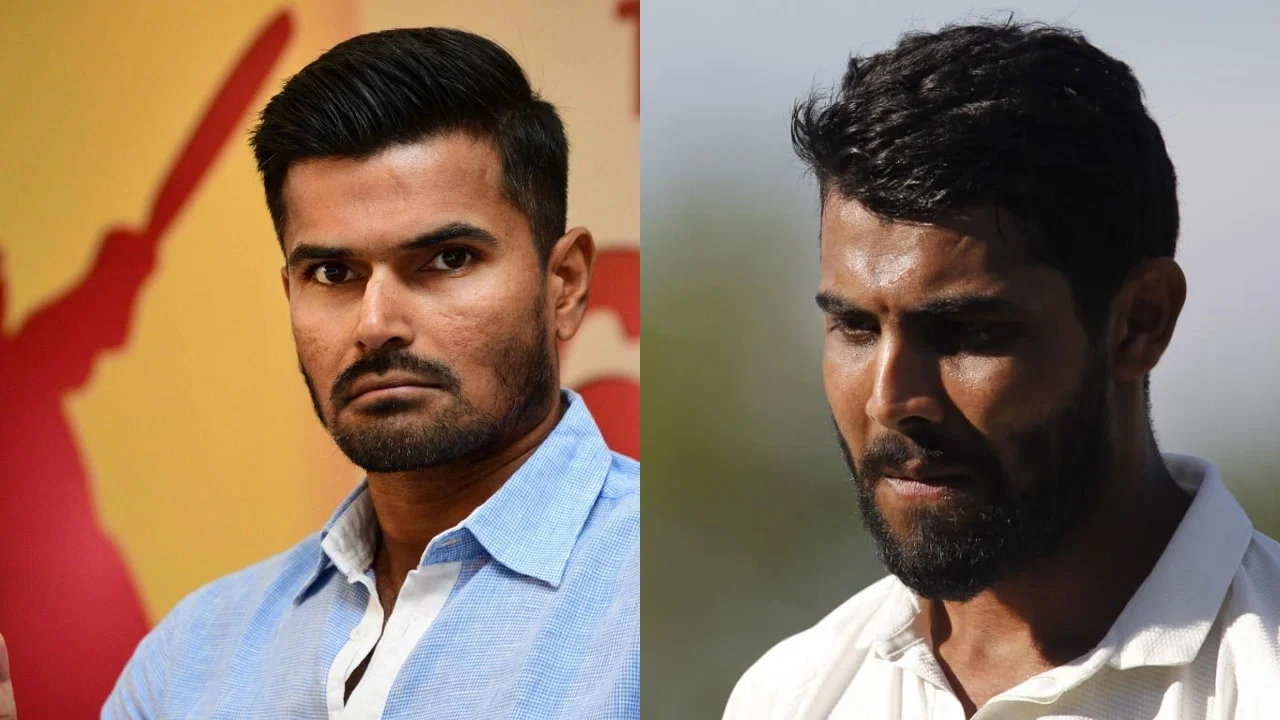
Gill’s decision came with 15 overs remaining, the same number of overs left when Stokes proposed an early finish during the fourth Test between England and India at Old Trafford in 2025. On that occasion, India’s Ravindra Jadeja and Washington Sundar declined to end the match because both were approaching centuries.
Jadeja was batting on 89 and Sundar on 80 when the early-draw proposal was discussed. India were 386 for four, and the pair continued their innings, eventually reaching their hundreds as India finished on 425 for four. The match was drawn, but the decision to keep batting prompted tense exchanges in the middle.
Stokes’ apparent swipe at Gill therefore struck many observers as a reference to that earlier episode. The circumstances were not identical, but the comparison was hard to miss: in both cases, there were 15 overs left, and concerns about the value of continuing played a part in the conversation.
Player workload and the second Test
India’s bowlers had spent long periods in the field, and the next Test was only days away. Ending the match early may have been intended to protect players from unnecessary exertion and help them recover before the next assignment. That consideration can be especially important in a demanding Test schedule, where fatigue may affect performance and increase injury risk.
English broadcaster Piers Morgan also criticised Gill’s call, describing it as “absolutely pathetic.” His comments reflected the broader reaction among some English observers, although the criticism also revived memories of England’s own early-draw proposal the previous year.
The episode highlights a familiar tension in Test cricket. Players are expected to compete until the final possible moment, but captains must also weigh the realistic chance of a result against the physical cost of continuing. When a match is heading towards a draw, an early handshake can be viewed either as sensible workload management or as an unsatisfying end to a contest.
India’s Dominance in the First Innings Was Not Enough
The draw was particularly frustrating for India because they had enjoyed periods of control. After choosing to bowl, the visitors reduced New Zealand to 70 for five, putting themselves in a strong position to restrict the home side to a modest total.
New Zealand recovered through a substantial partnership led by Henry Nicholls and Glenn Phillips. Nicholls remained unbeaten on 175, while Phillips made 118, helping the hosts reach 368 in their first innings. Jasprit Bumrah led India’s attack with four wickets, but the lower-order resistance transformed the innings and gave New Zealand a competitive platform.
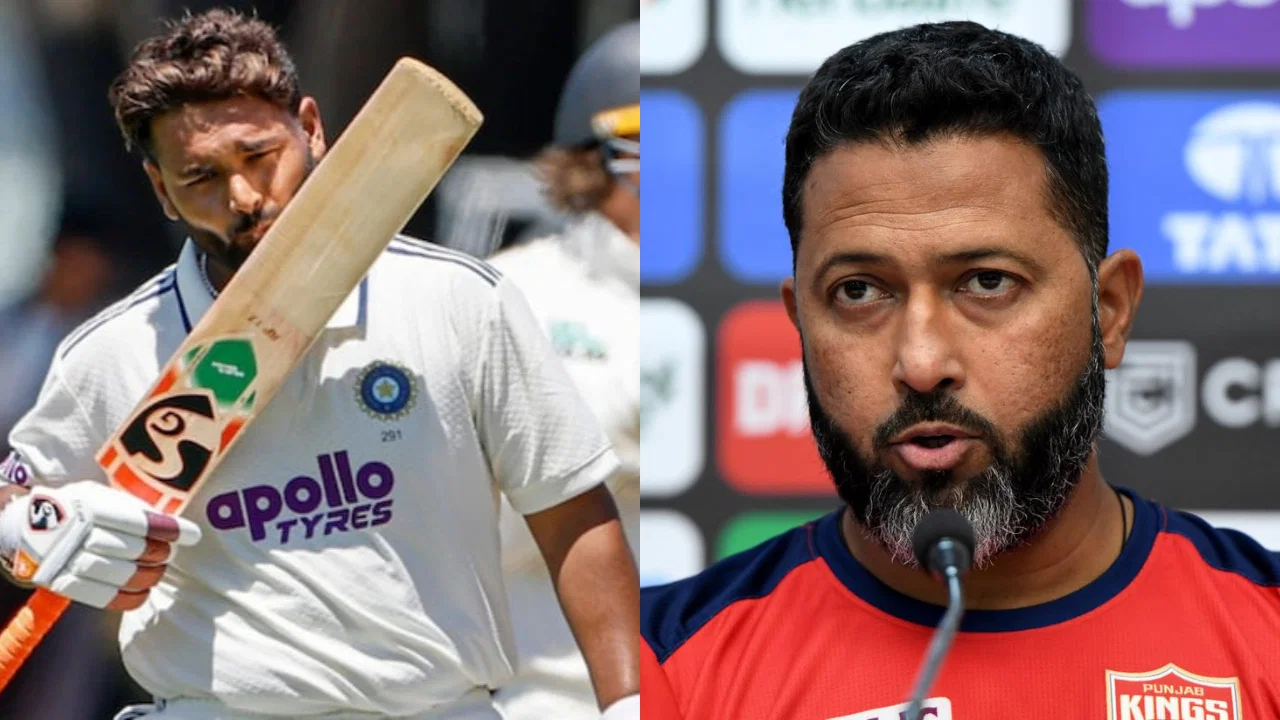
India responded with a remarkable batting display. Their top seven batters all passed 50 in the same innings for the first time in the team’s Test history, underlining the depth and consistency of the performance. KL Rahul scored 136, while Rishabh Pant added 128, as India piled up 720 for nine before declaring.
The huge total gave India a substantial first-innings advantage, but the remaining time was limited. New Zealand’s second innings and the weather and pace of play left India unable to force a result before the final day reached its conclusion. India took five second-innings wickets, but the teams ultimately agreed to call the match a draw.
What the Result Means for India’s WTC Final Hopes
The stalemate has made India’s route to the ICC World Test Championship final more difficult. According to the scenario outlined ahead of the next match, India now need to win all six of their remaining Tests to keep their qualification hopes on track. That makes the upcoming meeting with New Zealand especially significant, followed by a five-Test series against Australia.
India will need to turn their first-innings batting strength into match-winning performances. The Wellington innings showed that the team can build a commanding total, but the draw also demonstrated how quickly a strong position can lose value when time runs short. Taking wickets earlier in an opponent’s innings—or managing the match tempo more aggressively—could be crucial in the remaining fixtures.
Prediction: pressure shifts to the second Test
The second Test is likely to carry added urgency for both teams. India will be keen to respond to the missed opportunity, while New Zealand can take confidence from their recovery after slipping to 70 for five. If India’s top order maintains its form and the bowlers strike early, the visitors will have a strong chance of levelling the series. However, New Zealand’s resilience in the first Test suggests they will be difficult to dismiss quickly.
Beyond the result, the handshake debate is likely to continue as a talking point. Stokes’ post has turned a routine end to a drawn match into a wider discussion about consistency and sportsmanship. For India, the priority will be to put the controversy aside, manage their players’ recovery and focus on a second Test that could have a major impact on their World Test Championship campaign.