Harshit Rana in Focus After Pakistan A Complaint Following Rising Stars Asia Cup Clash
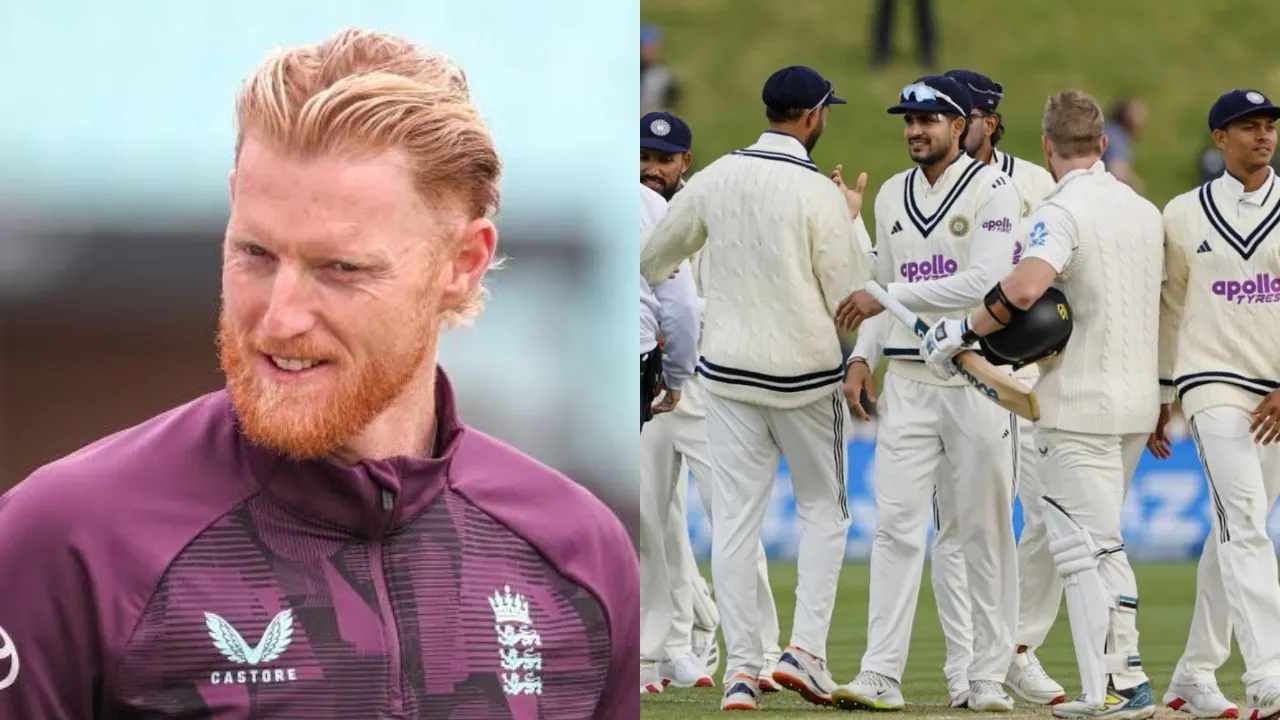
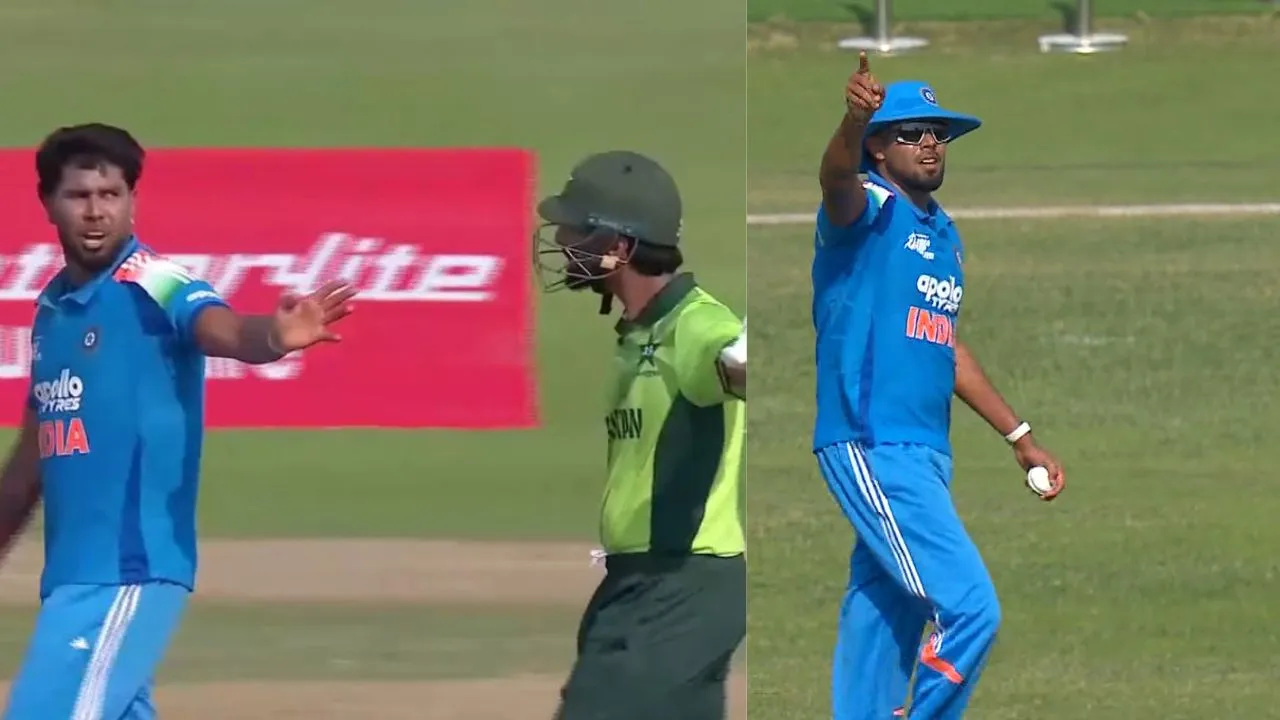
India A fast bowler Harshit Rana has come under scrutiny after a tense encounter with Pakistan A in the Rising Stars Asia Cup 2026. The match, played on Sunday, November 22, featured repeated verbal exchanges, sharp sledging and several moments when officials had to intervene. The controversy has continued beyond the final ball, with Pakistan A reportedly lodging a complaint about the conduct of Rana and other Indian players.
The reported complaint adds another layer to an already heated contest between the two sides. While competitive intensity is common in high-stakes cricket, players are expected to stay within the boundaries set by tournament regulations. Any decision on possible disciplinary action will depend on the match officials’ assessment of what happened and whether the conduct breached the applicable code.
How the India A-Pakistan A Tension Escalated
Rana was involved in several exchanges with Pakistan A’s batters during the innings. The fast bowler first faced openers Shamyl Hussain and Maaz Sadaqat, who built a brisk 66-run partnership and struck a number of boundaries. Their positive start put pressure on India A’s attack, and the contest between the batters and Rana soon became increasingly animated.
After dismissing number-three batter Rohail Nazir, Rana appeared to celebrate emphatically and continued to engage with Pakistan’s players. Verbal exchanges followed, with members of both teams responding. On more than one occasion, the umpires stepped in to calm the situation and keep the match moving.
Rana completed his 10-over spell with figures of two wickets for 77 runs. The numbers reflected a difficult outing with the ball, despite his success in taking two wickets. In a fast-paced match, the combination of an expensive spell, aggressive batting and visible frustration can make tempers more difficult to manage.
Pakistan A reportedly takes the matter to the match referee
A report by Samaa said Pakistan A submitted a complaint to match referee Naeem-ur-Rashid. The precise grounds for the complaint have not been made clear in the available reports, and no ruling or sanction should be assumed unless tournament officials confirm one.
The Asian Cricket Council’s tournaments generally operate under playing conditions and disciplinary standards aligned with those used in international cricket. Officials can review incidents involving language, gestures, celebrations or confrontational behaviour. The match referee may consider the context, the conduct of everyone involved and any available evidence before deciding whether further action is warranted.
Where cricket draws the line on sledging
Sledging has long been part of cricket’s competitive culture, but it is not a licence for personal abuse or threatening behaviour. The distinction often depends on the words or actions used, their intended effect and whether they cross the standards laid out in the code of conduct. A forceful celebration or verbal exchange may attract attention without automatically resulting in a charge; more serious or repeated conduct can carry consequences.
That balance is especially relevant in matches between India and Pakistan, where the rivalry can draw intense attention from supporters and media. Players are expected to compete fiercely while remaining composed enough to avoid turning a sporting contest into a disciplinary issue. For a young fast bowler such as Rana, learning to channel aggression could be as important as developing his pace, accuracy and tactical variations.
There is also a team dimension. A bowler’s energy can lift teammates and unsettle a batter, but prolonged confrontations may distract from the immediate task: controlling the run rate, building pressure and taking wickets. If an incident leads to a warning or sanction, the consequences can extend beyond the individual and affect the team’s plans.
Rana dismissed cheaply as Pakistan A respond
The tension continued during India A’s chase. Rana came in at number 10 but lasted only two balls before being dismissed for a duck. Pakistan A’s players gave him a loud send-off, turning the exchange of words from the first innings into a visible feature of the closing stages.
That response underlined how quickly the mood had shifted from individual contests to a broader exchange between the teams. In close matches, such moments can energise players and spectators, but they can also increase the risk of further confrontation. The umpires’ role in managing those situations is therefore central to ensuring the game remains competitive without becoming disorderly.
India A seek a response against the UAE
India A’s attention soon turned to a crucial Rising Stars Asia Cup fixture against the United Arab Emirates in Doha on November 24. After a 48-run defeat to Pakistan A, India needed a strong result to keep its semi-final hopes on track. UAE captain Basil Hameed won the toss and chose to bat first, giving India’s bowlers an immediate opportunity to set the tone.
Rana made an early impact by removing UAE opener Aryansh Sharma for two runs from four deliveries. Sharma edged a length ball outside off stump, and wicketkeeper Kumar Kushagra completed a diving catch to his right. The early breakthrough offered India A the kind of start it needed in a match carrying significant tournament consequences.
For Rana, the UAE game also provided a chance to refocus on his cricket amid the attention surrounding the Pakistan A complaint. A quick wicket can help restore confidence, but consistency and control across the spell remain essential, particularly when the team is under pressure to win.
What happens next?
The complaint’s outcome will depend on the match referee’s review, and the details of the alleged conduct have not been fully disclosed. Until officials provide further information, the situation remains a reported disciplinary matter rather than a confirmed finding against Rana or any other player.
The episode offers a reminder that modern cricket rewards intensity but demands restraint. Rana’s aggression is part of his fast-bowling identity, yet managing that emotion will be important as he gains experience at higher levels. For India A, the immediate priority is to convert individual performances into results and stay in contention for the semi-finals. Any prediction about possible sanctions or the team’s tournament prospects should therefore be treated cautiously until official decisions and match outcomes are known.