Tilak Varma Details His Growth as India’s T20I Vice-Captain
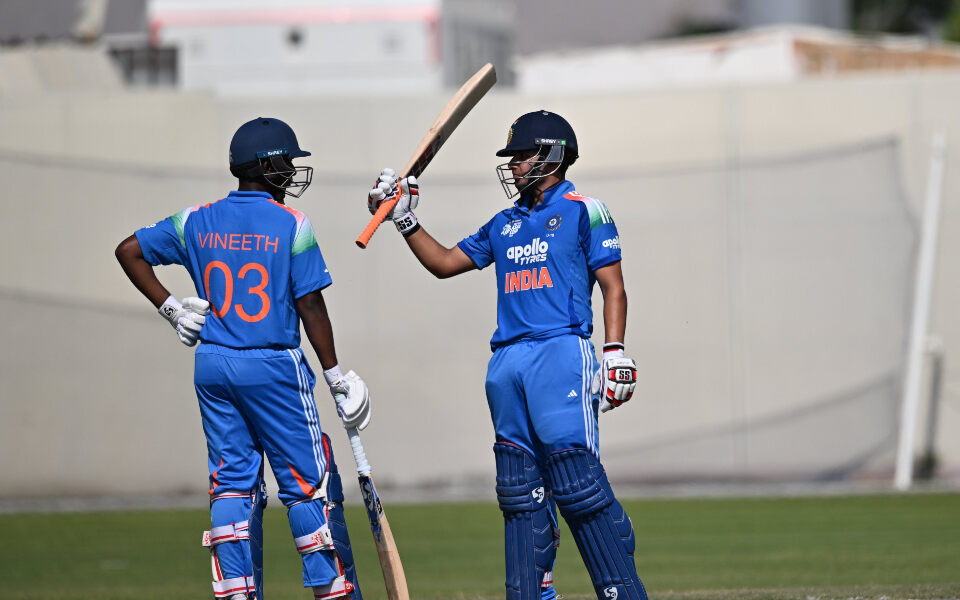
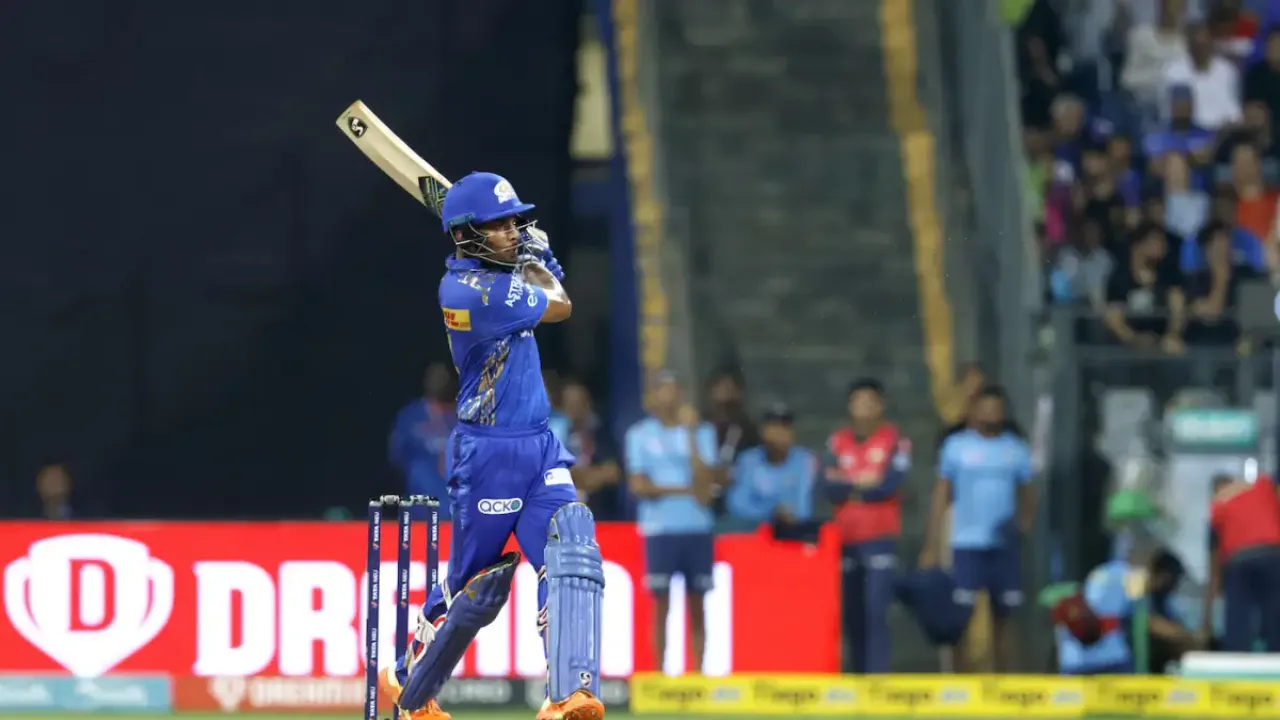
India’s T20I leadership group is taking shape under captain Shreyas Iyer, with vice-captain Tilak Varma describing how his experience across domestic and representative cricket has prepared him for a bigger role. The 23-year-old says leadership is not entirely new to him: he has captained his state side in multiple formats and led India A teams in different competitions.
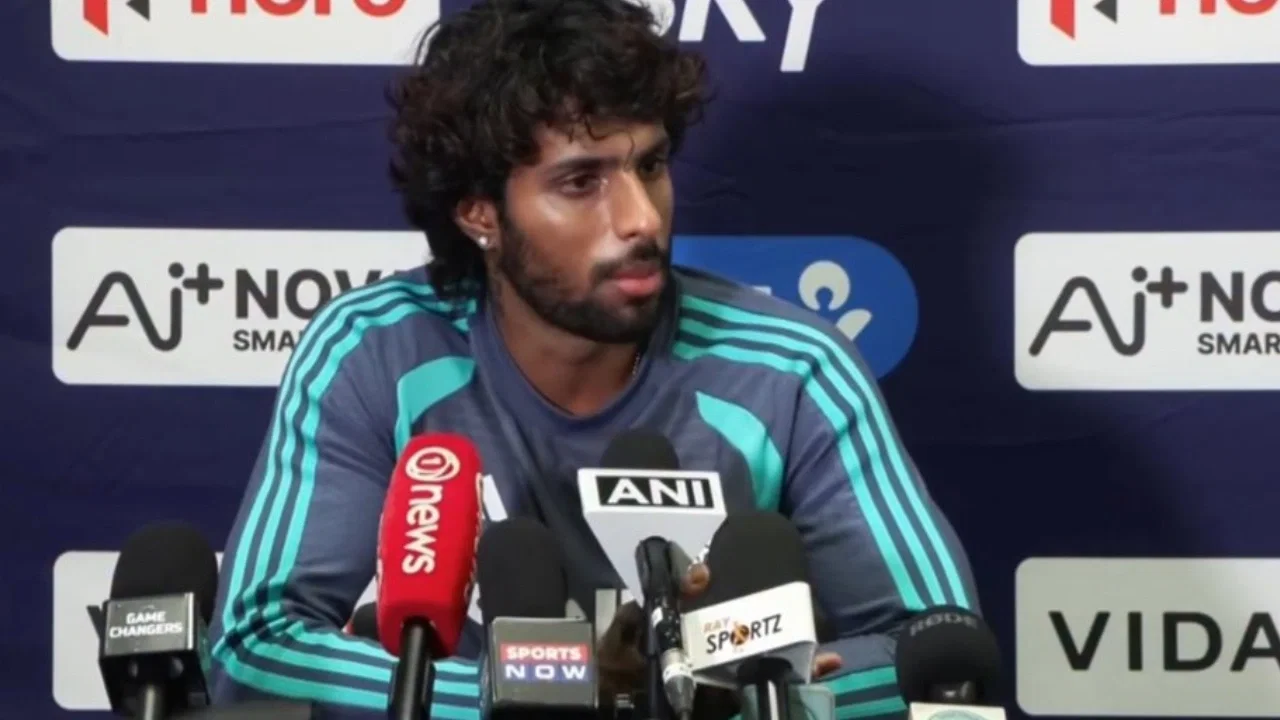
Varma spoke to reporters ahead of the fourth T20I against New Zealand in Auckland, explaining how he contributes to decisions on the field and communicates with Iyer. His comments offer a closer look at the partnership behind India’s leadership setup—and at how the young batter is developing beyond his reputation as an aggressive middle-order player.
From middle-order batter to vice-captain
The BCCI appointed Varma as India’s T20I vice-captain following the 2026 T20 World Cup, with Iyer taking over as captain from Suryakumar Yadav. Iyer was already widely regarded as an experienced leader, while Varma was best known to many fans for his attacking batting. That contrast prompted questions about how the young player would adapt to the responsibilities of a senior role.
Varma’s explanation is that his appointment builds on years of leadership opportunities rather than marking his first experience in charge. He said he has captained his state team in all formats and spent about a year leading India A sides, including teams in emerging-player competitions. Those experiences, he suggested, helped him learn how to read a match, support teammates and communicate ideas under pressure.
“I have done all the formats for my state, and for a year now I have done India A series and Emerging,” Varma said. “So I have that experience. Whatever knowledge I have, I always convey it on the field.”
How Varma and Iyer share ideas during matches
For Varma, effective vice-captaincy is not about trying to duplicate the captain’s role. It is about helping the skipper manage the many details unfolding during a T20 match, where decisions can change quickly and every over can shift the momentum.
Varma said he and Iyer maintain regular communication, with the vice-captain offering suggestions when useful and taking on smaller responsibilities in the field. Iyer, in turn, asks for Varma’s views as they consider their next tactical move. The arrangement allows the captain to draw on another perspective without blurring the roles within the team.
“As a captain, it is difficult to cover everything,” Varma explained. “There is a small communication between me and Iyer, where I can help him. Iyer also asks, so I take small roles in the field. I am enjoying it now, and we are getting good results by being a good combination.”
That kind of collaboration can be particularly valuable in T20 cricket. Captains must weigh bowling changes, field placements, match-ups and the required run rate in a short space of time. A vice-captain who can communicate clearly and offer a measured second opinion may help the team respond more effectively as conditions evolve.
Leadership lessons beyond the international team
Varma’s experience with state cricket and India A has given him opportunities to practise leadership in different settings. Domestic cricket can require a player to manage varied conditions, teammates and match situations, while India A assignments expose emerging players to a broader competitive environment. Together, those experiences can help a young leader build confidence before taking on a prominent role in the senior national side.
His development also reflects a broader trend in modern cricket: leadership is increasingly viewed as a shared responsibility. A captain remains accountable for final decisions, but input from trusted players can help sharpen plans and keep communication flowing. Varma’s description suggests that his role is practical and collaborative—supporting Iyer, contributing ideas and helping implement plans on the field.
For supporters following India’s T20I campaign, Varma’s comments provide useful context for assessing his progress. His impact as vice-captain will not be measured only by public statements or on-field gestures. Consistent communication, sound judgement in pressure moments and the ability to support teammates are all part of the job. His batting remains central to his value, but leadership adds another dimension to his contribution.
India secure the series as New Zealand seek a response
India had already won the five-match T20I series by taking the first three games, making the final two fixtures dead rubbers in terms of the series result. The remaining matches still matter, however: New Zealand have an opportunity to finish the contest strongly, while India can test combinations and maintain momentum ahead of future assignments.
With the series outcome settled, the fourth and fifth T20Is also offer a useful setting for India’s leadership group to keep building its working relationship. Varma’s growing comfort in the vice-captaincy, alongside Iyer’s direction as skipper, will be among the details fans watch as the team continues to refine its approach.
Any prediction about how Varma’s leadership career will develop should remain measured. He is still young, and the demands of international cricket will continue to test him. But his background in domestic and India A cricket, combined with his stated willingness to communicate and support the captain, gives him a foundation to grow into the role. For now, Varma says he is enjoying the responsibility—and believes the partnership with Iyer is producing positive results.