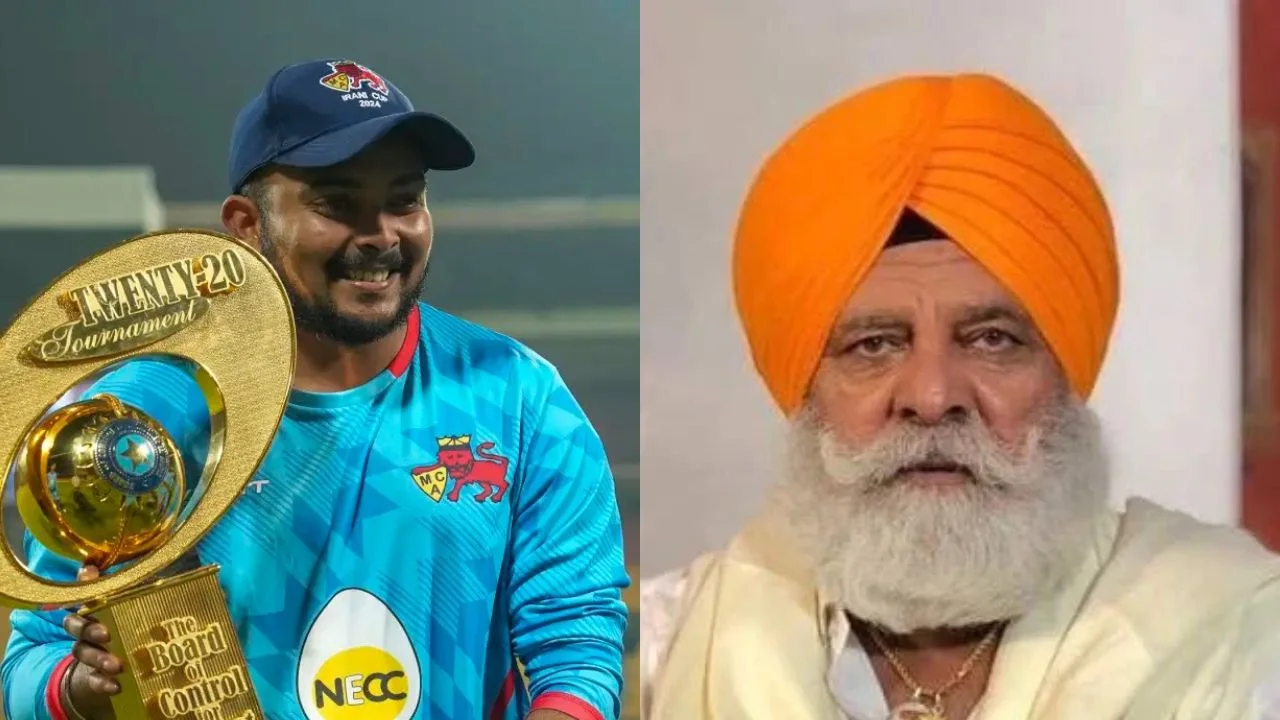
Prithvi Shaw Responds to Yograj Singh’s Criticism as Debate Over His Career Resurfaces
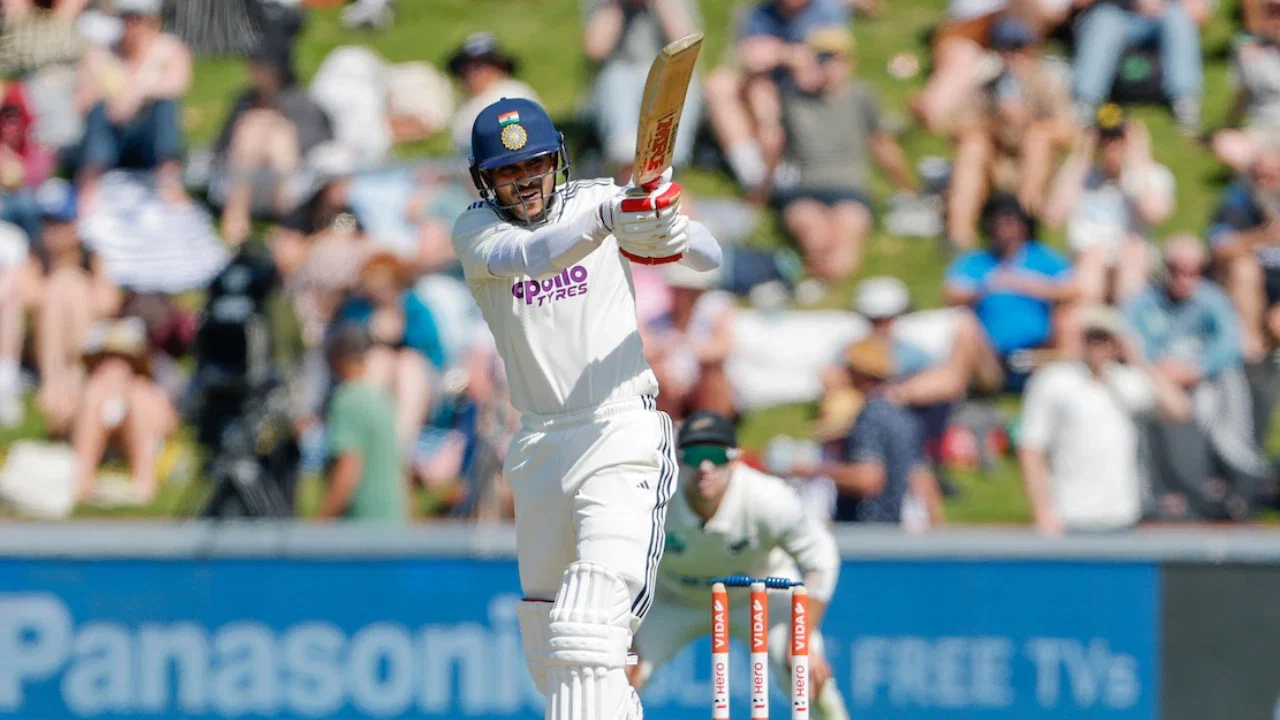
Prithvi Shaw has strongly objected to comments made by former India cricketer Yograj Singh, warning that legal action could follow if people continue to use his personal life to spread what he describes as false or damaging claims. The exchange has reignited discussion about the Maharashtra batter’s career, his recent domestic form and the challenges he faces in pursuing a return to India’s national side.
Shaw is currently featuring in the Syed Mushtaq Ali Trophy (SMAT) 2026–27, India’s domestic T20 competition. He has also captained Maharashtra in recent matches while regular skipper Ruturaj Gaikwad has been unavailable. The tournament offers Shaw an important opportunity to build consistency and strengthen his case for future selection.
Yograj Singh Compares Shaw’s Career to Vinod Kambli’s
Yograj Singh’s remarks came during an appearance on the Sports Launchpad programme, where he was asked why Shaw’s promising start had not translated into a sustained place in the Indian team. Shaw was once widely regarded as one of the country’s most exciting young batters, but his career has since been shaped by inconsistent performances, questions about his preparation and repeated scrutiny outside the game.
In response, Yograj drew a comparison with former India batter Vinod Kambli, whose exceptional talent did not lead to the long international career many had expected. Yograj attributed Kambli’s decline to lifestyle choices and suggested that similar distractions had affected Shaw.
“Why did Prithvi Shaw go downhill? It happened with Vinod Kambli before him,” Yograj said, referring to what he described as partying, drinking and poor company. He also recounted a conversation he said he had with Kambli, using it to argue that talent alone cannot sustain a player’s career without discipline and commitment.
Yograj went on to suggest that Shaw had followed a comparable path. His comments were blunt and personal, moving beyond an assessment of performances on the field and into claims about the batter’s private life. That distinction became central to Shaw’s response.
Shaw Issues a Warning About Personal Attacks
Shaw responded publicly, saying he has no reason to hide or feel ashamed of his past, but objecting to what he sees as the deliberate use of personal details to damage his reputation. He said there is a difference between offering an opinion on a cricketer’s performance and making claims that are misleading or defamatory.
“My past is a part of my life, and I have absolutely nothing to hide or be ashamed of,” Shaw said. He added that he would not tolerate people using his name or personal life to create controversy, attract attention or spread negativity.
The batter’s statement warned that individuals or platforms making false, misleading, defamatory or malicious claims could face legal consequences. His response shifts the dispute from a familiar debate about sporting discipline to a broader question about public commentary, personal boundaries and responsibility when discussing athletes.
For Shaw, the immediate challenge remains cricket. A strong run in the domestic season could help redirect attention towards his performances, while the public dispute is likely to keep his name in the headlines. His prediction for a successful comeback will ultimately depend less on outside commentary than on sustained results, fitness and selection opportunities.
From Under-19 Champion to a Fight for Consistency
Shaw’s rise was rapid. He captained India to victory at the 2018 Under-19 World Cup and was quickly identified as a batter with the technique and confidence to progress to the senior team. He made his Test debut against the West Indies later that year and scored a century in his first appearance, an achievement that intensified expectations around his future.
At the time, Shaw was often discussed alongside other emerging Indian batters, including Shubman Gill. However, early promise does not guarantee a long international career. Shaw subsequently faced questions about his technique, fitness and consistency, while competition for places in India’s batting line-up grew increasingly strong.
International selection is shaped by more than reputation or a memorable debut. Players must produce runs across formats, remain physically prepared and demonstrate the ability to adapt when opponents identify weaknesses. For a young batter returning from a difficult period, domestic cricket can provide the clearest route back: regular innings, measurable improvement and a sustained record of performance.
Why the Domestic Season Matters for Shaw
Shaw’s participation in the SMAT and his leadership responsibilities with Maharashtra give him a chance to make a case on the field. T20 cricket demands quick decision-making and the ability to score under pressure, while captaincy adds another layer of responsibility. Strong performances in both roles could help demonstrate that he is focused on contributing to his team as well as rebuilding his individual form.
However, a few successful innings may not be enough to secure an immediate national recall. Selectors typically look for consistency over time, particularly when established players and younger contenders are competing for the same positions. Shaw will need to show that his scoring is repeatable and that he can maintain his fitness and preparation throughout a demanding domestic schedule.
The controversy also highlights how quickly a player’s narrative can become defined by events away from the pitch. Shaw’s career has attracted attention not only for his early achievements but also for setbacks and criticism. Yet the most meaningful measure of his progress will be what he produces in upcoming matches—not speculation about his private life.
A Career at a Turning Point
Yograj Singh’s comparison with Kambli has reopened a familiar conversation about talent, discipline and unrealised potential. Shaw’s firm reply makes clear that he rejects personal attacks and is prepared to challenge claims he considers harmful. Both developments have placed renewed focus on a cricketer whose career began with extraordinary promise.
For now, the path forward is straightforward in principle, even if difficult in practice: deliver consistent performances, meet the physical demands of professional cricket and allow results to shape the next chapter. Shaw’s domestic campaign will be closely watched by fans seeking a prediction about whether he can return to the national conversation. The answer will depend on his ability to turn potential into a reliable run of form.