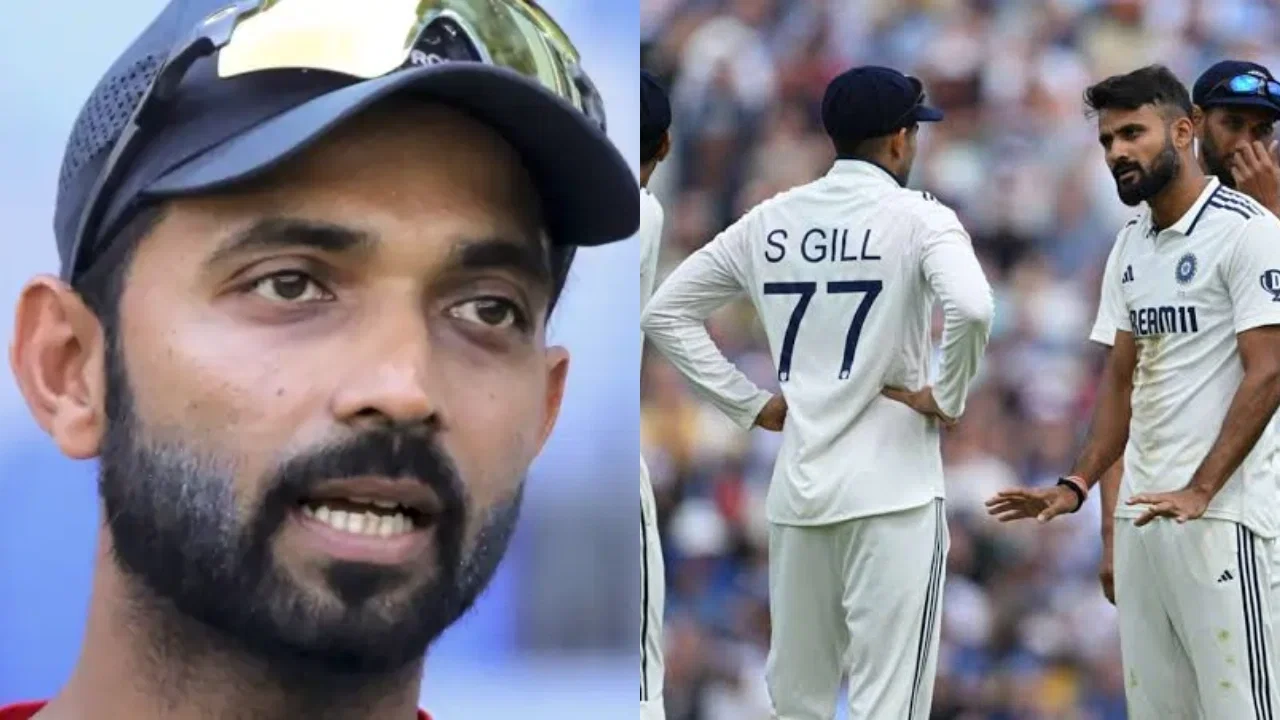
Ajinkya Rahane Says Shubman Gill’s Reaction May Have Affected Akash Deep’s Confidence
Former India batter Ajinkya Rahane has urged India captain Shubman Gill to support his teammates during difficult moments, suggesting that the skipper’s visible frustration after a missed run-out may have affected fast bowler Akash Deep’s confidence on the final day of the first Test against New Zealand in Wellington.
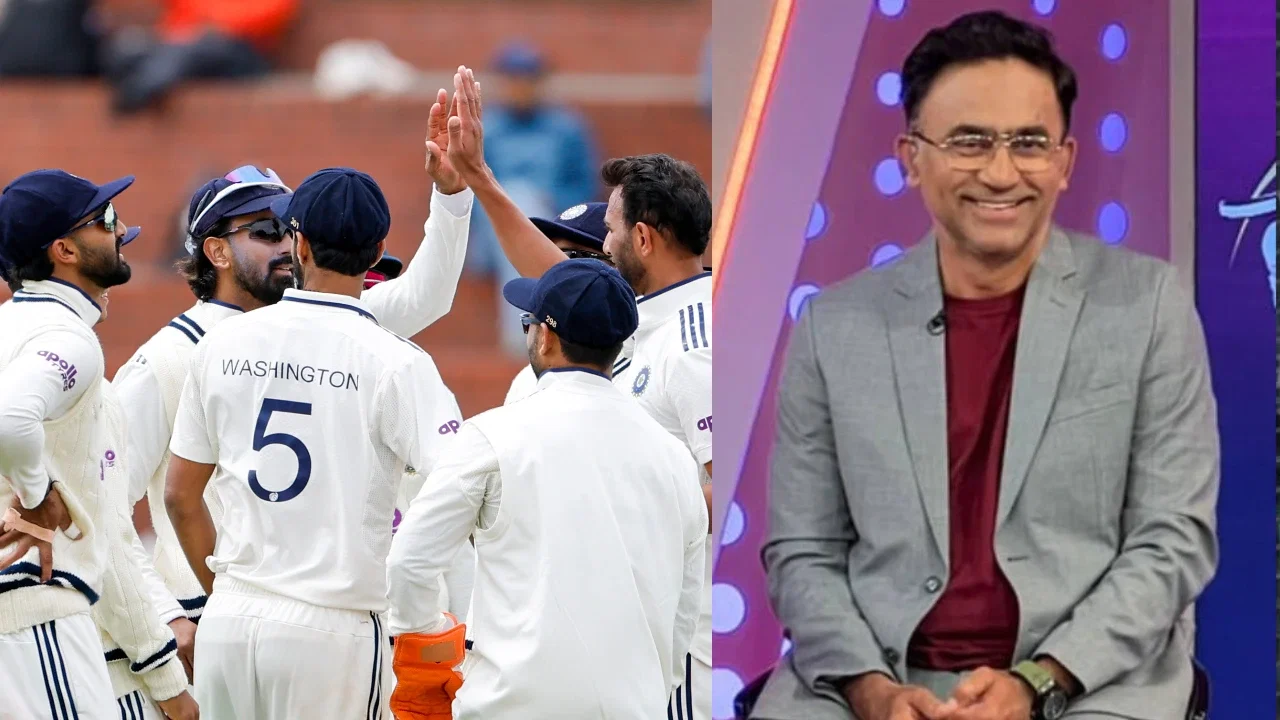
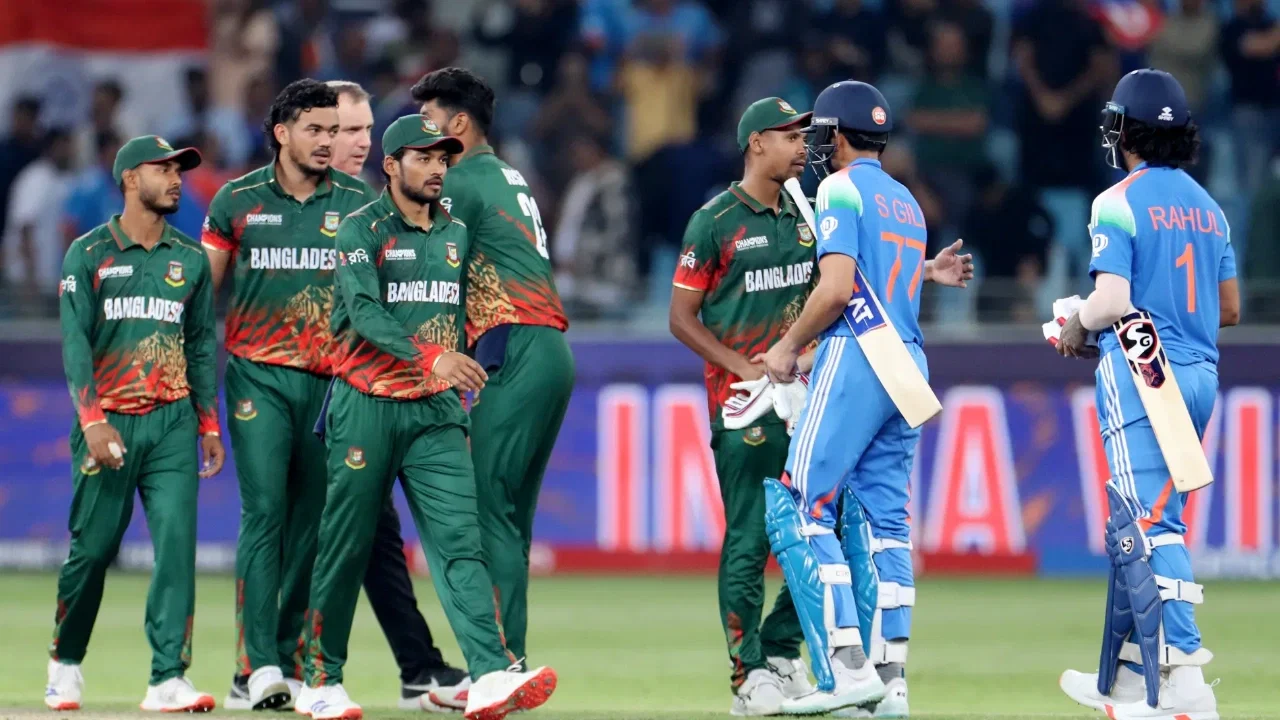
The match ended in a draw after New Zealand’s Daryl Mitchell and Glenn Phillips produced a determined sixth-wicket stand to keep India from completing a dramatic victory. India had entered the final day with a strong position, but the hosts’ resistance—and a costly fielding moment involving Akash Deep—helped shift the momentum.
Mitchell and Phillips Hold Firm to Secure a Draw
India had built a substantial first-innings advantage after scoring 720 for nine declared, following New Zealand’s total of 368. With eight wickets still required on the final day, India had a clear opportunity to push for a win. New Zealand, however, needed only to bat out the remaining time to protect the draw.
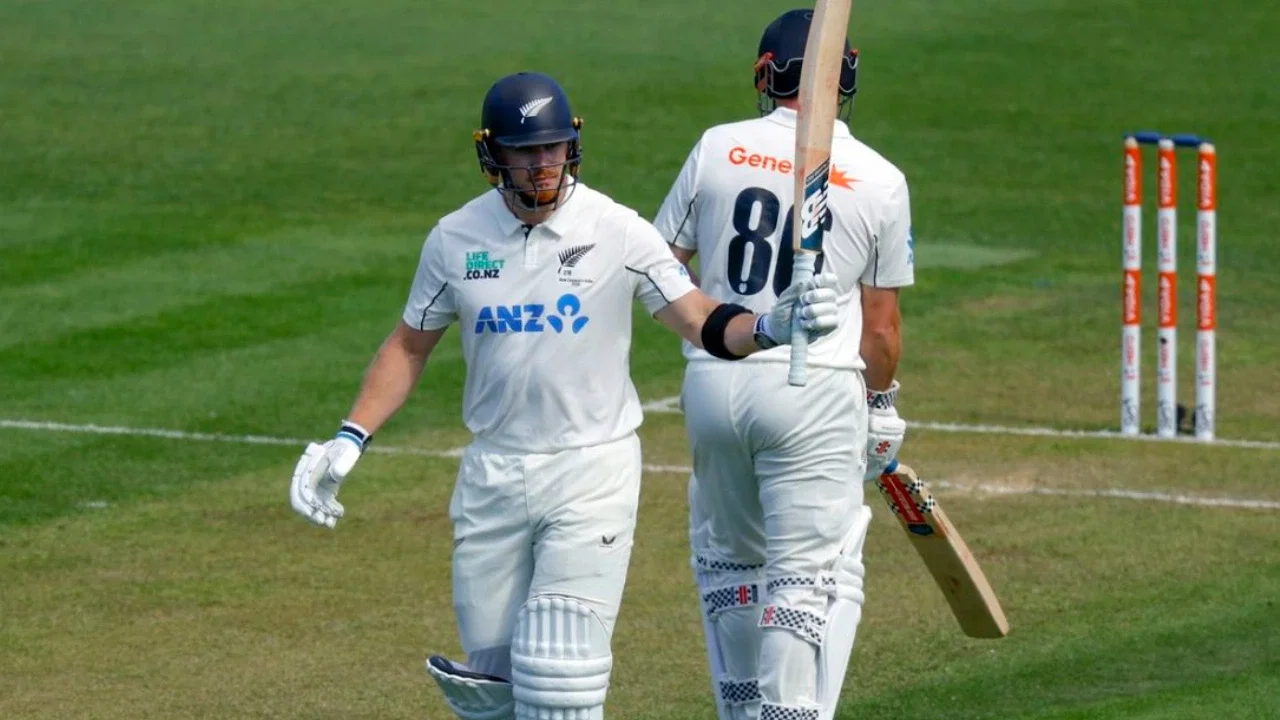
Mitchell and Phillips carried out that task with patience and discipline. The pair spent long periods at the crease, resisting India’s varied bowling plans and limiting the chances available to the fielding side. Mitchell finished unbeaten on 49 from 186 deliveries, while Phillips remained not out on 26 from 126 balls.
Their partnership steadily drained the urgency from India’s attack. Gill tried different bowlers and field placements in an effort to break through, but the batters were well established and increasingly comfortable. As the overs passed, the prediction of an Indian win became less likely, while New Zealand’s chances of saving the match grew stronger.
Missed Run-Out Gives Mitchell a Second Chance
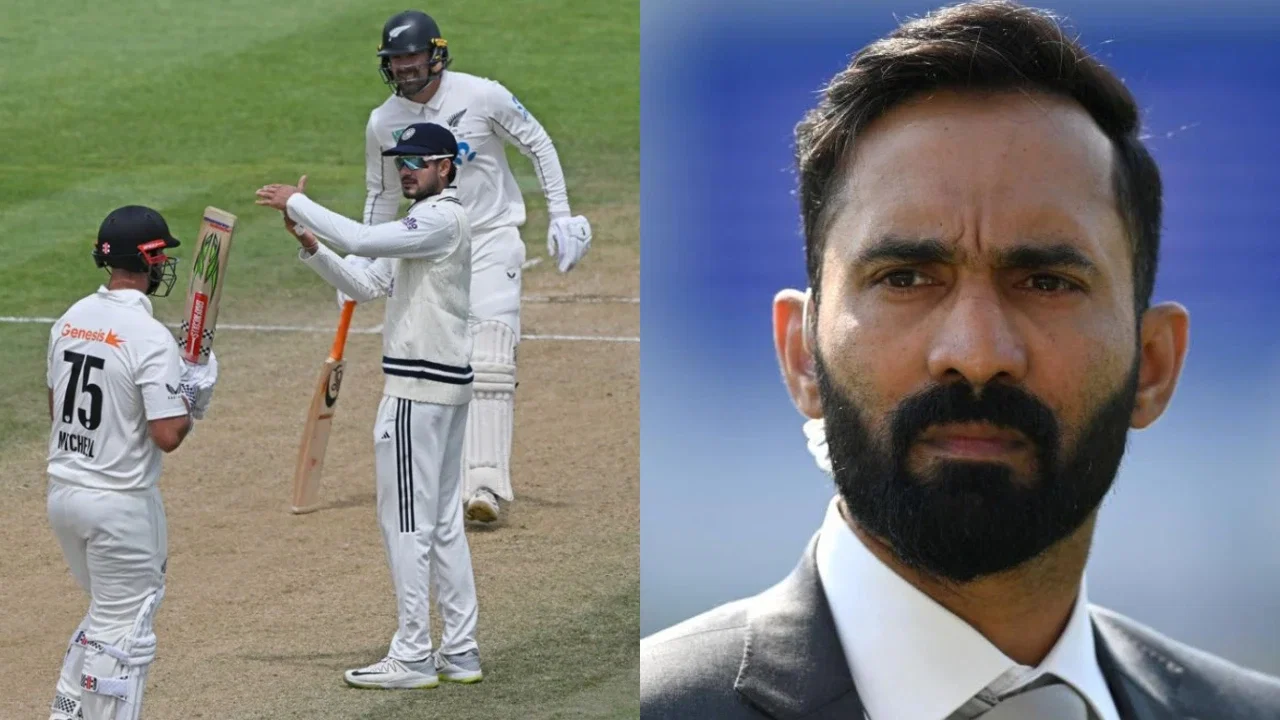
One of the day’s most significant moments came when Mitchell briefly left his crease while attempting to turn a delivery from Washington Sundar toward mid-on. Akash Deep reacted quickly, racing in to collect the ball as Mitchell was stranded away from safety.
The opportunity appeared to offer India a straightforward run-out chance. But as Akash gathered the ball, it slipped from his hands, allowing Mitchell to scramble back into his crease. The batter survived, and New Zealand avoided losing a key wicket at a crucial point in the innings.
Gill’s frustration was immediately visible. Cameras captured the captain reacting sharply toward Akash, and the exchange soon circulated widely on social media. The moment drew attention not only because of the missed chance, but also because it happened during a tense final-day passage when India were searching urgently for a breakthrough.
Rahane Calls for Support Rather Than Criticism
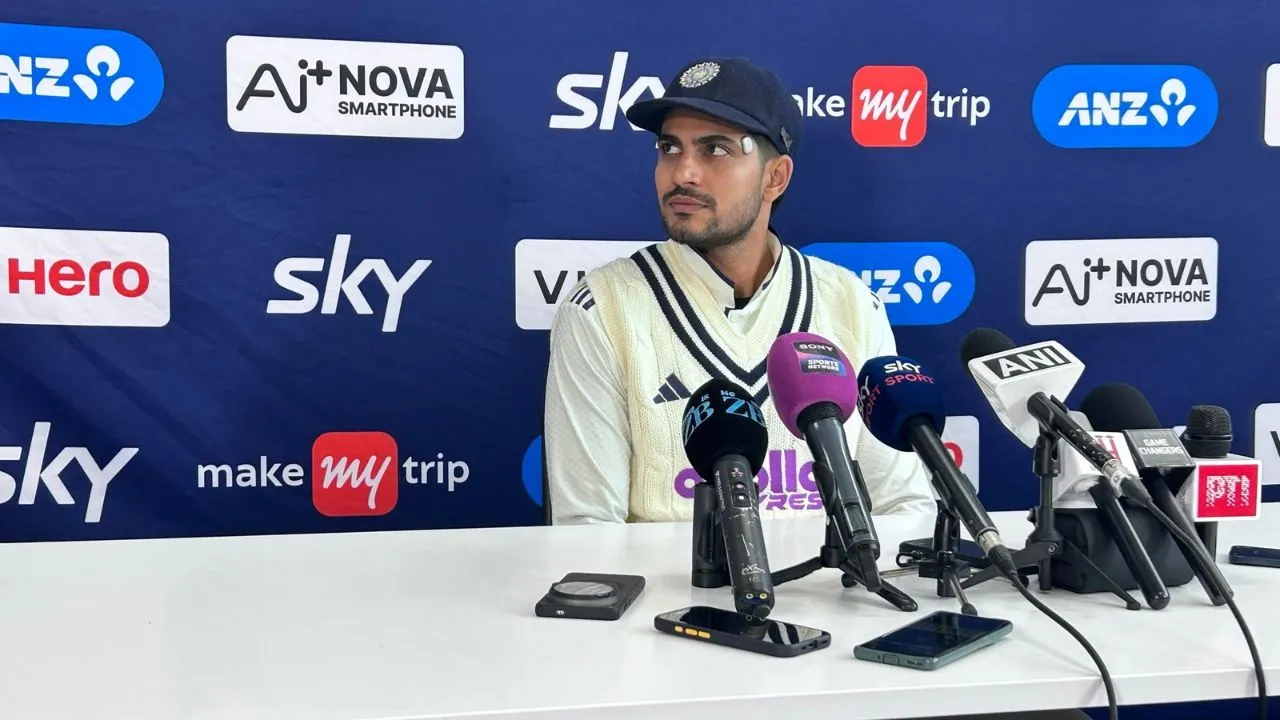
Speaking on Sony Sports, Rahane said that a captain’s response can matter greatly when a player has just made an error. He acknowledged the importance of the missed run-out but argued that public frustration may not be the most effective way to help a teammate recover.
“I feel that teammates’ support is really required. Akash Deep would come to bowl. He would take wickets. He might take a brilliant catch or take a wicket, so that support is really important,” Rahane said.
Rahane’s comments highlighted a broader leadership question in cricket: how should a captain balance accountability with encouragement? A missed opportunity can be costly, particularly in a Test match where a single wicket may alter the result. At the same time, players must remain mentally ready for the next delivery, and a supportive response can help prevent one mistake from affecting the rest of a performance.
Rahane’s point was not that fielding errors should go unaddressed. Rather, his remarks suggested that the timing and manner of feedback matter. In a high-pressure setting, a calm word from the captain may help a bowler reset, while an angry reaction can risk adding to the disappointment already felt by the player.
Akash Deep Had Contributed with the Ball
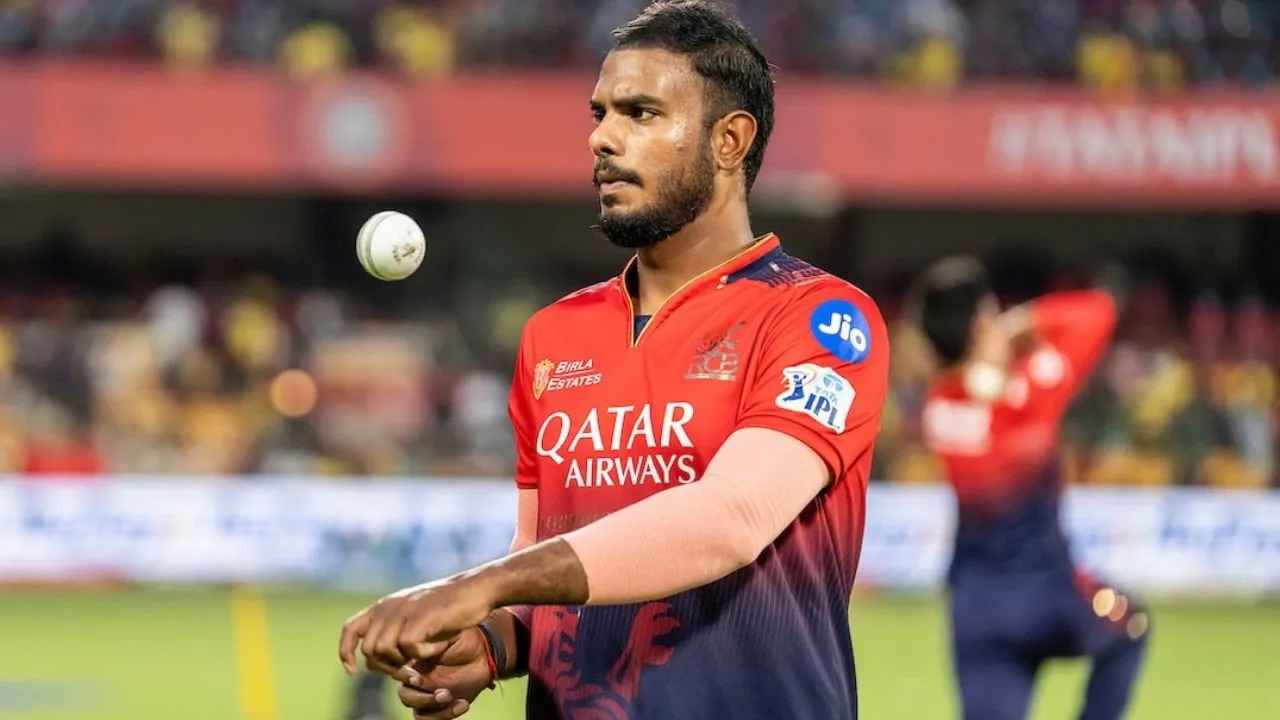
The missed run-out also came in a match in which Akash had already made a meaningful contribution. He claimed three wickets in 23 overs during New Zealand’s first innings and added another wicket in the second, bowling 20 overs as India searched for a way through the home side’s batting order.
Those figures underline why Rahane stressed the value of backing a frontline bowler. Akash had worked hard across both innings, and the dropped opportunity was one moment in a demanding Test match rather than a complete reflection of his performance. For a fast bowler, confidence and rhythm can be important, especially when long spells and a stubborn batting partnership test both physical and mental endurance.
A Lesson in Test-Match Leadership
The Wellington draw was shaped by several factors: India’s substantial first-innings total, New Zealand’s resistance, the length of Mitchell and Phillips’ partnership, and the fielding chances that India could not convert. While the missed run-out did not single-handedly decide the result, it became a defining talking point because it offered a glimpse of the pressure surrounding the final day.
For Gill, the episode may serve as a reminder that leadership is tested most visibly when plans begin to falter. Captains must make tactical decisions, maintain intensity and help teammates stay focused after setbacks. For Akash, the challenge was to move on from the error and continue contributing—a task that is easier when the team’s response reinforces confidence.
Rahane’s assessment has added a human dimension to the match discussion. Beyond the scorecard and the prediction of whether India could force a late victory, the incident has renewed debate about communication, composure and team support in international cricket. New Zealand ultimately secured the draw through disciplined batting, while India were left to consider how small moments—and the reactions that follow them—can influence the atmosphere of a high-stakes Test.