Navjot Singh Sidhu Calls for India-Pakistan Bilateral Cricket, Says Sport Can Build Bridges
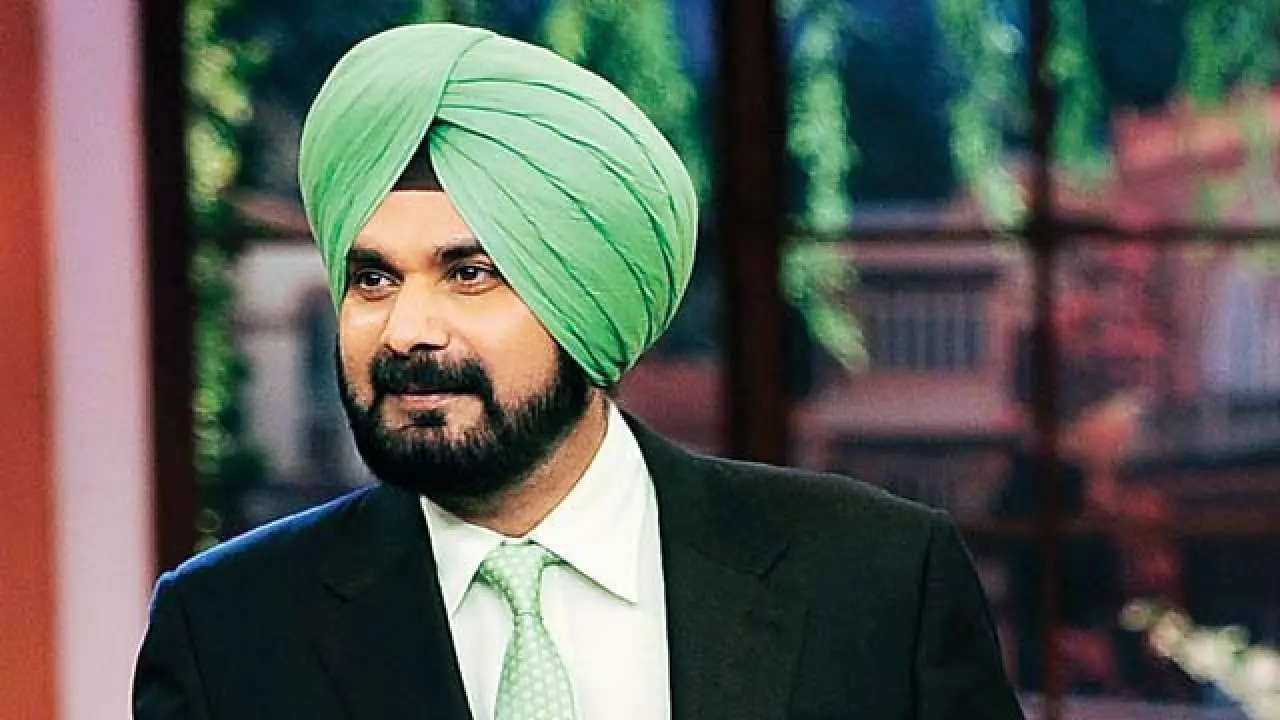
Former India batter Navjot Singh Sidhu has renewed the call for India-Pakistan bilateral cricket, arguing that sport can help ease political strain and create opportunities for the two countries to reconnect. Speaking at an ILT20 event, Sidhu urged officials and fans to keep the game at the centre of cricket discussions, even as diplomatic tensions continue to shape where and when the rivals can meet.
His comments arrived amid fresh attention on the rivalry after Pakistan Shaheens defeated India A in a heated Asia Cup Rising Stars match on November 22. Exchanges between players during the contest recalled the intensity that has long accompanied India-Pakistan fixtures. But Sidhu, who faced Pakistan 32 times in international cricket, said such passion need not prevent the sport from serving as a bridge between the neighbours.
Sidhu: “Focus on the Sport, Not Politics”
Sidhu said decisions about international tours ultimately rest with governments, not players or cricket boards. At the same time, he noted that cricket is often discussed as a way to encourage friendship and solidarity when relations between the countries become strained.
“Please focus on the sport, not politics,” Sidhu said. He described an India-Pakistan match as a defining occasion for both nations, adding that cricket diplomacy can help lower the temperature after periods of political tension.
Sidhu also used a Hindi saying to underline his point: “Jodne wale ko maan milta hai, todne wale ko apmaan milta hai”—those who bring people together earn respect, while those who divide them invite criticism. In his view, sport has the power to cross boundaries and create shared experiences, even when broader relations remain difficult.
The appeal reflects a familiar argument among former players and supporters: cricket cannot resolve political disputes on its own, but regular competition can create communication, public goodwill and moments of mutual respect. India-Pakistan matches also attract enormous global audiences, giving them a cultural significance that extends well beyond the boundary rope.
Memories of Facing Wasim Akram and Waqar Younis
Sidhu’s call for renewed fixtures was accompanied by memories from his own playing career, when India’s contests with Pakistan were marked by fierce competition. He recalled travelling to Pakistan in 1988, when fast bowlers Wasim Akram and Waqar Younis were emerging as major forces in international cricket.
Sidhu described facing a sharp bouncer from Akram that passed close to his ears. Former India captain Ravi Shastri later told him he had not even seen the delivery, Sidhu recalled. The anecdote captures the speed and pressure that defined those encounters, particularly for batters confronting Pakistan’s formidable pace attack.
Despite the intensity, Sidhu said the rivalry was confined to the field. He noted that he and Akram became good friends, while stressing that representing one’s country leaves little room for sentiment during a match. His recollection offers a useful distinction: fierce competition and personal respect can exist side by side.
That balance is part of what makes India-Pakistan cricket so compelling. The contests are emotionally charged, but their most memorable moments often include gestures of sportsmanship and recognition between players. Sidhu’s account suggests that rivalry need not be synonymous with hostility—and that the game can preserve human connections even when political relations are unsettled.
Why India and Pakistan Do Not Play Bilateral Series
India and Pakistan last played a bilateral series during Pakistan’s tour of India in December 2012. Since then, the two senior men’s teams have generally met only in multi-nation competitions organised by the International Cricket Council (ICC) or the Asian Cricket Council (ACC).
The central obstacle is government policy. The Board of Control for Cricket in India (BCCI) and the Pakistan Cricket Board (PCB) operate within the decisions and restrictions set by their respective governments. India has not approved bilateral cricket tours to Pakistan, while political tensions have also limited the prospect of Pakistani teams touring India.
As a result, tournament organisers have increasingly relied on neutral venues. Under a hybrid arrangement, India can play its matches at locations such as Sri Lanka or the United Arab Emirates when Pakistan is hosting an event. The model allows major competitions to proceed without requiring India to travel to Pakistan, although it can add logistical and scheduling complications.
The political climate has remained difficult, with a brief military confrontation in May 2025 further hardening positions. These circumstances help explain why calls from former players, however influential, cannot by themselves restart a bilateral series. Any return would require agreement at government level as well as coordination between the cricket boards.
Commercial Interest and the Future of the Rivalry
The PCB has repeatedly advocated for bilateral cricket, pointing to the substantial broadcasting, sponsorship and ticketing revenue an India-Pakistan series could generate. It has also proposed alternatives, including neutral-venue tri-series that would bring the teams together without requiring either side to tour the other’s country.
However, commercial appeal does not remove the political barriers. Reports cited in the original account said the ICC rejected the PCB’s demands in February 2026. PCB chairman Mohsin Naqvi has also maintained that Pakistan would play India at neutral venues rather than travel to India. A proposed boycott of a T20 World Cup meeting in Colombo was reportedly avoided after discussions involving the ICC.
For fans, the practical outlook remains centred on ICC and ACC tournaments rather than a full bilateral programme. That means each meeting carries added anticipation, while the limited schedule can intensify the pressure on players and heighten public interest. A bilateral series would offer a different rhythm: multiple matches, more time for sporting narratives to develop and greater opportunity for supporters to follow the contest beyond a single high-stakes game.
Sidhu’s comments therefore speak to both the emotional and practical sides of the debate. His memories show how fierce the rivalry has always been, while his appeal highlights the potential value of regular competition. Whether India-Pakistan bilateral cricket returns will depend on political decisions, not sporting enthusiasm alone. Until then, the prediction for the near future is that the rivals will continue to meet primarily at neutral venues in major tournaments—leaving fans to hope that cricket may eventually help open the door to a broader thaw.