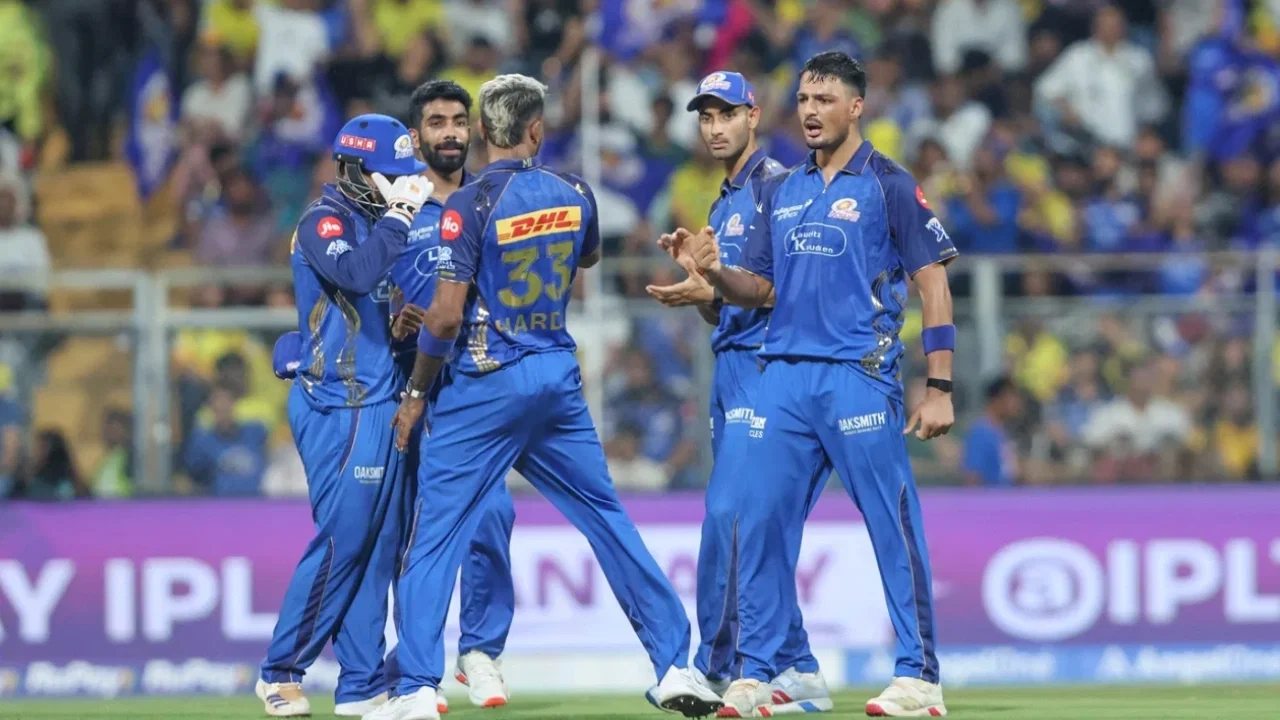
Mumbai Indians Top IPL Franchise Valuations as Team Values Surge
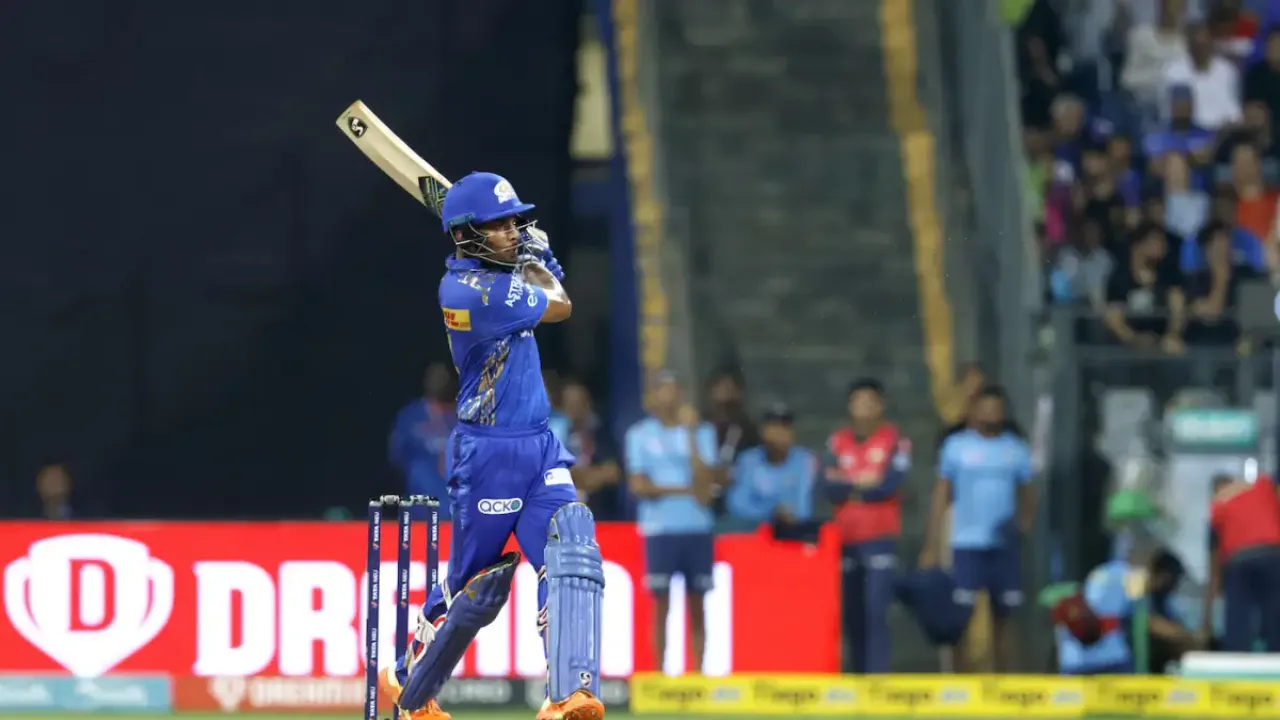
The Mumbai Indians have emerged as the Indian Premier League’s most valuable franchise, carrying an estimated enterprise valuation of $2.1 billion, according to Sportico. The figure reflects how dramatically the IPL has evolved since its launch in 2008: what began as an eight-team cricket tournament is now one of the world’s most valuable sports properties, attracting global investors and commanding exceptional commercial interest.
Sportico estimates the average IPL franchise is worth about $1.7 billion, with every team valued above $1.5 billion. That represents an increase of nearly 1,800% from the average franchise value at the league’s launch. The latest estimates also underline a growing gap between the original purchase prices and the value investors now place on established IPL teams.
How IPL Franchise Values Compare
Behind Mumbai Indians, the valuations of several other leading teams are clustered closely together. Chennai Super Kings are estimated to be worth $1.75 billion, while Kolkata Knight Riders are valued at $1.73 billion. Delhi Capitals carry an estimated value of $1.70 billion.
Royal Challengers Bengaluru has also attracted significant attention following a major ownership deal. In March, a consortium involving Blackstone, Bolt Ventures, the Aditya Birla Group and the Times of India Group acquired the franchise for $1.78 billion. The transaction includes both the men’s IPL team and its Women’s Premier League side. Sportico’s valuation places RCB at $1.85 billion.
Rajasthan Royals changed hands two months later, when a consortium led by Lakshmi Mittal, with Adar Poonawalla also involved, acquired the team for approximately $1.65 billion. These deals offer a striking comparison with the league’s early years. The original eight franchises were sold for a combined $724 million in 2008, with bids ranging from $67 million for Rajasthan Royals to $112 million for Mumbai Indians.
Why Investors Are Paying a Premium
One reason for the IPL’s rising valuations is the limited supply of teams. With no further expansion currently in sight, investors seeking a stake in the league have relatively few opportunities. Scarcity can strengthen competition for existing franchises, particularly as the IPL’s audience, sponsorship market and broadcast business continue to grow.
There are signs that investor interest extends beyond full acquisitions. Lucknow Super Giants are reportedly exploring a sale of between 15% and 20% of the franchise at an enterprise valuation ranging from $1.5 billion to $2 billion. Kolkata Knight Riders are also reportedly seeking a buyer for a 20% stake at a valuation of around $1.8 billion. Such discussions, if completed, would provide further benchmarks for the market.
For potential buyers, the appeal is not only the popularity of a particular team. It is also the league’s shared commercial structure, which gives franchises access to a substantial pool of centrally generated income. That recurring revenue can make IPL ownership attractive compared with sports investments that depend more heavily on a team’s individual performance or local market.
The Central Revenue Model Behind the Valuations
About 75% of an IPL franchise’s revenue comes from central distributions managed by the Board of Control for Cricket in India (BCCI), according to the figures cited by Sportico. A major foundation of this system is the BCCI’s five-year broadcast-rights agreement for the 2023–27 cycle, signed in 2022 and valued at $6.2 billion.
After production costs, the BCCI retains half of the media-rights fees and distributes about 90% of the remaining amount, alongside other league-level earnings, equally among the 10 franchises. The final 10% is allocated according to performance. Under the current arrangement, central distributions provide each team with an estimated $50 million to $55 million a year.
This shared model helps reduce the financial uncertainty that can affect other sports businesses. IPL teams do not face relegation, and their central payments are not based entirely on finishing position. Franchises can also earn money from ticket sales, sponsorship agreements and other commercial activity, adding revenue streams to their league distributions.
Sportico estimates that the average franchise generated $74.4 million in revenue during the 2026 season. Based on those figures, the IPL’s average revenue multiple is 22.9—higher than the reported multiples for the NBA, at 14.6, and the NFL, at 12.7. IPL team multiples sit within a relatively narrow range of 22 to 24, suggesting investors are applying broadly similar expectations across the league.
Cost Control and Future Growth Potential
Franchise economics are also supported by measures that limit major operating expenses. The player salary cap stood at approximately $16 million for the 2026 season, while teams avoid the cost of building and maintaining stadiums because matches are played at venues owned and operated by state associations.
Investors are also looking beyond current earnings. The IPL’s 10 teams serve a vast cricket audience in India, and the tournament attracted 1.2 billion unique viewers across linear television and digital platforms during the 2026 season. That reach gives the league a strong platform for sponsorship growth and future media-rights negotiations.
One possible source of additional income is a longer tournament schedule. The BCCI could increase the competition from 74 to 94 matches for the broadcast cycle beginning in 2028, a proposal that has reportedly been considered before. More matches could create additional advertising inventory and broadcast content, although any expansion would need to balance commercial opportunity with player workload and the wider cricket calendar.
There may also be room to grow broadcast revenue outside India. The league’s international following gives rights holders and franchises an opportunity to develop audiences in markets where cricket is popular, while digital platforms could make IPL coverage easier to access across borders. The scale of any future gains will depend on the next rights negotiations and how effectively the league converts global interest into paying audiences and sponsors.
IPL Valuation Prediction: What Comes Next?
The IPL’s next valuation chapter will likely depend on several factors: the outcome of future media-rights negotiations, any increase in the number of matches, continued audience growth and the availability of franchise stakes for sale. The current high valuations suggest investors are already pricing in substantial future potential, rather than simply measuring teams by their present-day revenue.
That confidence recalls a prediction made by IPL founder and first commissioner Lalit Modi after the inaugural season. “I’m no financial analyst, but given the huge success of the league, and its future potential, I would venture to say that franchisees bought assets that were heavily underpriced,” he said. Nearly two decades later, the gap between the original purchase prices and today’s reported valuations gives that early assessment renewed relevance.
For now, Mumbai Indians lead the franchise rankings, but the broader story is the financial rise of the entire competition. With centralized revenue, a vast audience and limited franchise availability, the IPL has become a prized investment in global sport. Whether its next wave of growth matches the dramatic gains already recorded will be one of the key questions for owners, broadcasters and fans alike.