Ajinkya Rahane Criticises Tilak Varma’s Public Remark After India A’s Defeat to Pakistan Shaheens
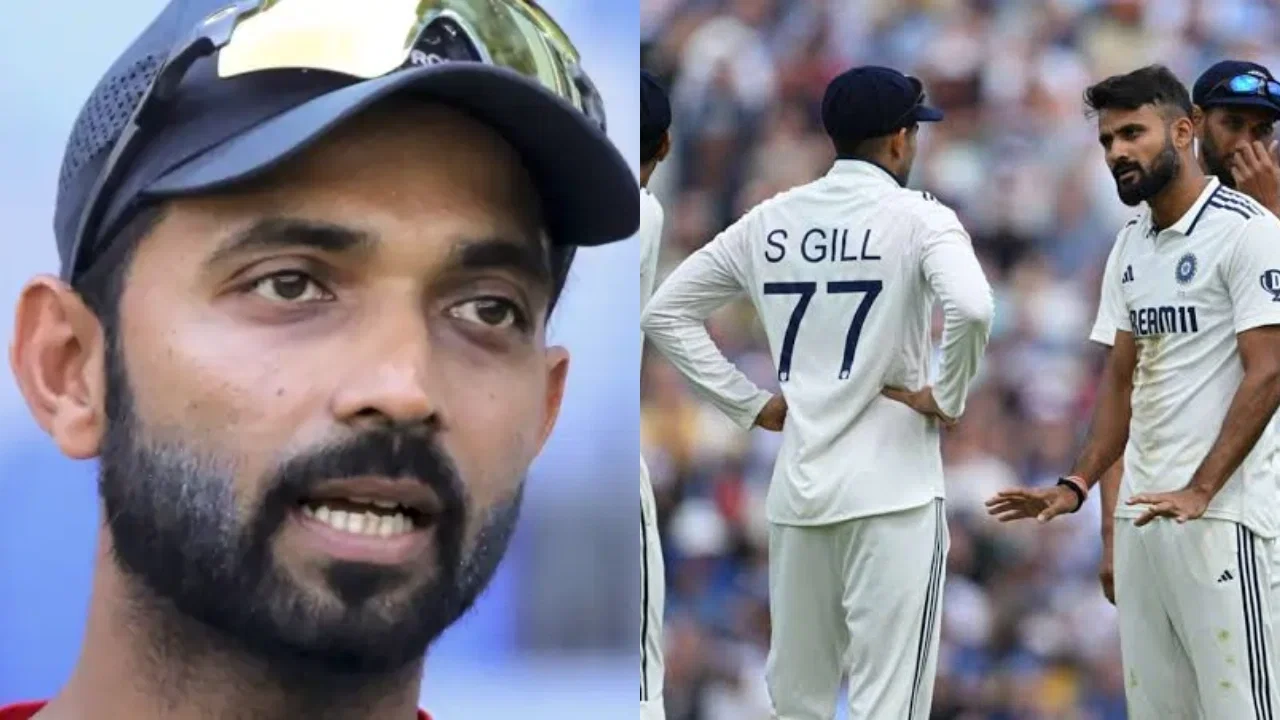
India A’s 48-run loss to Pakistan Shaheens in the ACC Men’s Asia Cup Rising Stars 2026 has sparked discussion beyond the result. After the match at West End Park International Cricket Stadium in Doha, captain Tilak Varma questioned all-rounder Shahbaz Ahmed’s dismissal during the post-match presentation. Former India batter Ajinkya Rahane has since criticised Tilak for airing his frustration publicly, saying such feedback is better delivered in the dressing room.
The defeat came after India A failed to chase Pakistan’s imposing total of 314, finishing on 265. The result secured Pakistan Shaheens a place in the semi-finals, while India A now need to beat the UAE to keep their own qualification hopes alive. The match also featured tense moments between the sides, adding to the scrutiny of India’s late-innings collapse and the comments that followed.
Tilak Varma Points to Shahbaz Ahmed’s Wicket
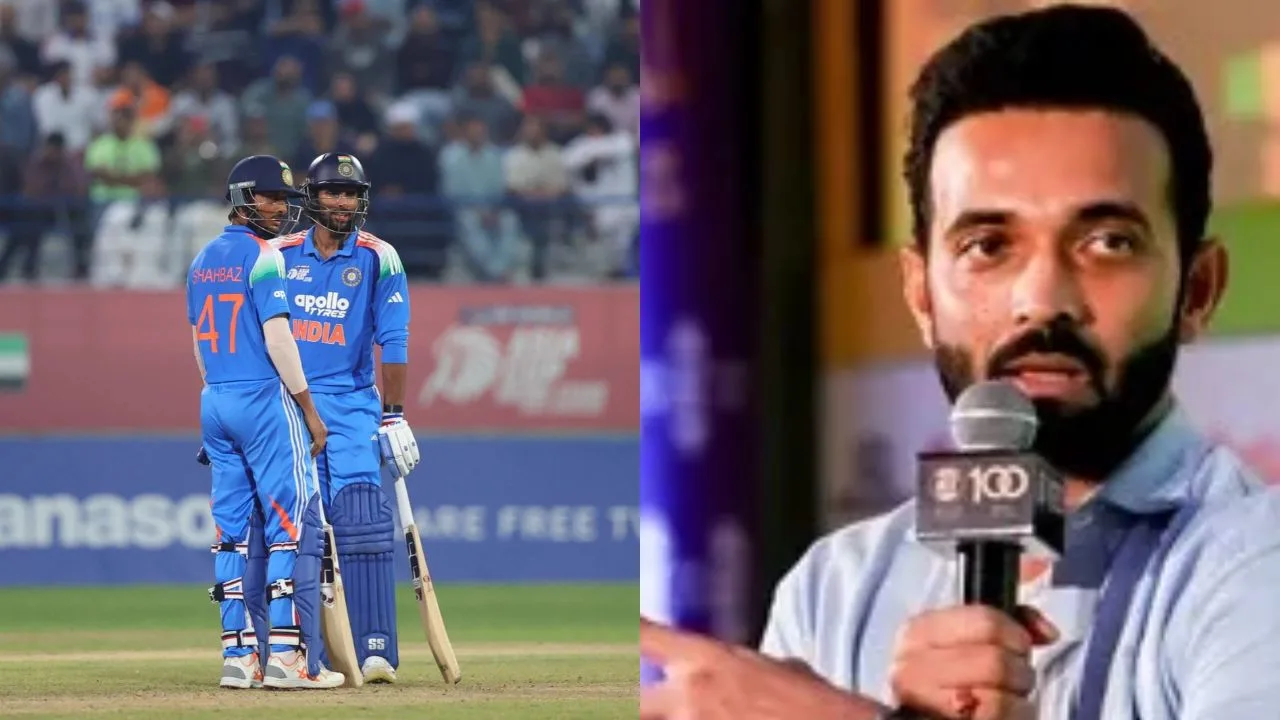
India A’s chase appeared to have regained momentum through a seventh-wicket partnership between Tilak and Shahbaz. The pair added 112 runs, bringing India closer to a demanding target and giving the team a realistic chance of mounting a late challenge.
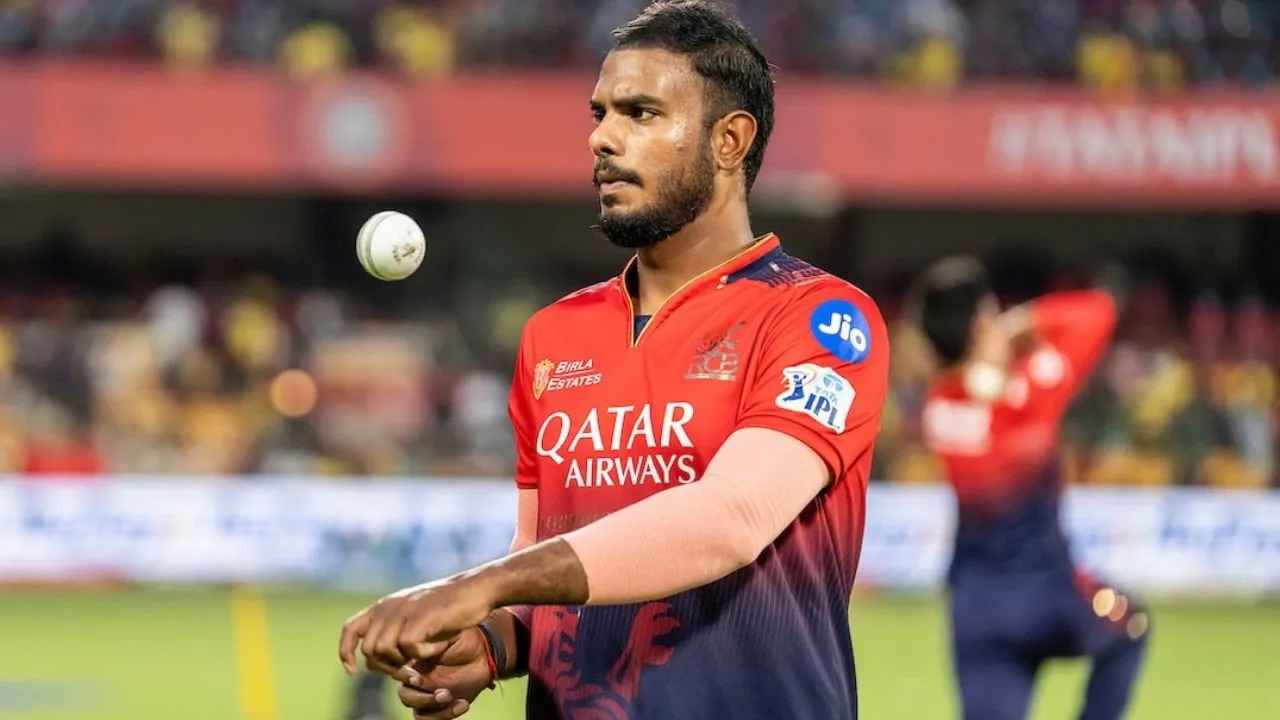
That stand ended when Shahbaz was dismissed. In his post-match remarks, Tilak suggested the all-rounder needed to stay at the crease for another couple of overs, implying that doing so could have improved India’s chances of winning. The wicket proved a turning point: India lost three more wickets for just three runs, leaving Tilak with little support and the chase in serious trouble.
Tilak eventually fell after reaching a century, but his innings drew attention for its measured pace as the required rate climbed. With wickets falling around him, he appeared to prioritise staying in, yet India could not recover from the collapse. His hundred was a major individual contribution, but it could not prevent the team from falling 48 runs short.
Ajinkya Rahane Says Criticism Belongs in the Dressing Room
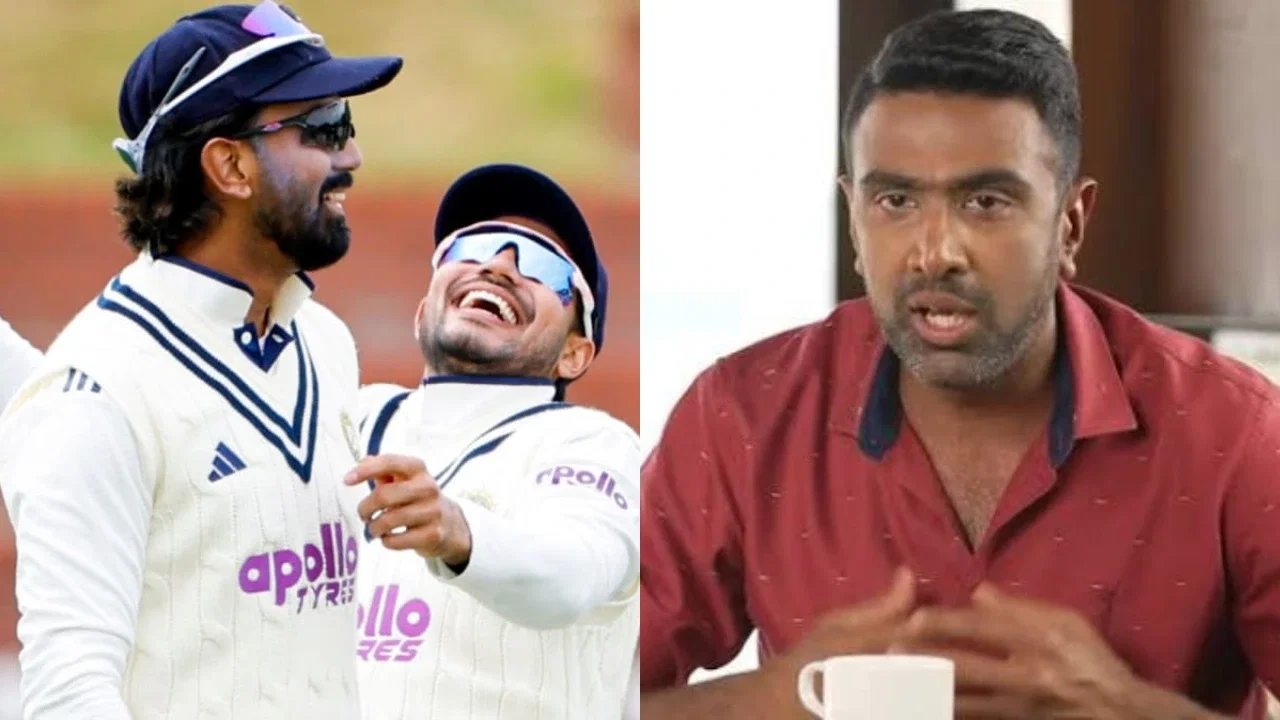
Rahane responded to Tilak’s comments by stressing the importance of protecting trust within a team. He said a captain should avoid criticising a teammate in front of the public and should instead raise concerns privately, where the conversation can be constructive and supportive.
“Nobody wants you to talk about your player in front of the world. If you want to say something, go say it in the dressing room—it builds their confidence,” Rahane said.
His point was not that captains should avoid accountability. Rather, Rahane’s comments underline the difference between reviewing a decision honestly and doing so in a setting that could make a player feel exposed. A private discussion gives teammates the chance to understand what went wrong, explain their choices and focus on the next match without turning a tactical disagreement into a public dispute.
Rahane Expects Tilak to Learn From the Experience
Rahane also offered perspective on the pressures of captaincy. He noted that players can work hard and still fail to get the result they want, while a captain may have several thoughts competing for attention during a post-match presentation. In that moment, a comment can come out differently from how it was intended.
“Look, this happens in cricket. You put in the effort, results go your way or they don’t. Sometimes you don’t get the chance as captain, because so many things are running through your mind. You come to the presentation, whatever you want to say, maybe that thing doesn’t come out, something else comes out,” Rahane said.
He added that the incident could become a useful learning experience for the young captain. “I’m sure Tilak Varma as a captain will learn. This is an experience for him on how to handle things,” Rahane concluded.
The exchange highlights a familiar challenge for emerging leaders: balancing honest assessment with the responsibility to maintain a united dressing room. For a young captain, the way a difficult result is discussed can matter almost as much as the tactical decisions made during the match.
Pakistan Shaheens Post 313 After Strong Start
Pakistan Shaheens batted first after winning the toss and made the most of their opportunity. They began aggressively, putting pressure on India A’s bowlers before the innings settled into a more controlled rhythm. Hasan Nawaz led the way with a composed 79, helping Pakistan remain in a strong position despite losing wickets through the middle overs.
Contributions from the middle and lower order added valuable runs at the finish, lifting Pakistan to 313. That total gave their bowlers a substantial target to defend and left India needing a sustained batting effort rather than a brief burst of scoring.
India A’s Chase: Bright Moments, Then a Costly Collapse
India A lost Vaibhav Sooryavanshi early, creating pressure from the outset. Abhishek Sharma responded with an attacking 70, providing the chase with energy and keeping the required rate within reach for a time. Tilak then anchored the innings and reached a century, while his partnership with Shahbaz briefly revived India’s hopes.
But the late collapse changed the match. Once Shahbaz departed, India’s remaining batters could not build another meaningful stand. The rapid loss of wickets left Tilak with an increasingly difficult task, and the innings ended at 265. The result illustrates how quickly a chase can shift when a lower-order partnership is broken, particularly against a large target.
India A’s Qualification Picture and Next Match
Pakistan Shaheens have confirmed their semi-final place with the win. India A, meanwhile, must turn their attention to the UAE, with victory essential to keeping their path to the knockout stage open. The upcoming match will test the team’s ability to recover from both a disappointing result and the debate surrounding the post-match comments.
For India A, the immediate focus will be on tightening their response under pressure, preserving partnerships and making sure the lower order can contribute when a chase reaches its decisive phase. Tilak’s century offers evidence of his batting ability, but the team will need a more complete effort to convert individual performances into a win.
As the tournament continues, the match will be remembered not only for Pakistan’s qualification and India’s defeat, but also for the leadership lesson that followed. Rahane’s prediction is that Tilak will learn from the episode; the young captain’s response in the UAE fixture will offer an early indication of how quickly he can turn that experience into growth.