ICC Plans Surprise Bat Checks as T20 Sixes Continue to Rise
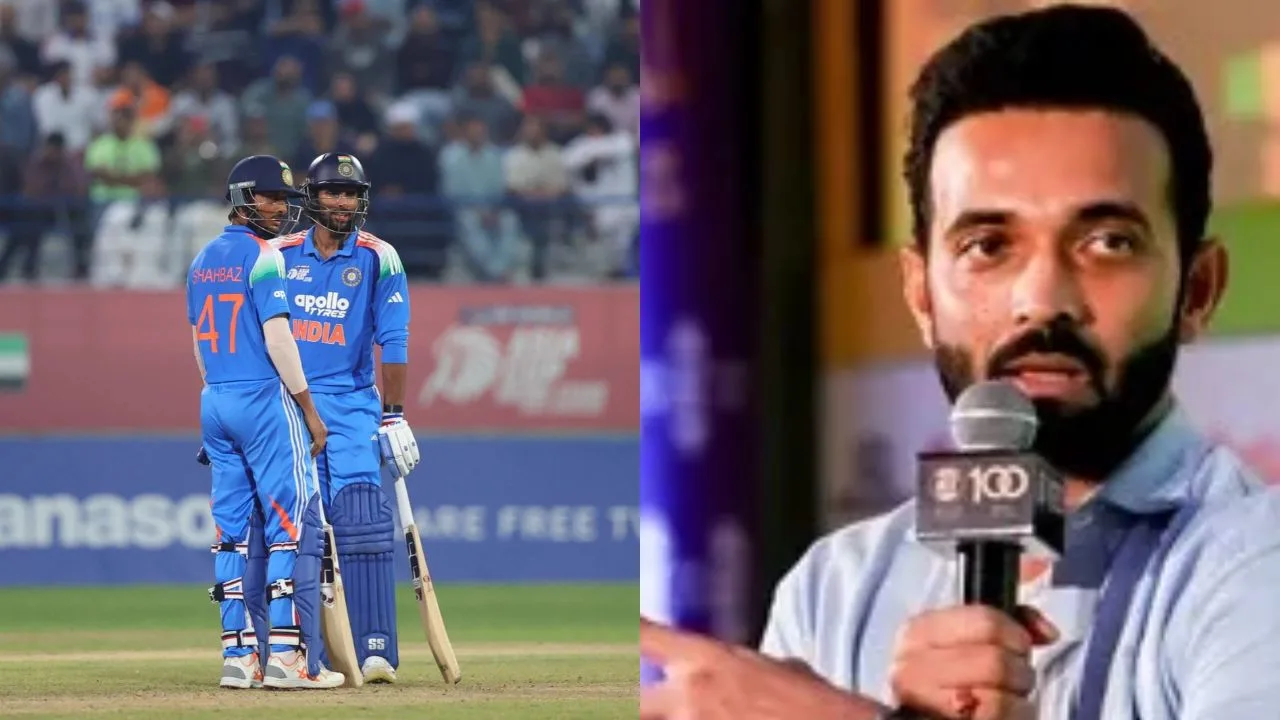
The International Cricket Council (ICC) is preparing to introduce surprise bat inspections at international matches, as cricket’s governing body looks to ensure that players’ equipment complies with existing regulations. The proposed checks come amid a steady rise in boundary-hitting, particularly in T20 cricket, where powerful batting and evolving equipment have made sixes a defining feature of the format.
Under the new system, match officials could ask players to pass their bats through a specially designed measuring gauge before they enter the field to bat. The aim is straightforward: confirm that every bat meets the permitted dimensions and that no player gains an unfair advantage from oversized equipment.
The move does not introduce new bat-size limits. Instead, it is intended to make enforcement more consistent at the highest level of the game. For players, teams and fans, the change could make equipment checks a more visible part of international cricket—and add fresh attention to the debate over the balance between bat and ball.
ICC committee recommendation receives approval
According to a report by the Hindustan Times, the proposal was recommended by the ICC Cricket Committee, led by former India captain Sourav Ganguly. The recommendation was approved by the ICC Chief Executives’ Committee during recent meetings in Bali. Implementation is expected to follow once match officials receive instructions on how the inspection process will work.
The inspection system is designed to close a potential gap in existing procedures. If only some bats are checked before a match, a player could still take an unchecked bat onto the field. Surprise checks during a game would give officials a way to verify equipment at the point when it is actually being used.
Specific operational details, including how often checks will take place and how officials will handle a bat that does not pass, are expected to be clarified through the ICC’s guidance to match officials. Whatever the final process, the central principle is that the rules should apply equally to every player and every bat.
What are the legal dimensions of a cricket bat?
Bat dimensions are governed by Law 5 of the Marylebone Cricket Club (MCC), the custodian of the Laws of Cricket. Under the current limits cited in reports on the ICC proposal, a bat’s width cannot exceed 4.25 inches, its depth cannot exceed 2.64 inches, and its edges cannot be thicker than 1.56 inches.
These measurements are intended to set a clear boundary for equipment design. A bat that exceeds the limit may be unsuitable for use, even if the extra size results from a manufacturing fault rather than a deliberate attempt to gain an advantage. That distinction matters: the inspection is focused on whether equipment complies with the rules, not on why it has fallen outside them.
Modern bats are made using carefully selected willow and refined shaping techniques. While advances in materials and craftsmanship can improve performance, the permitted dimensions remain the same. Regular checks can therefore help ensure that innovation stays within the limits set by the game.
Why rising six totals have intensified the debate
The increase in six-hitting has helped bring bat specifications back into focus. T20 batters now combine strength, timing, range and detailed tactical planning to target boundaries. Shorter formats also reward aggressive shot-making, while improved fitness and specialist coaching have helped players produce power more consistently.
Equipment is only one part of that picture. Pitch conditions, fielding restrictions, boundary sizes, bowling strategies and the quality of the ball all influence scoring. Still, some observers argue that powerful bats can add to the challenge faced by bowlers, particularly when a well-struck shot clears the boundary even when it is not perfectly timed.
That is why the ICC’s proposed checks are likely to be viewed as a measure of fairness rather than an attempt to limit attacking cricket. A reliable inspection process can help distinguish between the natural development of batting skill and any advantage that might come from equipment outside the rules. In an era when every T20 prediction often weighs up power-hitting alongside bowling depth, confidence in consistent equipment standards is important to the credibility of the contest.
IPL experience offers a model for stricter enforcement
The Indian Premier League has already taken steps towards more comprehensive bat inspections. The scale of six-hitting in the competition illustrates why equipment oversight has become a prominent issue: in IPL 2026, teams averaged 19.27 sixes per match, compared with 8.88 per match in the tournament’s inaugural 2008 season.
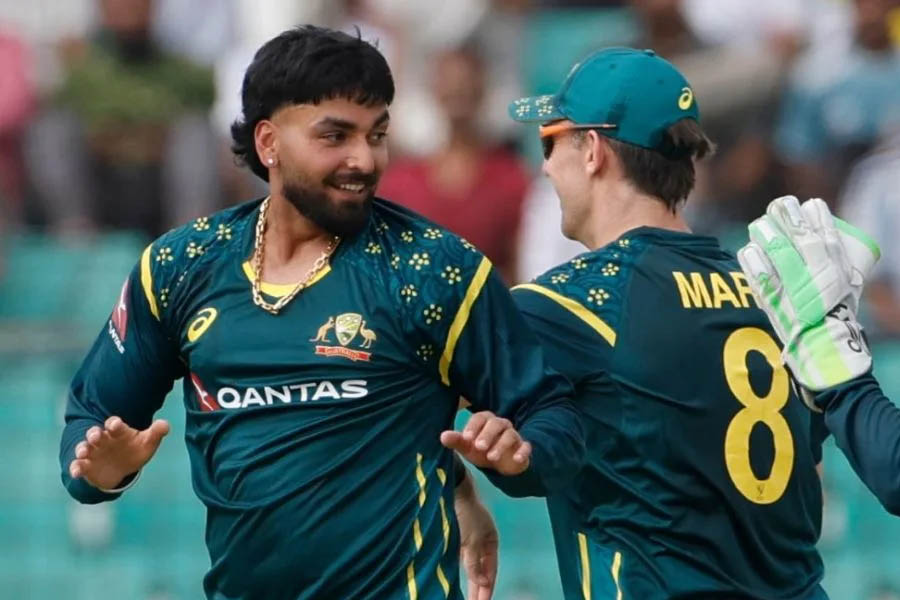
Earlier inspection practices did not necessarily involve checking every bat a player might use. The IPL’s stricter process was introduced to reduce the possibility of an unchecked bat being brought into a match. Several prominent players—including Sunil Narine, Ravindra Jadeja and Riyan Parag—reportedly had to replace bats after their equipment failed to pass the measuring gauge.
The experience demonstrates how a clear, practical procedure can turn a technical rule into an enforceable standard. The ICC’s proposed international system could draw on similar principles, while applying them across different competitions and playing conditions.
ICC also considers trials for a new ball
The ICC’s equipment review extends beyond bats. Its Cricket Committee has also recommended trials of a different ball in age-group cricket, beginning with the Under-19 World Cups scheduled for 2029 and 2030. The trials would allow officials to assess how alternative balls perform before any wider decisions are considered.
The governing body is also moving towards a competitive process for purchasing new balls and strengthening the approval system. Kookaburra white balls are currently used in major ICC limited-overs tournaments, and national boards also use them in bilateral matches to provide players with broadly comparable conditions.
However, the planned work is not a decision to replace Kookaburra. Rather, the ICC’s stated direction is to encourage research and development and explore whether ball quality can be improved. Any trial could examine how a ball performs over an innings, including its durability, visibility and consistency—factors that affect both batting and bowling.
What the changes could mean for international cricket
If introduced as planned, surprise bat checks would make compliance easier to verify and could discourage the use of equipment that falls outside the legal limits. The process may also prompt manufacturers and teams to pay closer attention to quality control, especially when preparing multiple bats for a tournament.
For supporters, the broader issue is the balance of the game. Big scores and spectacular sixes are a major part of T20’s appeal, but cricket also depends on clear rules and a fair contest between batters and bowlers. By checking bats and reviewing ball standards, the ICC is signalling that equipment should evolve without leaving the Laws of Cricket behind.
The next step will be the practical rollout of the inspection system and the publication of guidance for officials. Until then, the central message is clear: players can continue to push the limits of their skill, but their bats must remain within the limits of the rules.