R Ashwin Criticises India’s Final-Day Approach After Wellington Test Draw
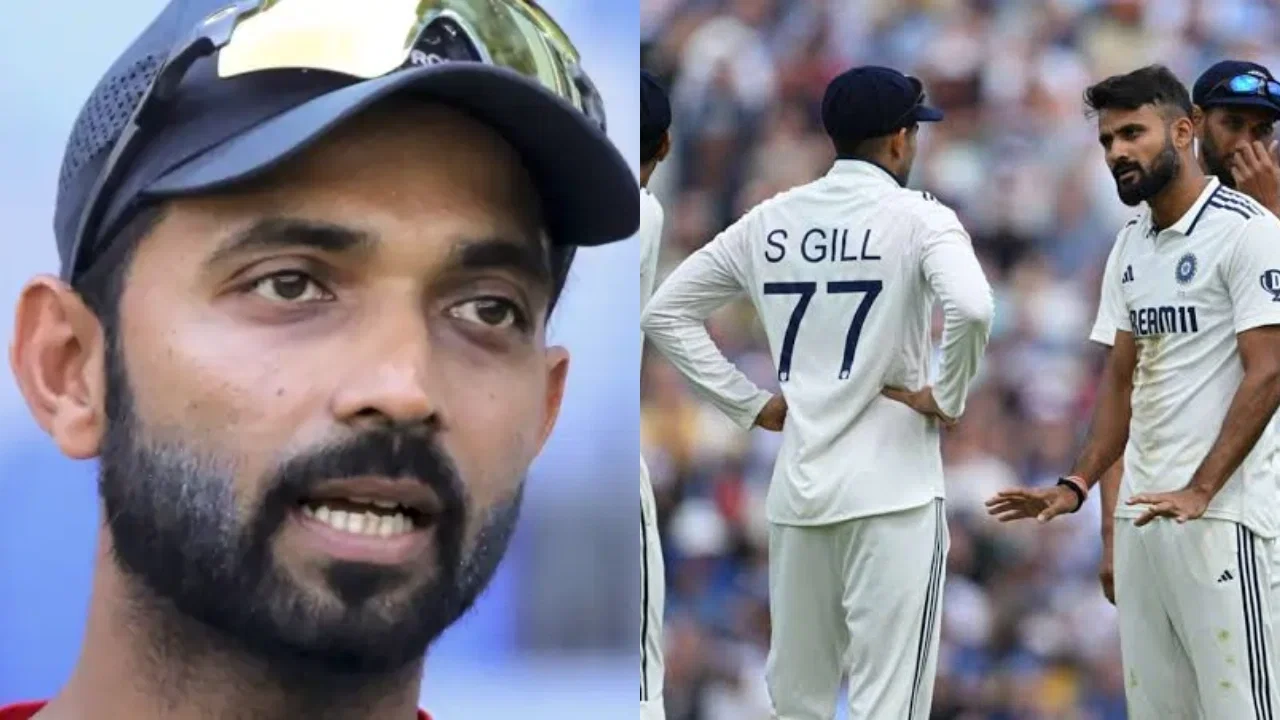
Former India spinner R Ashwin has questioned the urgency and intent shown by Shubman Gill’s side after the first Test against New Zealand ended in a draw at Wellington’s Basin Reserve. India entered the final day with a chance to push for victory, but could not claim the remaining five wickets and agreed to end the contest with roughly 15 overs still available.
India had controlled significant portions of the match and put New Zealand under pressure. For Ashwin, however, dominance was not enough: a strong position needed to be converted into a result. His comments have renewed discussion about India’s tactical choices, the demands of Test cricket and the difference between competing well and finishing a match.
Ashwin says urgency matters when a result is still possible
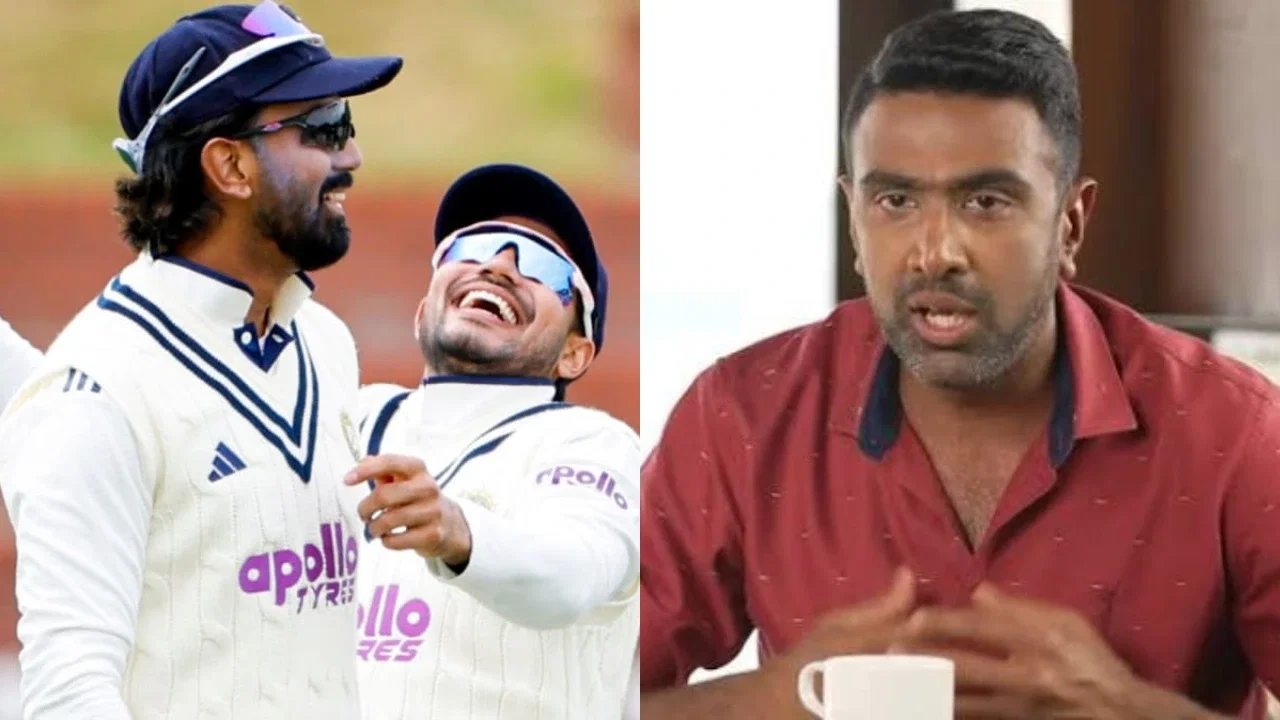
Speaking on his podcast, Ash Ki Baat, Ashwin referred to the intensity India often displayed under former captain Virat Kohli. He did not claim that a different captain or a change of approach would certainly have produced a win. Instead, he argued that maintaining urgency can keep pressure on batters and preserve a team’s chance of taking wickets.
“A draw was also possible; you can never say another bowler or another captain would have won the match—but I’ll only say this: urgency helps,” Ashwin said.
His point was about more than the final decision to shake hands. In a Test match, pressure is built through a combination of bowling plans, field placements, over rates and the atmosphere around the contest. If the fielding side appears to ease off, batters may find it easier to settle, communicate and manage the remaining overs.
Daryl Mitchell’s relaxed manner caught Ashwin’s attention
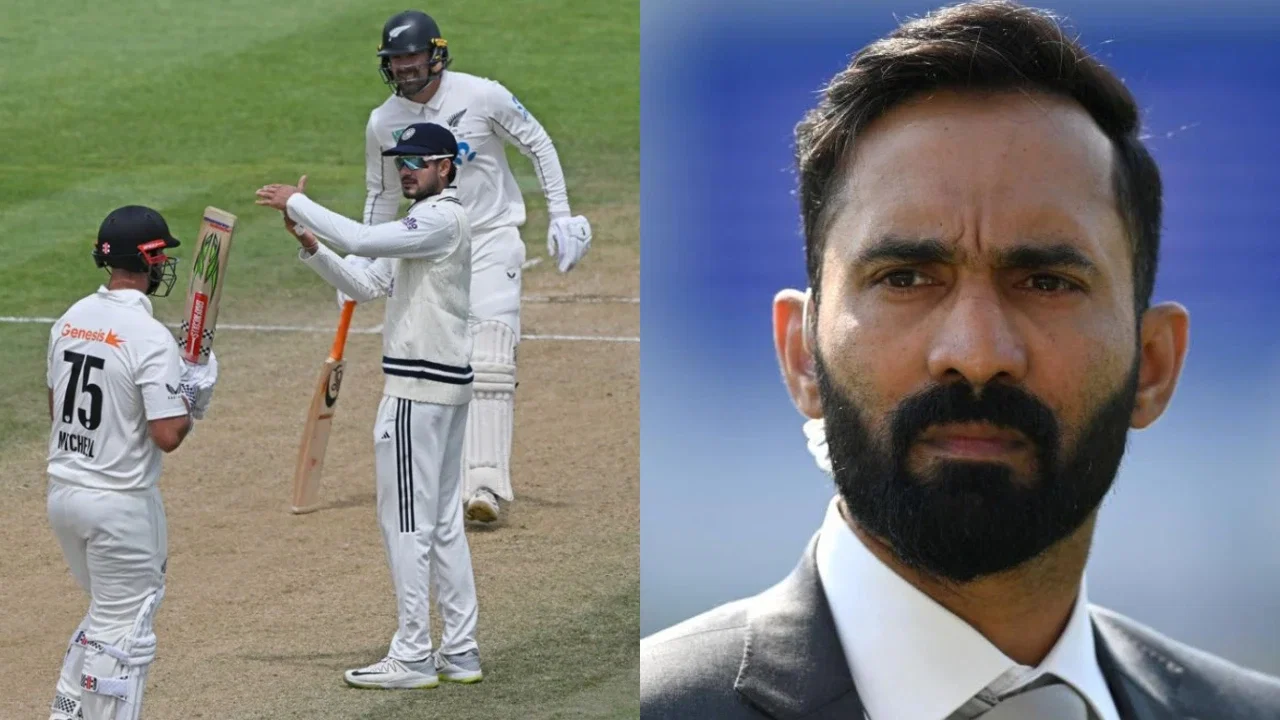
Ashwin also singled out New Zealand batter Daryl Mitchell’s demeanour during the closing stages. Mitchell appeared comfortable at the crease, interacting with players and the captain, and smiling as he continued to bat. Ashwin felt that this ease reflected a broader problem: India had not kept the contest tense enough while still pursuing a win.
He contrasted the scene with the intensity he associated with Kohli-led teams, saying that India’s players remained focused when they were chasing a result. Ashwin’s remarks were not simply about whether a batter should smile. Rather, he used Mitchell’s relaxed body language to illustrate how quickly a batting side can move into a more comfortable rhythm if the fielding team’s pressure drops.
In Test cricket, that distinction can matter. A batter who feels secure can take fewer risks, leave the ball more confidently and use time to frustrate the bowling side. By contrast, attacking fields and sustained pressure can encourage mistakes—even when the pitch is no longer offering much assistance.
Why Ashwin questioned the early handshake
The decision to end the match with around 15 overs remaining was another source of concern for Ashwin. He believed India could have continued to search for a breakthrough rather than bringing the contest to a close while five New Zealand wickets remained.
Even if the fast bowlers were tiring, Ashwin suggested that India had other options. The team could have turned to its spinners, brought close catchers into the field and tried to create a final burst of pressure. Such a plan would not have guaranteed a victory, particularly if the pitch and conditions were favouring the batters. But it could have given India another opportunity to force an error.
That is the central tension in a late-day Test situation: captains must weigh the possibility of a dramatic finish against the likelihood that the batting side can safely see out the remaining overs. Ashwin’s criticism was that India appeared to accept the draw before exhausting every realistic option.
WTC points reward wins, not dominance
Ashwin also placed the Wellington result in the context of the ICC World Test Championship (WTC), where points are awarded for results rather than for controlling long stretches of a match. India may have played well for much of the Test, but a draw did not deliver the same return as a victory.
“We dominated this Test match, but you’ve not nailed them, right? Nobody will give us points for dominating the Test match. Points come for winning,” Ashwin said, stressing that strong performances must be completed with the full 20 wickets when a win is within reach.
He added that New Zealand’s position near the top of the WTC standings made the missed opportunity more significant. India had placed the hosts in a difficult situation, Ashwin argued, and should have been frustrated that the advantage was not turned into a decisive result.
His assessment can be summed up through a simple prediction about the demands of the championship: teams that regularly convert promising positions into wins are more likely to remain in contention for the final. A draw can still be valuable, especially in challenging conditions, but repeated missed chances can prove costly across a long WTC campaign.
A debate about tactics, not just captaincy
Ashwin’s comments have also prompted a wider conversation about how India should approach the final hours of a Test. Aggression is not automatically the right answer in every situation. Captains must consider the state of the pitch, the condition of their bowlers, the number of overs available and the risk of allowing the opposition to escape with a win.
Still, the Wellington finish highlights the importance of making the opposition work until the final opportunity has passed. India’s challenge was not only to take wickets but to sustain the belief that a result remained possible. That can mean changing bowlers quickly, adjusting fields, using spin at the right moment and keeping the tempo high even when the ball is soft or the batters are well set.
For Ashwin, the concern was that India had been close enough to a victory to demand a more forceful finish. The draw preserved a respectable performance, but it also left the team without the WTC reward that a win would have brought. His criticism ultimately centres on execution: India had created pressure, yet did not maintain it long enough to complete the job.