India Make Two Changes for Fourth T20I Against New Zealand
India have made two changes to their playing XI for the fourth T20I against New Zealand at Eden Park in Auckland, with captain Shreyas Iyer opting to bowl after winning the toss on Friday, October 30. Ishan Kishan and Mayank Yadav have come into the side, replacing teenage batter Vaibhav Sooryavanshi and experienced seamer Bhuvneshwar Kumar.
The changes arrive with India already holding an unassailable 3-0 lead in the five-match series. Their latest victory came in Wellington, where they chased down New Zealand’s target by six wickets. Having won the toss in all four matches on the tour, Iyer continued that run and chose to bowl first, citing the conditions and India’s preference to maintain their aggressive approach.
India’s Playing XI for the Fourth T20I
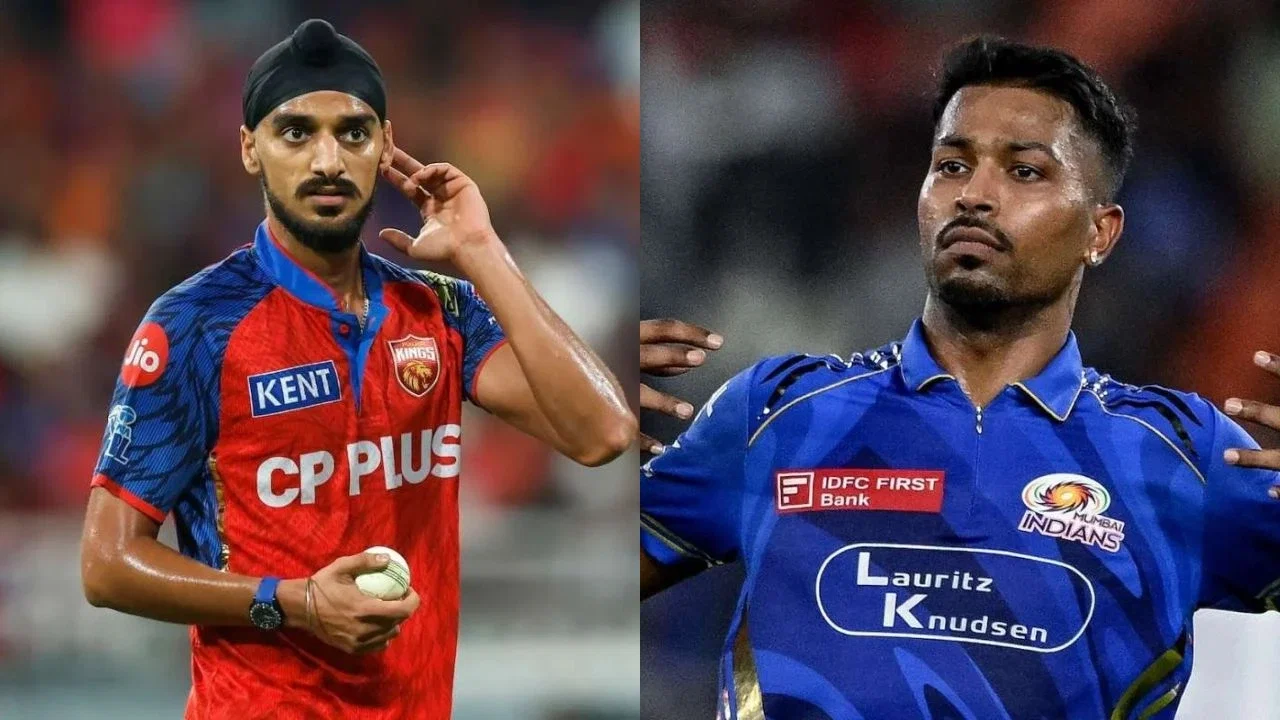
India’s lineup features Abhishek Sharma, Sanju Samson (wicketkeeper), Ishan Kishan, Shreyas Iyer (captain), Tilak Varma, Nitish Kumar Reddy, Naman Dhir, Axar Patel, Arshdeep Singh, Prince Yadav and Mayank Yadav.
Speaking after the toss, Iyer said India wanted to keep building on the positive intent shown in the previous match. He also noted that the team expected bounce and seam movement at Eden Park, conditions that could give the pace bowlers an early opportunity. With the series already secured, India will be looking to remain ruthless while also assessing players and combinations ahead of the final T20I.
Ishan Kishan Returns After Injury Absence
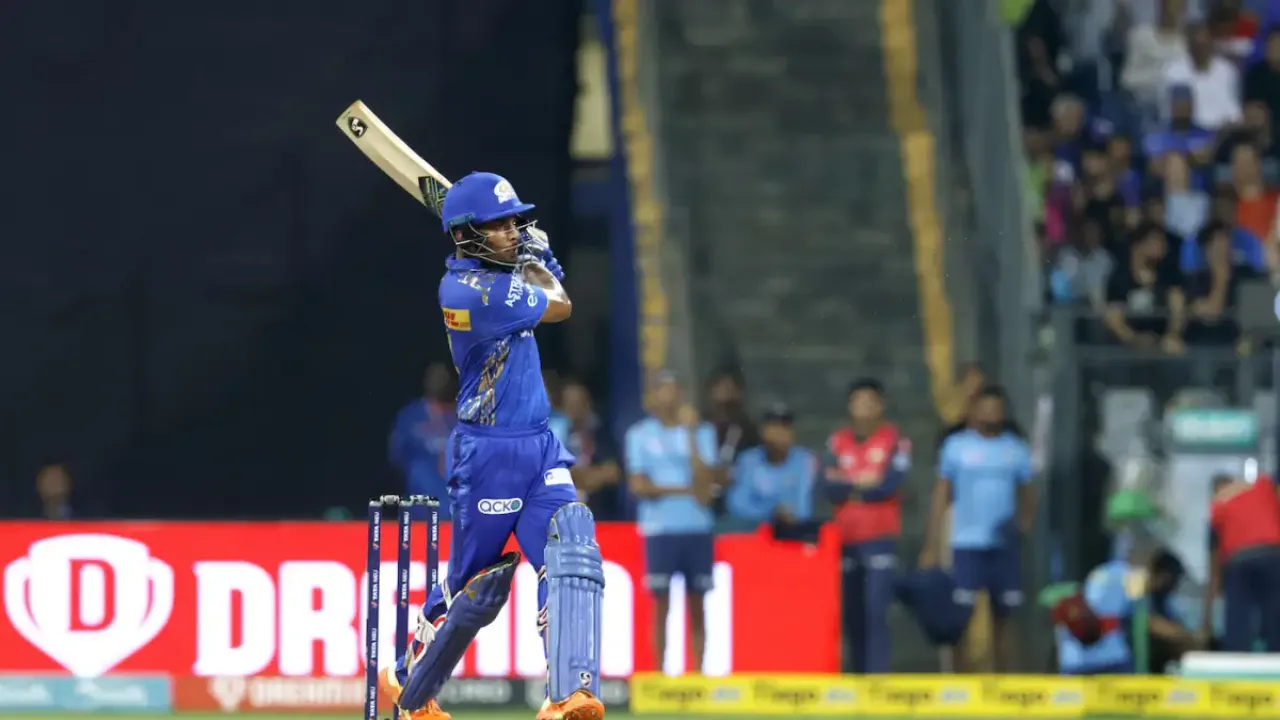
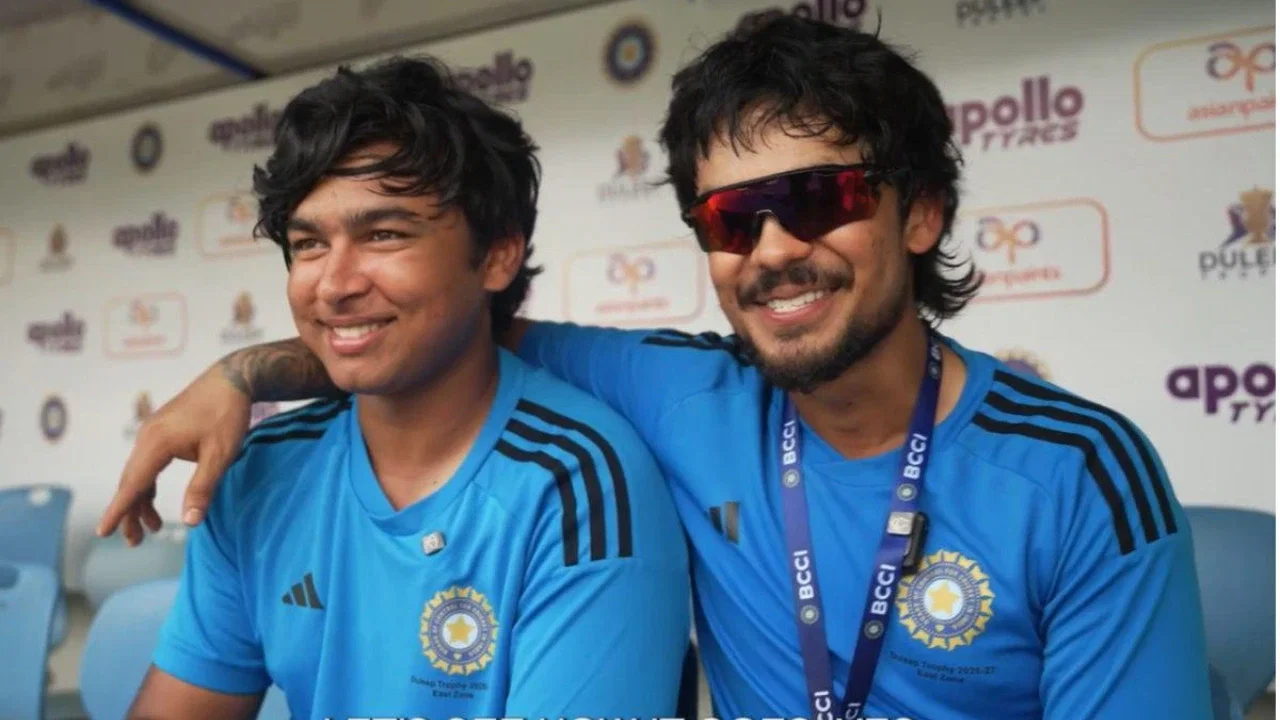
Kishan’s inclusion strengthens India’s batting options after he missed the previous two matches with a low-grade strain to his right adductor. His return gives the team another experienced top-order batter and a left-handed option who can score quickly in the powerplay or provide stability if an early wicket falls.
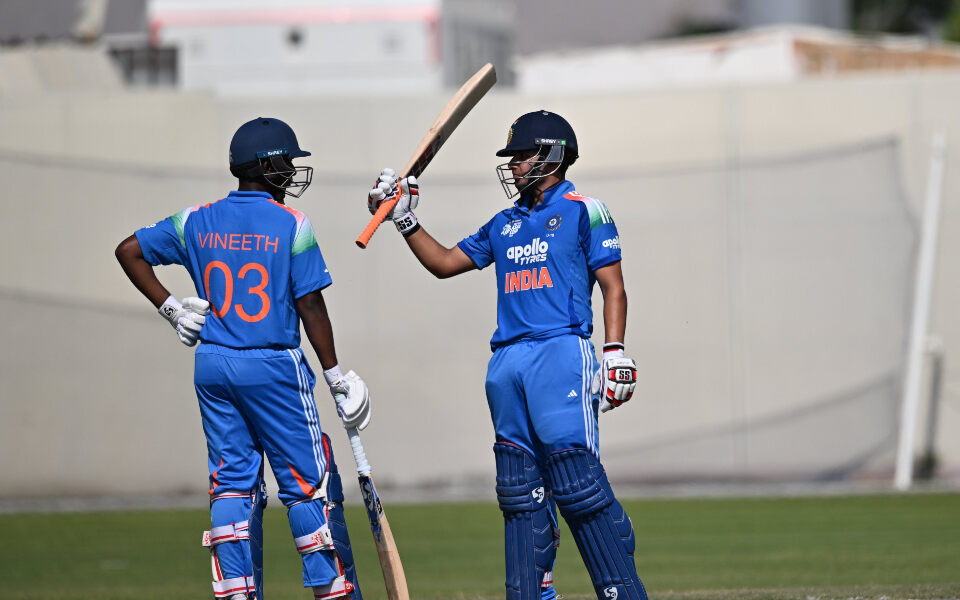
He replaces Sooryavanshi, who had made a striking impression in the third T20I. The teenage left-hander blasted 45 runs from just 19 deliveries in Wellington, helping India take control of the chase. His innings was part of a 133-run opening stand with Abhishek Sharma, assembled in only 7.1 overs. The partnership put New Zealand under immediate pressure and helped set up India’s six-wicket win.
Why Sooryavanshi Has Been Left Out
Sooryavanshi’s omission is a selection decision rather than a reflection of his impact in the previous game. His explosive 45 was the highlight of a dominant chase, but he had scored only four from eight balls in the second T20I in Christchurch. He also moved to No. 3 in that match while Kishan was unavailable, making his role in the batting order less settled.
In the third match, Sooryavanshi was dismissed by Matthew Fisher, who claimed the wicket with his first delivery in T20I cricket. A ball around leg stump encouraged the batter to make room and target the long-on boundary, but he did not connect cleanly. Daryl Mitchell ran in from the deep and completed the catch.
With the series decided, India’s decision to restore Kishan may also help the team evaluate its preferred batting combination. For Sooryavanshi, the experience of opening alongside Abhishek and producing a rapid partnership will remain a valuable milestone, even as he sits out this match.
Mayank Yadav Replaces Bhuvneshwar Kumar
The other change sees Mayank Yadav come into the XI for Bhuvneshwar, whose return to international cricket has been challenging. The veteran right-arm fast bowler has taken one wicket across the first three T20Is, conceding 139 runs in 12 overs at an economy rate of 11.58.
Bhuvneshwar’s toughest outing came in the first match in Christchurch, where he finished without a wicket and gave away 49 runs. He conceded 21 runs across his second and third overs before New Zealand added another 14 in his final over. The figures reflected a difficult night in which the hosts were able to find boundaries regularly.
He picked up his only wicket of the series in the second T20I, dismissing Mitchell for six. However, Bhuvneshwar still conceded 50 runs from four overs. Mitchell mistimed a knuckleball and was caught by Tilak Varma at cover-point. In Wellington, the seamer again went wicketless, giving up 40 runs in his four overs.
Mayank’s selection offers India an opportunity to assess a different pace-bowling option in conditions expected to provide some assistance. Eden Park’s surface and boundaries can produce a fast-scoring contest, so controlling the length and limiting scoring opportunities will be crucial for both teams.
Fourth T20I Prediction: What to Watch at Eden Park
India enter the match with confidence after three consecutive wins, but New Zealand will be eager to respond in front of their home crowd. The hosts have little to lose in the series standings and can use the final two games to test their combinations and build momentum for future fixtures.
The toss decision points to India’s expectation that the new ball may offer movement. If the seamers find early swing or bounce, New Zealand’s top order could face a demanding start. On the other hand, Eden Park is known for its potential to produce high-scoring T20 cricket, so a strong powerplay could quickly shift the balance.
For India, the key questions include how quickly Kishan settles back into the lineup and whether Mayank can make an impact with the ball. Abhishek Sharma’s form at the top will also be important after his rapid partnership with Sooryavanshi in the previous game. A successful return for Kishan, combined with another assertive batting display, would give India further confidence ahead of the series finale.
Any match prediction remains dependent on conditions, execution and the first few overs. India have the advantage of a winning run and a settled core, while New Zealand will be motivated to avoid a series whitewash. With the trophy already secured, the fourth T20I is also a chance for India to sharpen their depth and identify which players can make the strongest case for a regular role.