Yashasvi Jaiswal’s White-Ball Future: Three Selection Decisions That Could Shape His Career
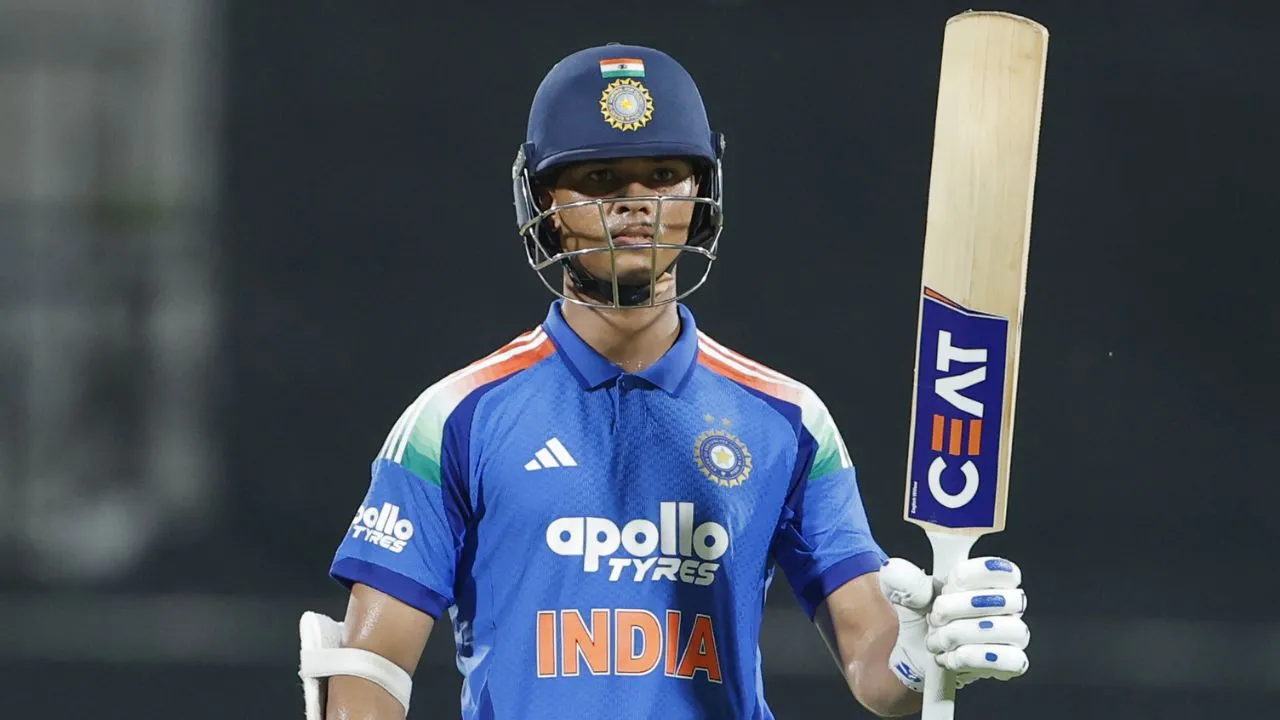
Yashasvi Jaiswal has already shown that he belongs on cricket’s biggest stages. The left-handed opener combines a confident attacking game with the technique to handle demanding bowling, qualities that have helped him establish himself in India’s Test side. Yet his place in the country’s white-ball plans remains far less certain.
That uncertainty matters as India looks ahead to the 2027 ODI World Cup. Jaiswal has the tools to become a valuable player across formats, but talent alone cannot secure a lasting international career. Regular opportunities, a defined role and clear communication from selectors are also crucial. Without them, a promising batter may find it difficult to build momentum in ODIs and T20Is.
Three aspects of India’s selection approach have prompted questions about whether Jaiswal is receiving the support he needs to develop as a white-ball player. They do not prove that his career is being derailed, but they highlight a challenge facing both the batter and the team management: how to balance competition for places with long-term planning.
1. Treating an all-format prospect mainly as a Test batter
Jaiswal has made a strong impression in Test cricket, where his patience, shot-making range and ability to score quickly have all been on display. That success has naturally made him a key part of India’s red-ball plans. The concern is that his progress in Tests could overshadow his potential in limited-overs cricket.
His aggressive instincts appear well suited to the modern white-ball game. In ODIs, an opener must make the most of the fielding restrictions while also building an innings that can last beyond the powerplay. In T20Is, quick scoring and the ability to attack different types of bowlers are essential. Jaiswal’s style gives him a credible case in both formats, provided he is given enough opportunities to adapt and demonstrate consistency.
Being labelled a Test specialist too early could limit that development. White-ball batting requires its own rhythms: players must judge risk, manage changing field settings and respond to different match situations. Those skills are strengthened through regular competition, not occasional appearances. If Jaiswal is considered only when other options are unavailable, he may struggle to establish the familiarity and confidence needed to perform consistently.
For the selectors, the question is not simply whether Jaiswal can play white-ball cricket. It is whether India has a clear development plan for him across formats. A player with his range should be assessed on a meaningful run of matches rather than a handful of isolated chances.
2. Expecting results without providing consistent match time
International selection is fiercely competitive, particularly at the top of India’s batting order. In T20Is, players such as Sanju Samson and Abhishek Sharma are competing for limited places, while emerging talents add further pressure. In ODIs, established openers including Rohit Sharma and Shubman Gill have occupied prominent roles. These realities make selection difficult, but they also make consistency in decision-making more important.
Jaiswal’s recent ODI selection history, as described in the original report, illustrates the stop-start nature of his opportunities. After an unbeaten 110 against Afghanistan in June 2026, he was left out of the ODI series against England. He was later included in the squad for the West Indies series in September, but did not make India’s ODI squad for the New Zealand tour.
Such changes can leave a player uncertain about what is required to earn a sustained place. One significant innings may not be enough to secure selection, while missing out on subsequent matches makes it harder to build on that performance. For a young batter, regular game time provides more than a chance to score runs: it helps develop judgment, sharpen decision-making and build confidence under international pressure.
That does not mean a player should be guaranteed selection regardless of form. Competition is a vital part of a strong team. But selectors must weigh performance alongside opportunity. If a batter is repeatedly brought into a squad and then left out, it becomes difficult to assess his true value in the format or give him a fair chance to settle into a role.
3. Leaving his long-term role unclear
The biggest issue may be uncertainty over how India sees Jaiswal fitting into its future plans. Is he being groomed as an opener across all formats, or is the team primarily counting on him for Test cricket? In ODIs, the established partnership options at the top have made it challenging to find space for another opener. In T20Is, competition is equally intense, with selection shaped by team balance and the demands of each series.
Batting coach Sitanshu Kotak reportedly said in September 2026 that Jaiswal remains part of India’s plans. That reassurance is valuable, but repeated absences from ODI squads can still create confusion. A general statement of support is not a substitute for a clear explanation of the player’s role, the areas he needs to improve and the opportunities he can expect to receive.
Clear communication benefits both sides. Jaiswal would know whether he should focus on strengthening a particular format or preparing for a specific position. The team, meanwhile, could manage his development with greater purpose—perhaps by giving him a defined run at the top of the order or outlining how he fits into the plans for the 2027 World Cup.
What this could mean for India’s 2027 World Cup plans
India’s challenge is to balance established performers with players who could become central to the next generation. Jaiswal’s age and skill set make him an intriguing option, but his World Cup prospects will depend on more than reputation. He will need opportunities to show that he can deliver in the 50-over format, while the selectors will need to decide whether his strengths complement the team’s existing batting order.
A sensible prediction is that Jaiswal’s white-ball future will depend on a combination of role clarity and sustained performance. If he receives a consistent opportunity, he can make a stronger case for selection and give India more information about how he handles different conditions and match situations. If his appearances remain sporadic, uncertainty is likely to continue—not necessarily because he lacks ability, but because the team has not built a clear pathway for him.
Jaiswal’s talent is not in question. The key issue is how India manages it. A thoughtful selection strategy, regular chances when appropriate and honest communication could help him develop into a genuine all-format option. As the countdown to the 2027 ODI World Cup continues, the decisions made now may determine whether one of India’s most promising young batters becomes a fixture in white-ball cricket or remains an occasional selection.