India vs New Zealand First Test Ends in Draw as WTC Qualification Race Tightens
India and New Zealand played out a draw in the first Test at Wellington’s Basin Reserve after a match that swung from an early home-side collapse to a substantial Indian lead—and finally to a determined New Zealand rearguard. The result leaves both teams with work to do in the ICC World Test Championship (WTC) 2025–27 race, while placing added importance on the next meeting between the sides.
India appeared to have seized control after reducing New Zealand to 70 for five in the opening innings and then building a commanding lead. But centuries from Henry Nicholls and Glenn Phillips rescued the hosts, and New Zealand’s batters showed patience in the second innings to keep India from forcing a result. The draw will feel like a missed opportunity for India, who needed a strong run of victories to remain on course for a place in the WTC final.
New Zealand recover from early trouble
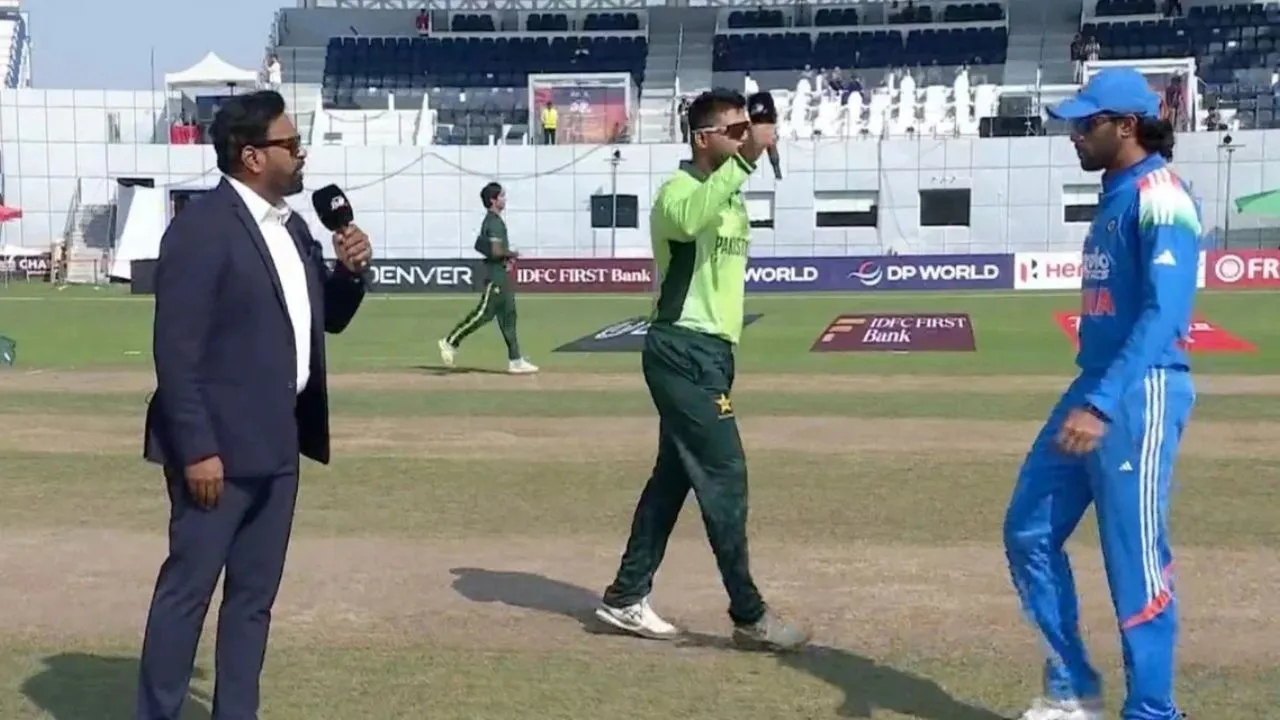
After winning the toss, India chose to field and made an immediate impact with the ball. Their pace-heavy attack put New Zealand under pressure, taking five wickets before the hosts had reached 70. At that stage, India looked well placed to dismiss New Zealand for a modest total and establish control of the Test.
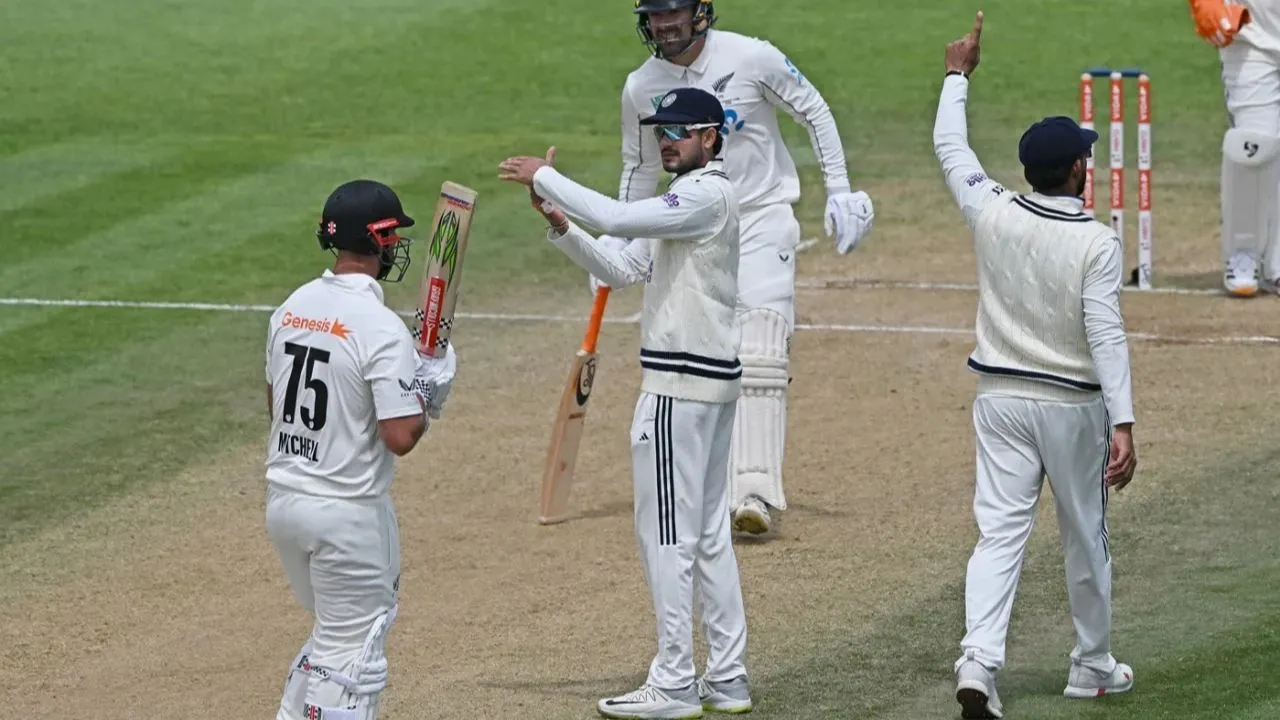
Nicholls and Phillips had other plans. The pair rebuilt the innings through a long, disciplined partnership, turning a precarious position into a competitive first-innings total. Nicholls produced a determined 175, mixing careful defence with well-timed scoring, while Phillips added an impressive 118. Their hundreds transformed the momentum of the match and lifted New Zealand to 368.
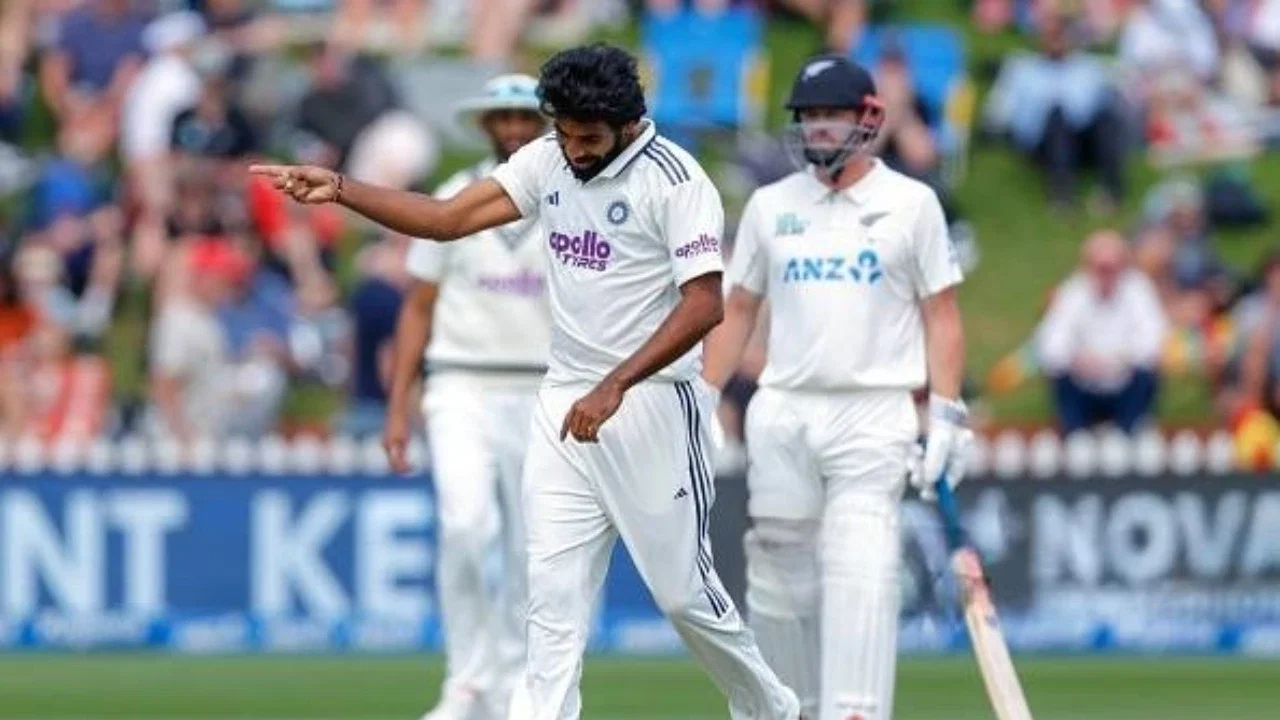
Jasprit Bumrah led India’s response with four wickets for 92 runs from 29 overs, while Akash Deep claimed three on his return to the side. India’s bowlers had created the opening they wanted, but Nicholls and Phillips ensured that New Zealand’s first innings would be remembered for its recovery rather than its collapse.
India build a huge first-innings advantage
India began their reply with an important opening stand between Yashasvi Jaiswal and KL Rahul. The partnership gave the visitors a steady platform, with Jaiswal contributing 85 and Rahul anchoring the innings with 136. Rahul’s patient century was especially valuable after New Zealand had worked hard to make early inroads.
India’s middle order then extended the advantage. Devdutt Padikkal scored 80, while Shubman Gill fell just short of a century with 98. Rishabh Pant marked his return with a commanding 128, combining attacking strokes with the composure needed to keep the innings moving. Dhruv Jurel added a brisk 78, helping India reach 720 for nine declared.
The total gave India a first-innings lead of 352 runs and appeared to put the visitors firmly in position to push for victory. Pant’s comeback innings was among the standout performances of the match, while the contributions from Rahul, Gill, Padikkal and Jurel meant India’s scoring was not dependent on one batter alone.
New Zealand hold firm to secure the draw
With a large deficit to overcome and limited time remaining, New Zealand’s second innings was shaped by survival. The hosts focused on occupying the crease, protecting their wickets and gradually draining the time available to India. Their approach reduced the chances of a dramatic chase but made a successful result for the visitors increasingly difficult.
India did make progress, taking five wickets, and there were moments when the bowlers looked capable of creating a late opening. However, New Zealand’s batters resisted long enough to ensure that India could not complete the job before the match ended. The draw reflected both sides’ contrasting strengths: India’s ability to build a huge total and New Zealand’s resolve under pressure.
WTC points table: what the draw means for India and New Zealand
The result has consequences beyond the match itself. New Zealand slipped to third in the WTC standings, with a points percentage (PCT) of 66.67%, according to the figures provided. The team had previously been at the top after the South Africa–Australia series, but South Africa’s victory over Bangladesh moved the Proteas into first place.
For India, the draw makes an already demanding qualification path more difficult. Before this Test, the team needed to win six of its final seven matches to remain on course for the WTC final. With one game now completed without a victory, India’s margin for error has narrowed considerably. The remaining schedule includes the next Test against New Zealand and five matches against Australia at home.
That situation gives India little room for another slip. Winning the remaining matches would strengthen their position, but the team will also need to consider how results elsewhere affect the standings. In the WTC, a draw can be costly because it awards fewer points than a win, even when a team has controlled significant portions of the contest.
Second Test becomes a crucial opportunity
The second Test is scheduled to begin in Christchurch on November 27. It now carries added significance for both teams: India need a win to revive their qualification campaign, while New Zealand will be eager to turn their resilience in Wellington into a series advantage and improve their standing in the championship race.
India can take confidence from their batting depth and the substantial first-innings lead, but the Wellington draw also highlights the need to convert dominance into a result. New Zealand, meanwhile, will draw encouragement from the recovery led by Nicholls and Phillips and the patience shown in the second innings.
Prediction: The next Test could hinge on how effectively India’s bowlers manage New Zealand’s middle order and whether India can maintain their batting momentum without allowing the hosts to dictate the pace. After a draw that left both sides with unfinished business, the Christchurch match promises to be a pivotal contest in the series—and an important chapter in the WTC 2025–27 qualification race.