MCC Says It Cannot Compel Players to Shake Hands Amid India-Pakistan Cricket Tensions
The Marylebone Cricket Club (MCC) has acknowledged that it cannot require cricketers to shake hands with their opponents, even as it continues to champion the gesture as part of the game’s longstanding traditions. Fraser Stewart, the MCC’s Head of Cricket, said the club’s influence is limited to conduct on the field and does not extend to political decisions or instructions that may shape players’ actions.
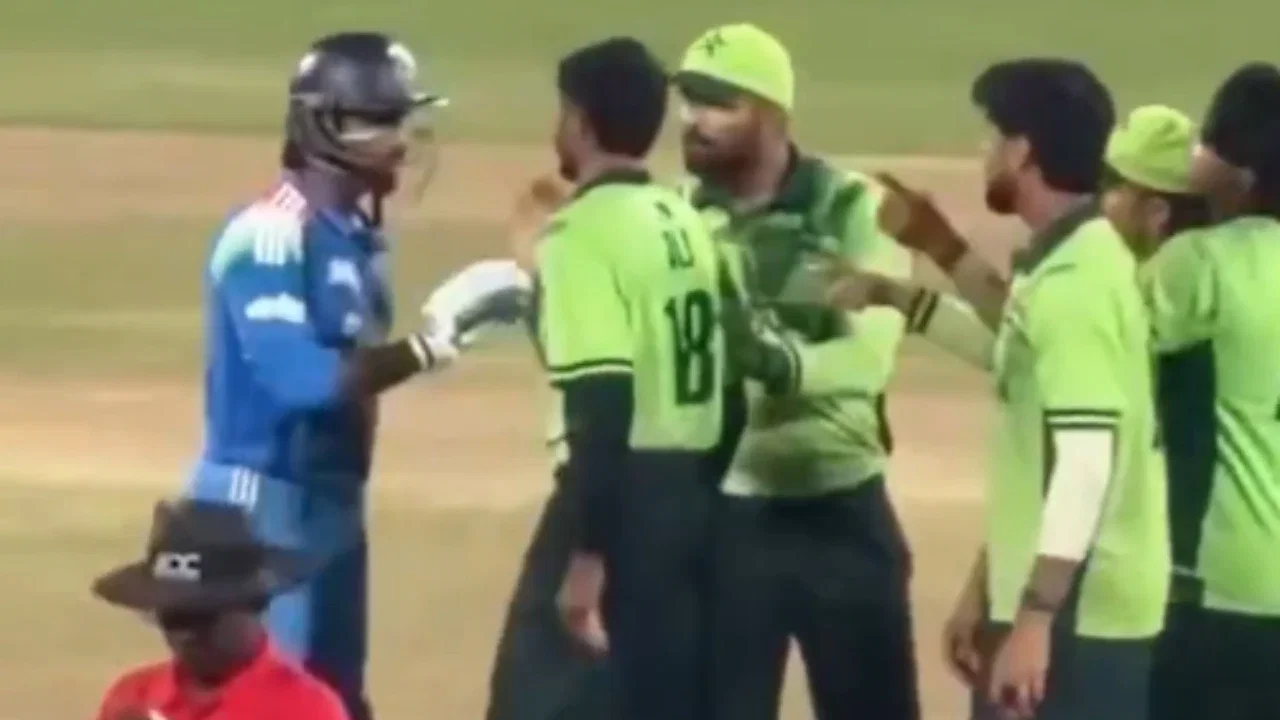
The debate has become especially visible during India-Pakistan matches, where teams have repeatedly avoided customary handshakes since tensions escalated following the Pahalgam terror attack in April 2025. While the gesture is widely associated with respect and sportsmanship, neither the International Cricket Council’s regulations nor the Laws of Cricket make handshakes compulsory. Players therefore retain the choice to exchange them—or not.
Fraser Stewart: Some Issues “Transcend Cricket”
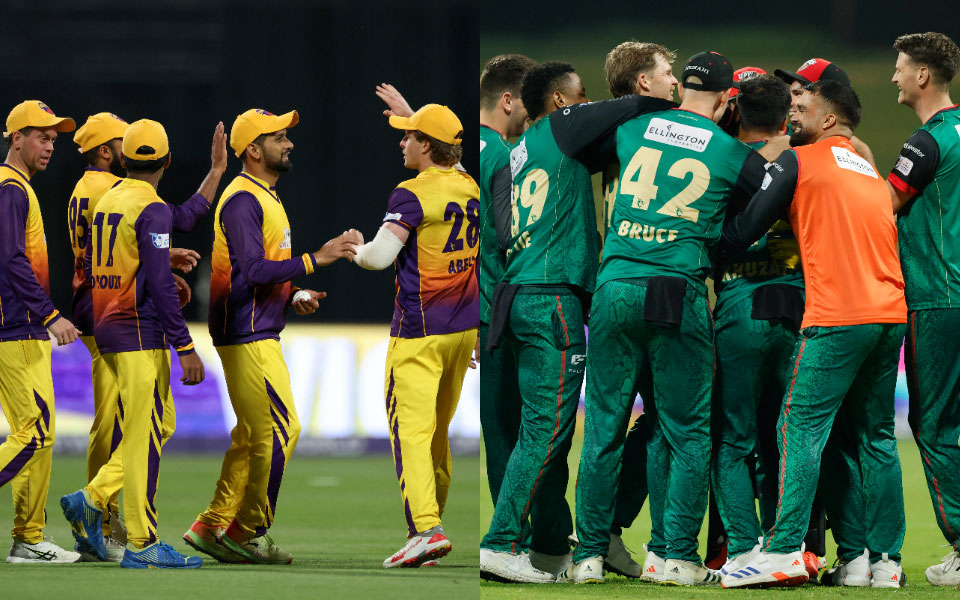
Speaking on the sidelines of the ILT20 in Sharjah, Stewart was asked whether it was becoming more difficult to protect the Spirit of Cricket as players continued to refuse handshakes. He said the MCC could not comment on geopolitical matters that sit beyond the organisation’s remit.
“There are certain instances that transcend cricket and come from a level that’s above my station to talk about geopolitical situations,” Stewart said.
He explained that the MCC would prefer to see players acknowledge one another, but stressed that its practical responsibility is to promote respectful behaviour during play. That includes treating opponents fairly, respecting umpires and recognising their authority, as well as upholding the integrity of the game.
Stewart added that the MCC cannot intervene if players receive instructions from outside cricket. “If there are edicts coming from above about handshakes, that’s not something that MCC can control,” he said, while reiterating that the club would welcome the return of the traditional exchange.
Why Handshakes Are Not a Rule in Cricket
Handshakes are a familiar part of cricket’s sporting culture, often seen before a match at the toss or after play has concluded. They offer a visible way for players to recognise their opponents and acknowledge the contest, regardless of the result. But the gesture is a convention rather than a formal requirement under the game’s laws.
That distinction matters. The MCC can promote the values associated with the Spirit of Cricket, but it cannot penalise players simply for declining to shake hands. On-field expectations still centre on fair play, respect for officials and compliance with the rules. A handshake may carry symbolic weight, but its absence does not, by itself, constitute a breach of cricket’s laws.
The issue also illustrates how sporting traditions can take on wider significance when matches are played amid political tension. For supporters, a handshake—or the decision to withhold one—can become a powerful signal. For players and administrators, however, the reasons behind such decisions may extend well beyond the boundary.
How the India-Pakistan Handshake Boycott Developed
The current series of handshake refusals became particularly prominent during the men’s Asia Cup in Dubai in September 2025. At the toss for the group-stage match, India captain Suryakumar Yadav and Pakistan skipper Salman Ali Agha did not exchange the customary greeting.
India went on to win by seven wickets. After the match, Suryakumar and Shivam Dube left the field without shaking hands with their opponents, while the Indian team did not enter the usual post-match interaction. Suryakumar dedicated the victory to the victims of the Pahalgam attack and to the Indian armed forces.
Salman Ali Agha did not attend the post-match presentation. The Pakistan Cricket Board (PCB) also lodged a complaint against match referee Andy Pycroft, alleging that he had advised the captains not to shake hands at the toss. The dispute briefly raised questions about whether Pakistan would continue in the tournament, adding an administrative dimension to an already sensitive sporting moment.
The lack of handshakes continued in later matches, including the Asia Cup Super Four meeting and the final. The pattern then appeared in other competitions, extending the controversy beyond one tournament or one team.
From Senior Teams to Age-Group Cricket
In October 2025, the Indian women’s team also avoided the customary handshake during the Women’s Cricket World Cup. The practice subsequently appeared in age-group cricket: India Under-19 captain Ayush Mhatre and Pakistan Under-19 skipper Farhan Yousaf did not exchange handshakes during their meeting at the ICC Under-19 World Cup in February.
The teams also skipped the gesture during their men’s T20 World Cup group-stage match in Colombo. These repeated incidents have made the handshake question a recurring talking point for broadcasters, fans and cricket officials, with each match renewing debate about sportsmanship, personal choice and the limits of sporting authority.
Latest Incident Adds to the Debate
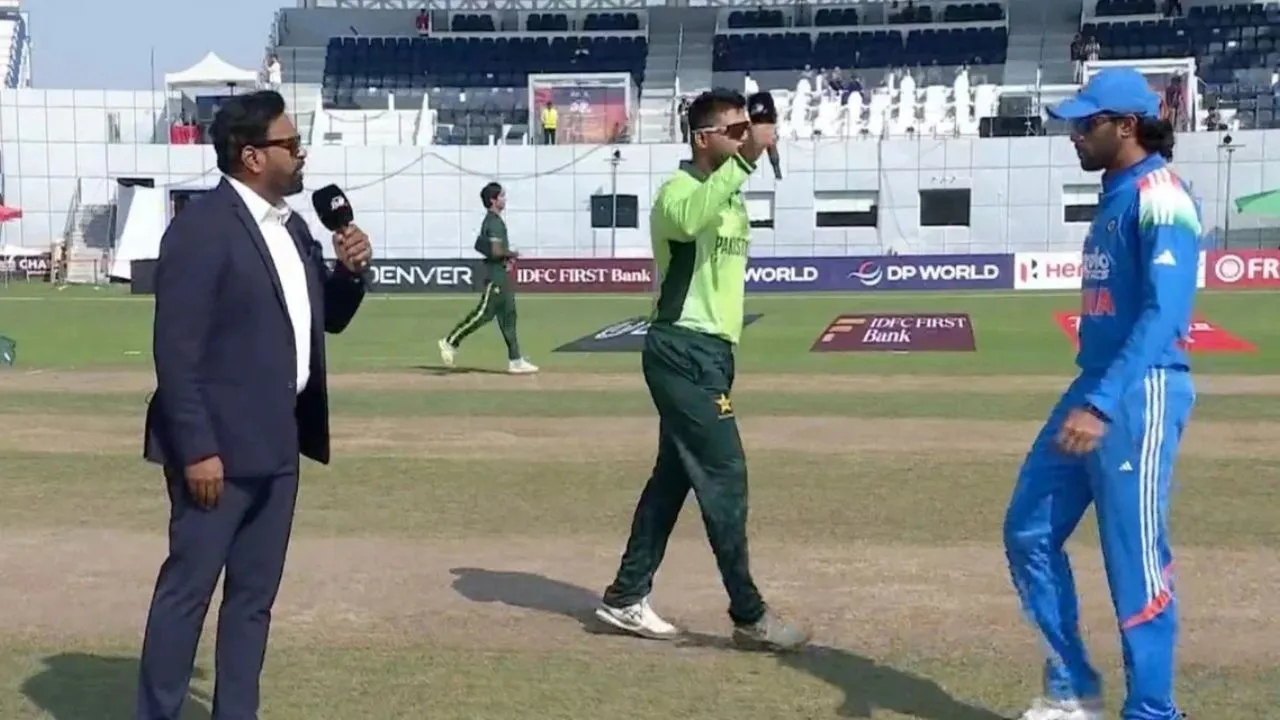
The latest reported episode took place in Doha during Sunday’s ACC Men’s Asia Cup Rising Stars match between India A and Pakistan A. Captains Tilak Varma and Abdul Samad did not shake hands at the toss, and the teams also avoided post-match handshakes after Pakistan A won by 48 runs.
The result was clear on the scoreboard, but the absence of the customary exchange again drew attention to the broader context surrounding India-Pakistan fixtures. With the gesture now repeatedly absent across senior, women’s and youth competitions, the issue has become more than a question of match-day etiquette.
What Happens Next?
For now, the MCC’s position is that it can advocate for respect and uphold cricket’s established standards, but it cannot compel a handshake. Whether the tradition returns will likely depend on circumstances beyond the Laws of Cricket, including decisions made by players and any guidance they receive from their respective authorities.
That leaves the handshake debate without a simple prediction. The gesture may remain a valued symbol of sporting respect, yet its future in high-profile India-Pakistan matches will be shaped by the wider climate around the rivalry. As Stewart’s comments make clear, cricket can set expectations for conduct on the field—but it cannot resolve every issue that enters the game with the players.