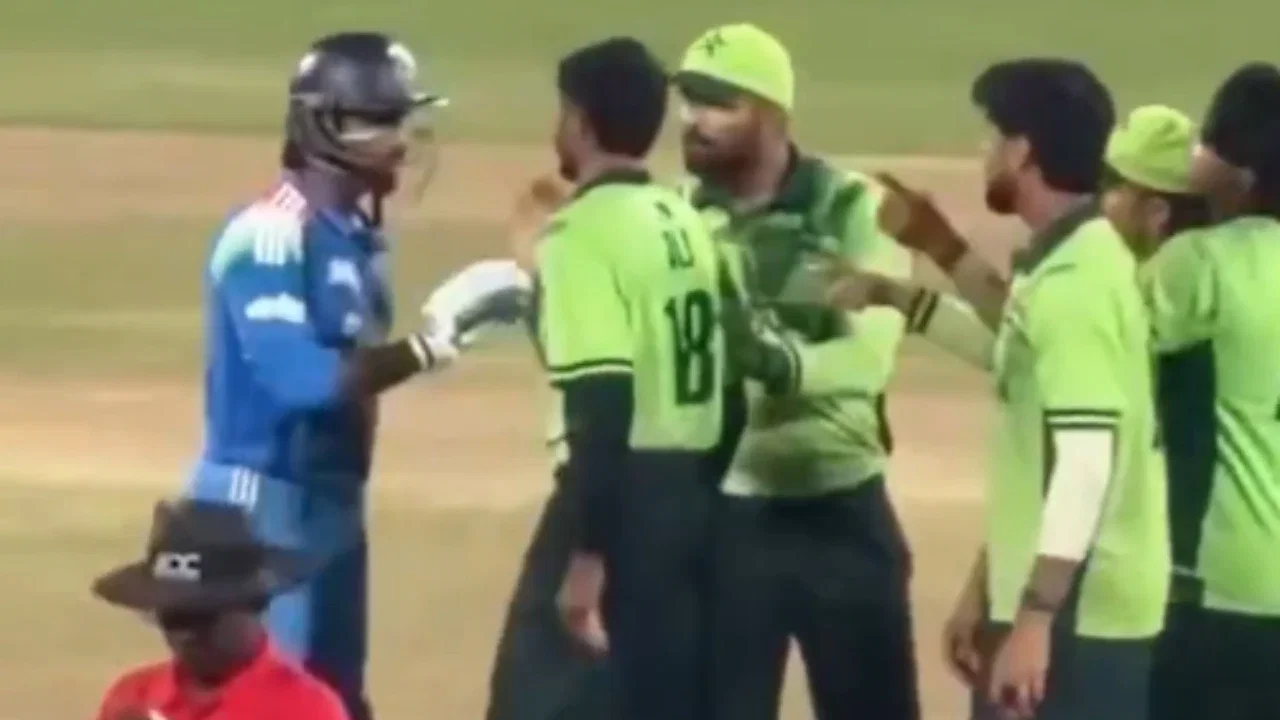
Tilak Varma Caught in Heated Exchange After Controversial Dead-Ball Call in India A vs Pakistan A Clash
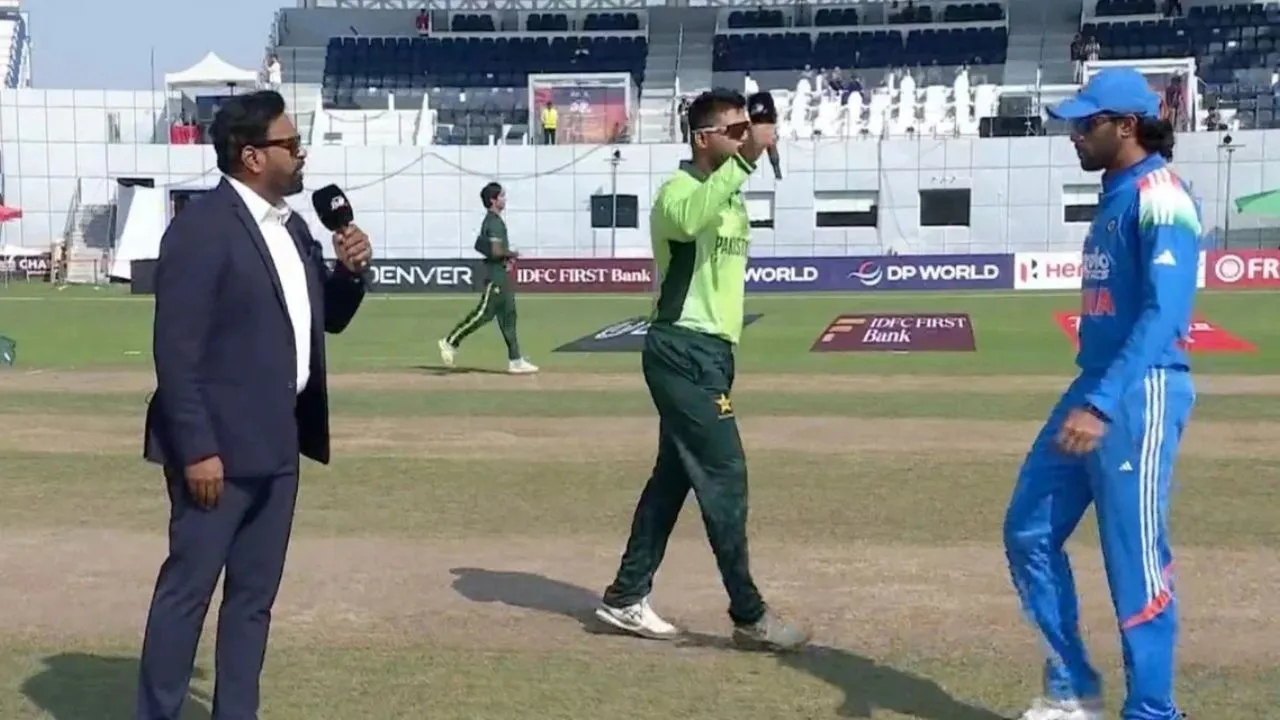
A tense moment overshadowed the India A vs Pakistan A contest at the ACC Men’s Asia Cup Rising Stars 2026 in Doha on Sunday, November 22, when India A captain Tilak Varma became involved in a heated exchange with Pakistan A players. The dispute followed a controversial dead-ball decision during India’s run chase, adding another flashpoint to an already high-pressure encounter.
India A were pursuing Pakistan A’s target of 314 at West End Park International Cricket Stadium when the incident unfolded early in the 44th over. The umpires ruled that a delivery from Pakistan fast bowler Ali Raza did not count after noticing Varma’s position at the non-striker’s end. Pakistan’s players strongly questioned the call, and the disagreement briefly brought play to a halt.
What Happened During the Dead-Ball Incident?
Ali Raza was preparing to bowl to Shahbaz Ahmed, with Varma at the non-striker’s end. As Raza approached the crease, Varma was positioned on the same side of the pitch from which the bowler was running in. Raza completed his delivery stride and sent down a near-yorker, which Shahbaz managed to block back towards the bowler.
The on-field umpire then called the ball dead, meaning the delivery had to be bowled again. The decision appeared to be connected to Varma’s position and the circumstances of Raza’s approach. In cricket, umpires can call a dead ball when they believe an unusual event has affected the delivery or when play has not proceeded in a valid manner. However, the precise interpretation can be disputed in the heat of a match, particularly when a ruling changes the status of a delivery.
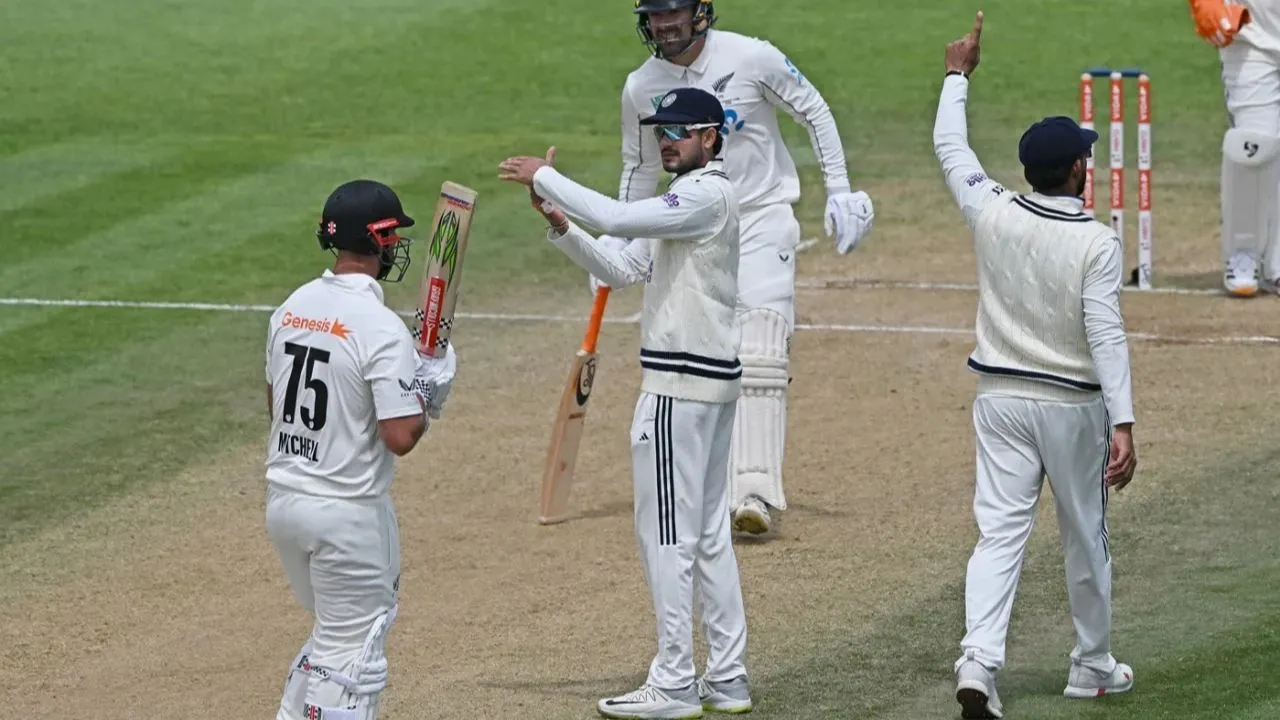
Pakistan A captain Abdul Samad, Raza and Ahmed Daniyal were among the players who challenged the decision. Several Pakistan players gathered near Varma, and a verbal exchange developed close to the umpires. Varma also spoke directly with Samad as both sides attempted to make their case.
Umpires Step In to Restore Order
The officials intervened to separate the players and calm the situation. Once the discussion ended, Raza bowled the delivery again, and Shahbaz took a single. The match resumed, but the confrontation quickly became one of the most talked-about moments from the Doha fixture.
On-field disagreements are not unusual in high-stakes cricket, where a single ruling can influence momentum, field settings and a team’s tactical options. A dead-ball call can be especially contentious because it removes a delivery from the contest and requires the bowler to repeat the effort. In a tense chase, even a brief interruption can intensify emotions on both sides.
Video of the exchange circulated on social media after the match, drawing attention from fans following the India-Pakistan rivalry. The incident also renewed discussion about player conduct and the importance of clear communication between umpires and teams when a decision is challenged.
India A Fall Short Despite Tilak Varma’s Century
The argument was only one part of a difficult evening for India A. Pakistan A secured a 48-run victory after setting a target of 314, leaving Varma’s side unable to complete the chase. Varma produced a determined century and kept India A in contention, but the required scoring rate and the loss of wickets proved difficult to overcome.
After the game, Varma reflected on the partnerships that had helped sustain the pursuit. He praised the early contribution from Abhishek and highlighted the stand he shared with Shahbaz, saying the partnership had been important to India A’s hopes. He also suggested that Shahbaz’s dismissal came at a crucial stage, when the team was looking to accelerate.
Varma said that if Shahbaz had stayed at the crease for another couple of overs, he might have been able to guide the chase to the finish. He added that winning remained more important to him than reaching a personal milestone, while explaining that his aim had been to take the chase as deep as possible.
Post-Match Comments Draw Fan Criticism
Some fans criticised Varma’s comments, interpreting his remarks about Shahbaz’s dismissal as placing too much responsibility on a teammate. Others viewed them as a straightforward assessment of how the partnership ended and how the chase unfolded. In a close match, post-game comments can be scrutinised just as closely as decisions made on the field, especially when a captain discusses a teammate’s role in a defeat.
Varma’s century was a major individual contribution, but the result underlined how demanding a target above 300 can be. Successful chases at that level typically require several batters to contribute, maintain a strong run rate and preserve wickets for the final overs. A single partnership can provide a platform, but the team still needs further support to convert a promising position into victory.
Prediction: What the Incident Means for India A and Pakistan A
The dead-ball controversy is unlikely to define either team’s tournament campaign on its own, but it adds another layer of intensity to a rivalry that attracts close attention at every level of cricket. The immediate focus for India A will be on reviewing the chase, improving its middle- and lower-order contributions, and ensuring that a strong individual innings is backed by sustained partnerships.
Pakistan A, meanwhile, will take confidence from defending a challenging total and managing pressure during a tense passage of play. The prediction for future meetings is that emotions will remain high, but disciplined decision-making—both from players and officials—will be essential. If the sides meet again, the result may depend less on a single confrontation and more on execution across the full 50 overs.
For now, the Doha match will be remembered for both Varma’s fighting century and the heated exchange sparked by the umpire’s dead-ball ruling. The episode highlighted how quickly a disputed call can become a major talking point, while the 48-run result gave Pakistan A the final say in a contest filled with drama.