Azam Khan Calls Out Toxic Online Abuse in Pakistan Cricket Fan Culture
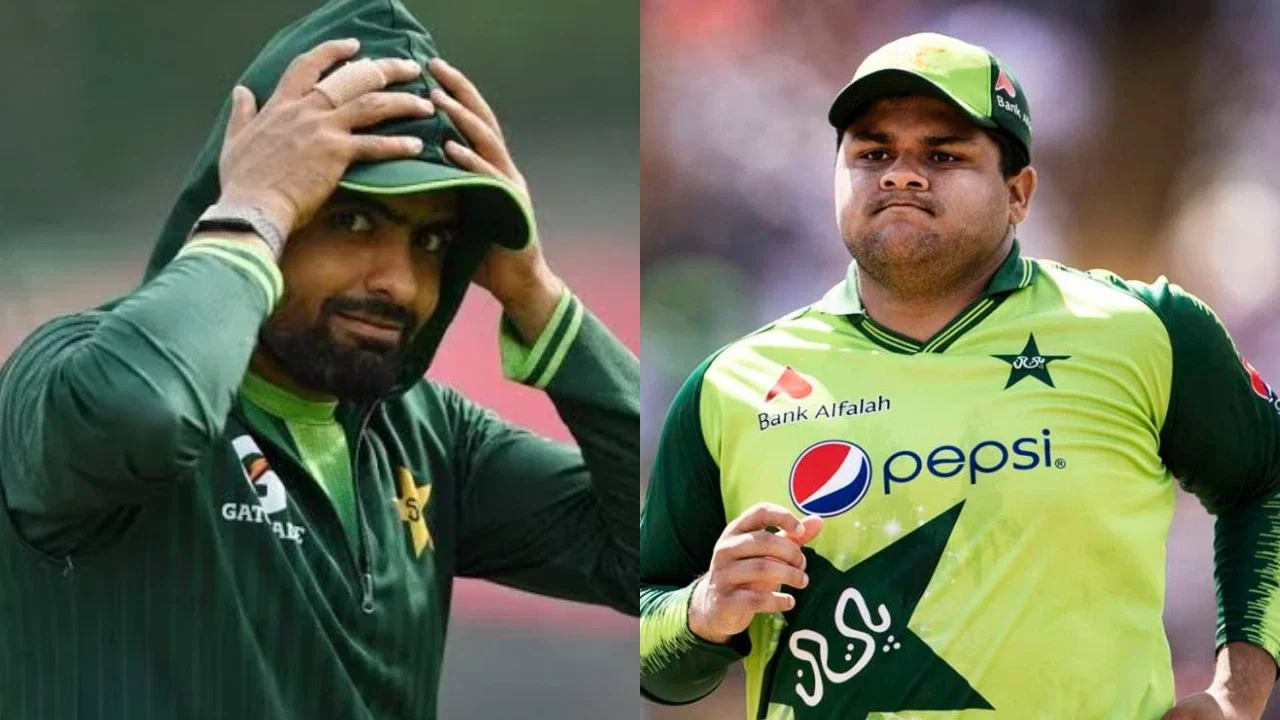
Pakistan wicketkeeper-batter Azam Khan has spoken candidly about the abuse some cricketers receive on social media, describing parts of the country’s online fan culture as deeply troubling. Recalling a threatening message he received while playing alongside Babar Azam, Khan said the incident showed how support for a favourite player can cross the line into personal harassment.
His comments have renewed discussion about the pressure athletes face online, where criticism of performances can quickly turn into attacks on players and their families. Khan also defended Babar’s ability as a cricketer, arguing that hostile behaviour from sections of his fanbase should not be confused with the batter’s own character or form.
A threat linked to Babar Azam’s century
Speaking on the Backward Point Cricket Podcast, Khan described an incident from Pakistan’s tour of Ireland. He was batting with Babar during a chase, with the former Pakistan captain reportedly in the mid-70s and the team needing around 40 more runs to win.
While the pair were at the crease, someone left a comment on one of Khan’s Instagram posts threatening harm to his parents if he prevented Babar from reaching a century. Khan recalled that the message included disturbing references to his mother and father.
“Somebody commented on my Instagram picture that if you stop Babar’s century, your mom will die and your dad will get cancer,” Khan said. He described the experience as shocking and criticised the extreme conduct of some cricket supporters online.
The episode illustrates how a sporting milestone can become the focus of unhealthy online fixation. A batter’s personal score is part of the game, but threats against a teammate—or a player’s family—have no place in cricket discussion. Khan’s account also highlights a wider challenge for athletes: social media makes it easy for supporters to contact players directly, but it can also expose them to abuse that would be unacceptable in person.
“There’s nothing wrong with Babar and his game”
Khan was careful to distinguish his criticism of fan behaviour from his view of Babar as a player. He said he did not believe there was anything fundamentally wrong with Babar’s game and expressed confidence that the batter could return to strong form.
At the same time, Khan suggested that aggressive supporters can make an already difficult period more stressful for a player. “There’s nothing wrong with Babar and his game, but his fan base is very toxic,” he said, questioning why anyone would send such a message over a possible century.
The distinction matters in a sport where players are often judged through the reactions of their most vocal supporters. Babar has attracted a large following in Pakistan and abroad, and passionate support can create an intense atmosphere around every innings. But when fandom becomes personal intimidation, it risks damaging the conversation around the game and placing additional pressure on the players it claims to defend.
Azam Khan says online criticism affects him less now
Khan also discussed how he handles comments on Instagram. He said he no longer restricts his comments in the way he once might have, adding that the criticism he has faced over recent years has changed his perspective.
“Whoever wants to do it, let them,” he said, explaining that online remarks do not affect him as much as they once did. His response suggests a degree of resilience, but it should not be taken to mean that abuse is harmless. Athletes may develop ways to cope, yet repeated insults and threats can still affect their wellbeing and their families.
For fans, there is a clear difference between analysing a player’s technique, fitness or selection and targeting that person with threats. Social media can provide useful debate and direct access to sporting conversations, but responsible criticism should focus on what happens on the field—not on a player’s relatives or private life.
Khan points to Pakistan’s 2024 T20 World Cup defeat
Khan also responded to critics who question his fitness and cricketing ability. In making his point, he referred to Pakistan’s narrow defeat to India at the 2024 T20 World Cup in New York, a match that remains a painful example for Pakistan supporters of how quickly a strong position can unravel.
India were dismissed for 119, leaving Pakistan with a target of 120. Pakistan appeared well placed during the chase, but India’s bowlers, led by Jasprit Bumrah, turned the match around. Bumrah finished with three wickets for 14 runs as Pakistan lost momentum and ended on 113 for seven, falling short by six runs.
Khan used the result to challenge the idea that fitness or individual skill can be discussed in isolation. “All your fittest players didn’t do anything either. You couldn’t even chase 120 runs, yet you’re talking about fitness and skills?” he said.
His remark was pointed, but it reflects a broader frustration among players who face intense scrutiny after defeats. Cricket is a team sport: results depend on conditions, tactics, pressure, execution and contributions from multiple players. Fitness can be an important part of performance, but it is not the only factor that determines whether a side wins or loses.
Why the conversation matters for Pakistan cricket
Khan’s remarks arrive amid ongoing debate about Pakistan cricket’s online environment and the expectations placed on its players. Supporters naturally want their team to succeed, and strong opinions are part of the sport. However, threats and personal attacks can make public discussion less constructive while adding pressure to athletes already dealing with selection scrutiny, form concerns and high-stakes matches.
There is no reliable way to predict how social media criticism will affect an individual player or influence future performances. But Khan’s story offers a clear warning about the consequences of treating online abuse as ordinary fan behaviour. A prediction about a player’s form, a debate over team selection or criticism of a missed opportunity can remain part of healthy cricket discussion—provided it does not become intimidation.
By speaking openly, Khan has shifted attention from the usual debate over scores and statistics to the way players are treated beyond the boundary. His central message is not that cricketers should be shielded from all criticism; rather, criticism should remain proportionate and directed at the sport. Passion can strengthen cricket’s connection with its supporters, but threats against players and their families cross a line that no result or milestone can justify.