New Sandpapergate Allegations Put Justin Langer and Tim Paine Back in the Spotlight
Fresh claims about the aftermath of Australia’s 2018 ball-tampering scandal have revived questions about how the team responded to Sandpapergate—and whether old habits and divisions persisted after the Cape Town controversy. An investigation by Fox Cricket commentator Gerard Whateley, published by Code Sports, alleges that Australian players discussed using mints to alter the ball during the first Test against Pakistan in Dubai, just six months after the scandal.
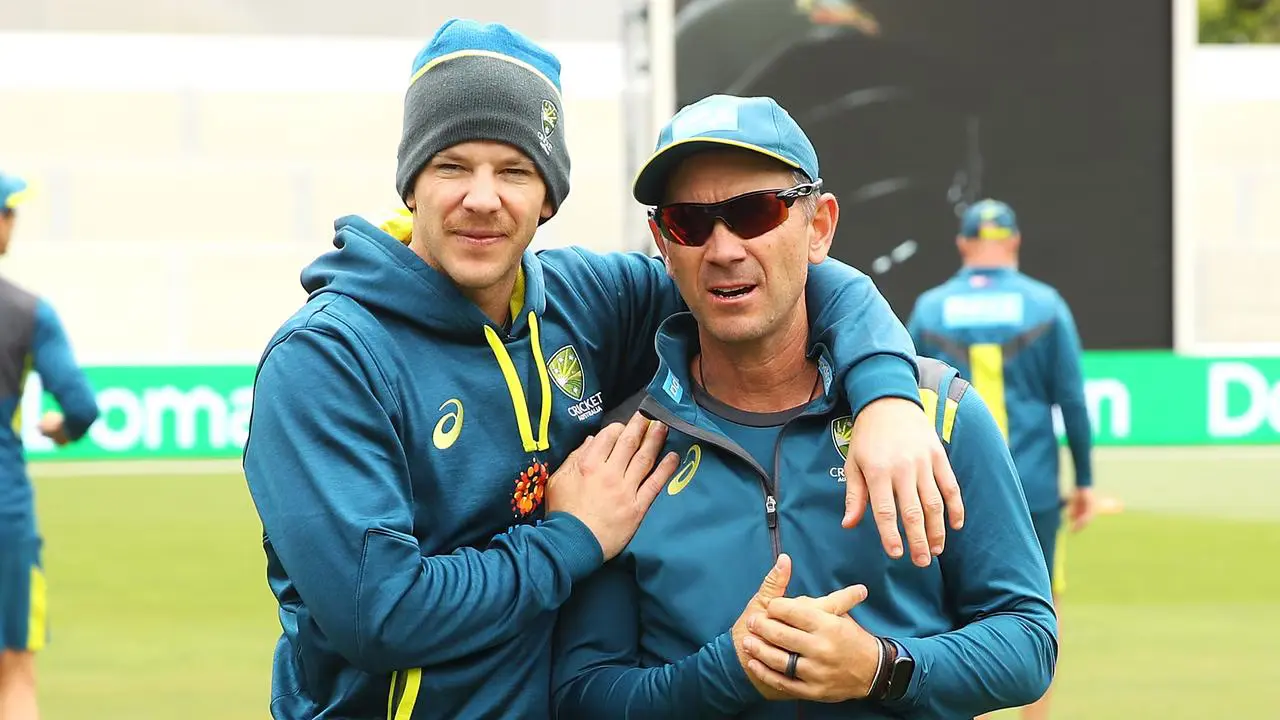
The reported episode is significant not because it resulted in a formal charge, but because it suggests team officials remained alert to the risk of even the appearance of ball tampering. The allegations also place then-coach Justin Langer and captain Tim Paine at the centre of an account about how Australia tried to draw a line under one of the most damaging episodes in its cricket history.
What the Dubai Test Reportedly Revealed
Australia’s opening Test against Pakistan in Dubai was played on a slow, flat surface that made taking wickets difficult. The match ended in a draw after Usman Khawaja produced a marathon, match-saving century. It was also the first Test after the Cape Town scandal to feature several players beginning new chapters in the national side: Aaron Finch, Travis Head and Marnus Labuschagne all made their Test debuts.
According to Whateley’s account, frustration over the difficulty of managing the ball led one player to ask, “Who’s got the mints? Who’s doing the ball today?” The report says a newer member of the team responded angrily, making clear that the players should not repeat behaviour associated with the Cape Town scandal.
A substitute fielder was allegedly sent back to the dressing room to look through players’ bags. Paine, who was captain, reportedly recognised what was happening and signalled for the substitute to return without taking anything onto the field. The account portrays the moment as a brief but revealing test of the team’s post-scandal resolve.
Langer’s Reported Dressing-Room Rebuke
Australia was said to have taken particular care over how its conduct might look to opponents, officials and the public. The report claims the team had agreed not to use lollies on the field, including during drinks breaks, because of the scrutiny surrounding any substance that could be used to change the ball’s condition.
That caution reflected a broader challenge for the players. Ball management is a routine part of cricket, but the Cape Town episode had made ordinary actions vulnerable to suspicion. Even conduct that might once have passed without comment could now be interpreted through the lens of the scandal.
Whateley reported that Langer addressed the squad after the day’s play and criticised the players’ judgement. At the height of his anger, he allegedly took a Baggy Green cap and wiped it against his backside to demonstrate how he believed the team was treating Australian cricket’s reputation. The reported gesture underlined the intensity of the pressure on a group trying to restore public trust.
Claims of a Divide Over Responsibility
The investigation also revisits the question of who knew what during the Cape Town ball-tampering plot and how responsibility was handled afterward. In his autobiography, Khawaja wrote that two players resisted the idea of accepting collective responsibility. Whateley’s report identified Josh Hazlewood and Nathan Lyon as the players understood to have opposed that approach.
Hazlewood denied the claim last week while defending Pat Cummins, who has repeatedly said he did not know about the plan involving sandpaper. Whateley’s investigation presents a different account, alleging that Australia’s four fast bowlers—including Cummins and Mitchell Starc—met in a hotel room and rejected the prospect of being held responsible for David Warner’s role. The report says the confrontation created lasting divisions within the team.
These accounts remain contested, and the reported conversations are not the same as an official finding. Their importance lies in what they reveal about the competing versions of events that have continued to shape discussion of Sandpapergate: whether responsibility belonged to individuals involved in the plan, the wider leadership group, or the team as a whole.
Gqeberha Claims and the Question of Evidence
Whateley’s report also returns to allegations connected to the second Test against South Africa in Gqeberha, then known as Port Elizabeth. Usman Khawaja, Cameron Bancroft and Chadd Sayers have previously made claims that sandpaper was used during that match. At the time, officials closely watched Australia, with attention focused in part on Warner’s hand strapping.
The investigation cites conflicting accounts about discarded strapping. One source reportedly said South African players found Warner’s finger and thumb tape in a bin; another said ground staff recovered it from the field and handed it to match officials. The report further claims an International Cricket Council representative wanted to compare the material with Warner’s fingers, but that request was rejected.
It also describes an allegation that an ICC source later told a senior Cricket Australia official the strapping contained a mixture of superglue and grit. However, the report says there was uncertainty over who the material belonged to, with both teams disputing responsibility. These details should therefore be understood as claims within an investigation, not as proof of a definitive conclusion about the tape’s origin or use.
Why the New Allegations Matter
Sandpapergate remains a defining episode in modern Australian cricket because it damaged the team’s credibility and led to severe consequences for key players. The Dubai account suggests that the fallout extended beyond bans and public apologies: it altered how the team approached routine aspects of play, sharpened internal disagreements and made leadership decisions unusually visible.
For fans following the latest cricket news, the central issue is not simply whether mints were present. It is how a team rebuilding its reputation responded when a familiar practice risked being misunderstood—or repeated. Paine’s reported intervention and Langer’s alleged dressing-room anger offer a picture of leaders attempting to prevent another crisis, while the disputed accounts of hotel meetings show that unity was far from assured.
Any prediction about whether these latest claims will lead to further official action would be premature. The allegations rely on reported conversations and accounts that have been challenged or remain unresolved. Still, they are likely to renew debate about accountability, leadership and trust in Australian cricket—and about how the events of 2018 continued to influence the team long after the Cape Town Test had ended.