Blair Tickner Ruled Out of New Zealand’s Second Test Against India With Hamstring Injury
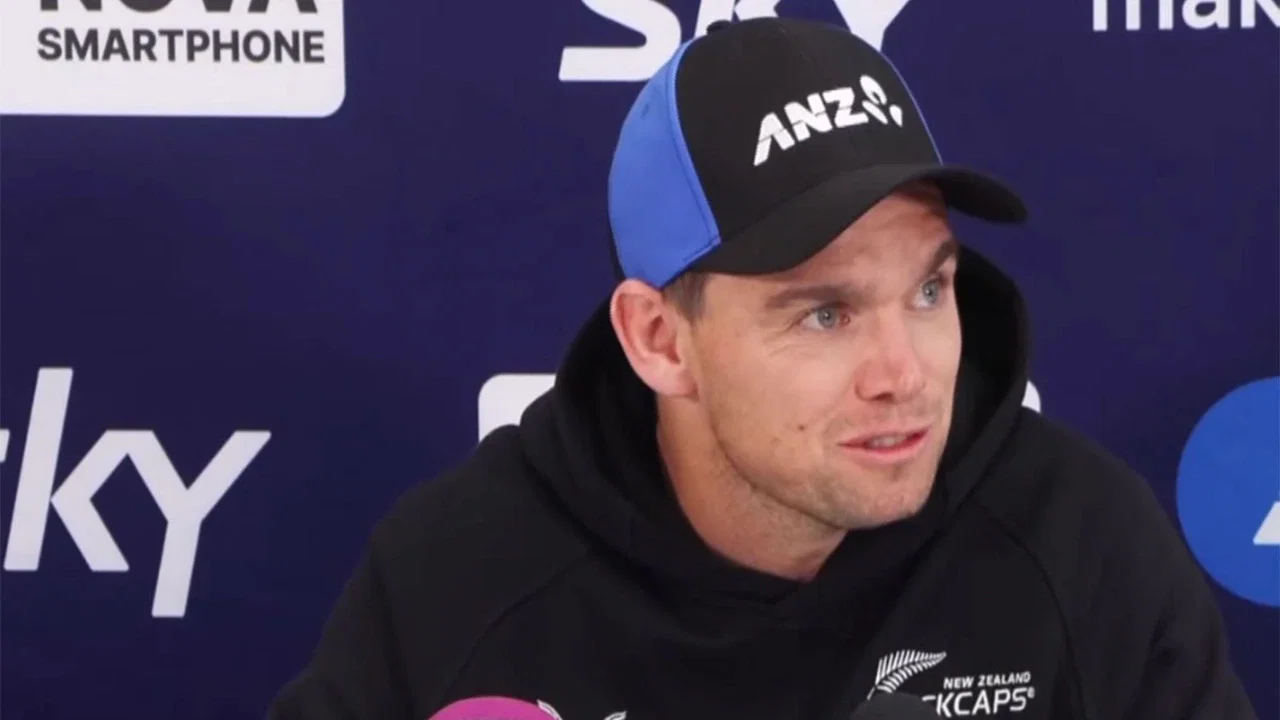
New Zealand have suffered a setback ahead of the second Test against India, with fast bowler Blair Tickner ruled out after sustaining a right-hamstring injury during training in Wellington. The match is scheduled to begin on Friday, leaving the Black Caps with limited time to adjust their pace-bowling options.
New Zealand Cricket confirmed that Tickner will miss the remaining Test of the bilateral series and has called up Matt Fisher as cover. Fisher, who has represented New Zealand in both the ODI and T20I legs of the tour, will provide another pace option as the team prepares for the final match.
NZC to Give Tickner Time to Recover
Tickner picked up the injury while training and will now receive an extended period of rest. With a demanding international schedule ahead, New Zealand’s medical staff will monitor his rehabilitation and help determine when he may be ready to return to cricket. The board has not announced a target date for his comeback.
The 31-year-old was part of New Zealand’s squad for the first Test but did not make the playing XI. His absence therefore does not require a direct change to the side that took the field in that match, but it reduces the team’s depth among specialist fast bowlers for the series finale.
Tickner has played six Tests for New Zealand, taking 22 wickets at an average of 27.45. His most recent appearance in the format came during the team’s tour of England earlier this year. Those figures suggest he has made a useful impact when selected, despite having had relatively few opportunities in Test cricket.
Matt Fisher Called Up as Pace-Bowling Cover
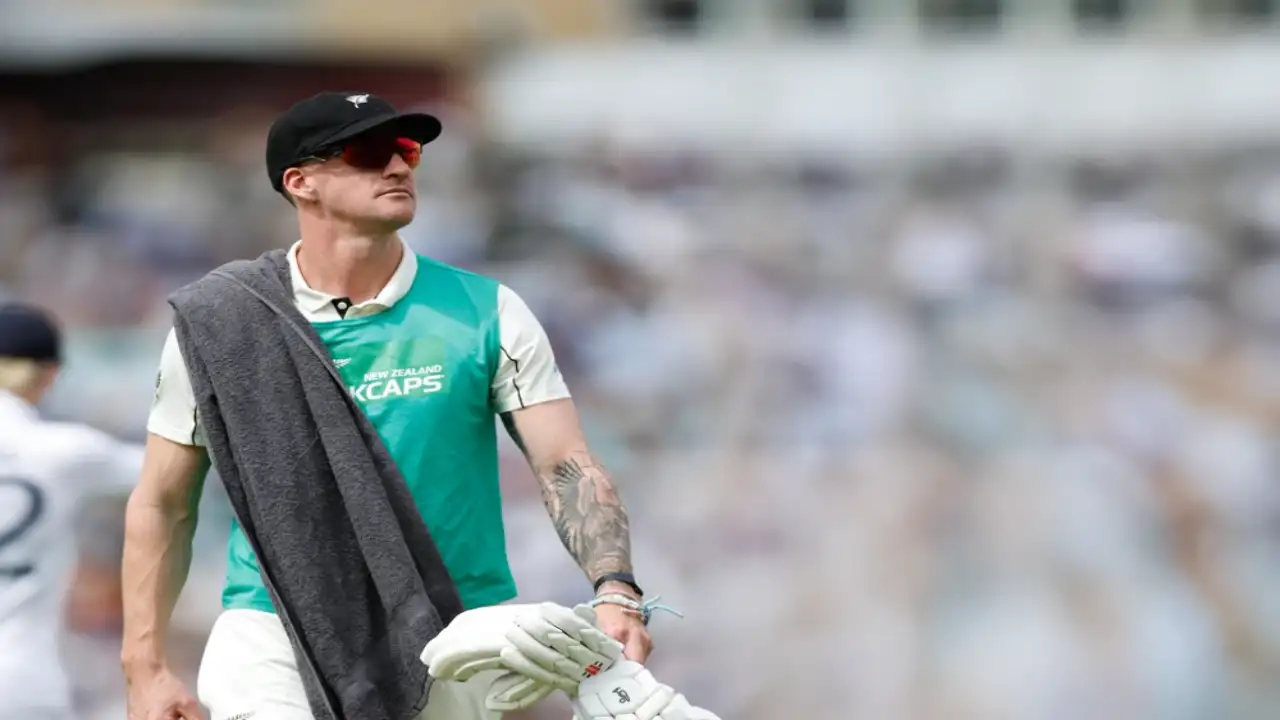
Fisher’s selection gives New Zealand a like-for-like fast-bowling replacement, although his recent experience has largely come in limited-overs cricket. The 27-year-old has featured regularly during the India tour, playing four of the five ODIs and two of the five T20Is.
His performances in the ODI series have offered encouraging signs. In two of his recent appearances against India, Fisher returned figures of 2/28 and 3/31. He has also taken at least one wicket in each of his appearances on the tour, showing an ability to contribute even when conditions or opportunities are limited.
Fisher made his Test debut in August 2025, but he has not played red-ball cricket since then. The call-up could therefore offer him a chance to re-enter New Zealand’s Test plans, depending on the team’s final selection and the conditions for the second match. His recent white-ball form may help his case, though adapting to the longer format brings different demands, including sustained spells and greater emphasis on control.
New Zealand Need Depth Behind Their Frontline Seamers
New Zealand’s pace resources will be important as the team manages a busy summer schedule. In the previous Test against India at the Basin Reserve, the bowling workload was shared mainly among Matt Henry, Kyle Jamieson and Jacob Duffy. Henry and Duffy each bowled 33 overs, while Jamieson delivered 31.
That workload highlights why an additional quick can be valuable, particularly across a long Test match where bowlers may need to maintain pressure over several sessions. Fisher’s inclusion gives the management another option if conditions favour seam bowling or if one of the frontline pace bowlers needs support.
New Zealand’s selection decision will also depend on the surface and the balance of the attack. A seamer-friendly pitch could encourage the team to retain a pace-heavy combination, while conditions offering more help to spin may influence how many specialist fast bowlers are selected. Fisher’s recent performances provide the selectors with useful evidence, but his lack of recent red-ball cricket remains a factor to consider.
What Tickner’s Absence Means for the Second Test
Tickner’s injury is a setback, but it does not automatically determine New Zealand’s bowling combination. He was not selected for the first Test, and the team will now weigh Fisher’s inclusion against the form and fitness of its established bowlers. The call-up is best viewed as added cover rather than confirmation that Fisher will play.
For India, the change may offer a slightly different challenge if Fisher is selected. His recent ODI figures show that he can take wickets, but Test cricket will test his patience, consistency and ability to build pressure over longer spells. New Zealand, meanwhile, will hope their existing attack can remain fit and effective through the final match.
Second Test Prediction: Selection and Conditions Could Be Decisive
Any prediction for the second Test will depend heavily on the pitch, weather and final team selections. New Zealand’s pace attack has experience and workload behind it, while Fisher’s recent white-ball form gives the hosts an alternative if they want fresh pace. India will be looking to exploit any uncertainty in the home side’s plans, particularly if the conditions offer early movement.
Tickner’s recovery will remain a longer-term concern rather than an immediate selection issue. New Zealand have opted to prioritise his rehabilitation, a cautious approach that could help prevent a short-term hamstring problem from becoming more serious. For now, Fisher’s inclusion strengthens the squad, while the medical team continues to assess when Tickner can safely return to international cricket.