Glenn Phillips Breaks T20I Series Record Against India with Explosive Eden Park Century
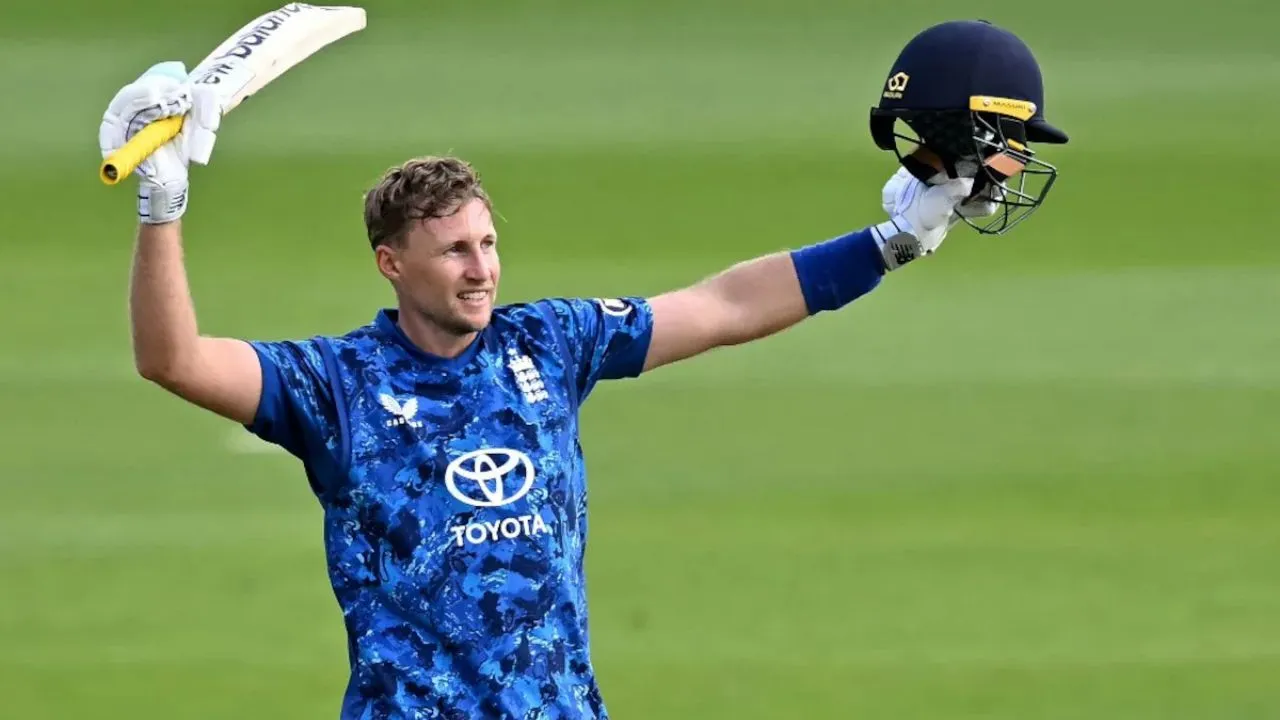
New Zealand all-rounder Glenn Phillips produced a spectacular innings in the fourth T20 International against India, setting a new record for the most runs scored by a batter in a T20I series against the visitors. Phillips struck a commanding century at Eden Park in Auckland on Friday, October 30, helping New Zealand recover from early setbacks and post a formidable total.
The right-hander made 107 runs from just 49 deliveries, hitting six fours and 10 sixes. His performance lifted his series tally to 276, taking him past West Indies batter Shai Hope, who had held the record with 261 runs in a five-match series earlier in October 2026.
Phillips’ milestone came in a match played after India had already secured an unassailable 3-0 series lead, winning each of the first three games through successful run chases. Even with the series decided, the fourth T20I offered New Zealand an opportunity to respond—and Phillips delivered one of the most memorable innings of the contest.
Phillips Moves to the Top of the Series Run Chart
Phillips began the fourth match needing 93 runs to overtake Hope’s record. He reached the mark with his 45th delivery and went on to finish with 276 runs across the series. England’s Harry Brook is third on the list, having scored 229 runs against India in a T20I series.
Most runs in a T20I series against India:
Glenn Phillips (New Zealand) – 276 runs (2026)
Shai Hope (West Indies) – 261 runs (2026)
Harry Brook (England) – 229 runs (2026)
The record is specific to T20I series against India; Phillips has not yet claimed New Zealand’s overall record for the most runs by a player in a single T20I series. That mark belongs to Mark Chapman, who scored 290 runs against Pakistan in 2023. Phillips’ total nevertheless places him among the most productive batters in bilateral T20I cricket, particularly against a side known for its depth in bowling and fielding.
A 46-Ball Century and a Major Partnership
Phillips brought up his hundred in 46 balls, matching David Miller’s record for the second-fastest T20I century against India. Jacob Bethell and Hope remain ahead of them, having reached three figures in 45 deliveries. Phillips’ innings combined clean hitting with sharp placement, allowing him to score quickly without relying solely on boundaries.
His century came after New Zealand had lost four wickets and needed a substantial partnership to rebuild the innings. Tim Seifert fell for three in the opening over to Mayank Yadav, who later dismissed Daryl Mitchell for 24 off nine balls. Finn Allen added 31 from 17 deliveries before Axar Patel removed him, while Bevon Jacobs made seven before becoming Mayank’s third victim.
At 93 for four, New Zealand were under pressure. Phillips and Michael Bracewell changed the momentum with a powerful fifth-wicket stand, adding 115 runs from just 40 balls. The partnership became the fastest century stand against India and the fourth-fastest 100-plus partnership against a Full Member nation in T20I cricket.
Bracewell Provides the Perfect Counterattack
Bracewell contributed 65 from 25 balls, his highest score in T20 internationals. He struck four boundaries and six sixes, matching Phillips’ aggressive approach and forcing India’s bowlers to adjust their plans. Prince Yadav eventually ended Bracewell’s innings, but the damage had been done: New Zealand had turned a difficult position into a powerful platform.
Phillips continued attacking after Bracewell’s dismissal and was finally out to Nitish Kumar Reddy in the final over. Their stand showed how quickly a T20 innings can change when two batters build pressure together, alternate the strike effectively and target scoring areas with confidence.
Consistent Contributions Built the Record
Phillips’ record-breaking total was not the result of one isolated performance. He had already started the series strongly, scoring an unbeaten 82 from 40 balls in the opening match, with six fours and six sixes. In the second T20I, he made 70 from 43 deliveries after New Zealand’s top order had lost early wickets.
His only quiet outing came in the third match in Wellington, where he scored three from six balls. The century in Auckland therefore capped a series featuring two half-centuries, an unbeaten innings and a decisive hundred. That consistency helped him build a record total even as New Zealand lost the series.
For India, the result of the series was already secure, but Phillips’ innings will offer useful material for review ahead of the remaining fixtures. New Zealand, meanwhile, can take encouragement from the way Phillips and Bracewell recovered from the early collapse. Their performance may shape the team’s selection and tactical prediction for the final match, especially around batting combinations and how the middle order handles pressure.
Bracewell Praises Phillips’ Impact at Eden Park
Speaking during the mid-innings break, Bracewell described the experience of batting alongside Phillips as a privilege. He also highlighted the atmosphere at a sold-out Eden Park and said it was exciting to contribute to the team’s total in front of the home crowd.
Bracewell praised Phillips as an entertainer, adding that the pair had “bounced off each other really nicely” and put the bowlers under pressure. Their partnership was a reminder that big T20 totals often depend not only on individual power, but also on how well batters respond to each other’s momentum.
Phillips’ 107 will stand out as the headline achievement, but the broader story is New Zealand’s ability to turn a precarious start into a high-scoring finish. The record, the rapid fifth-wicket partnership and Bracewell’s career-best T20I score combined to make the fourth match a significant performance despite India’s series advantage. For fans following the final game, Phillips’ form now becomes one of the key storylines—and a major factor in any prediction about New Zealand’s batting prospects.