Ravichandran Ashwin Questions Vaibhav Sooryavanshi’s No. 3 Role After India’s T20I Thriller
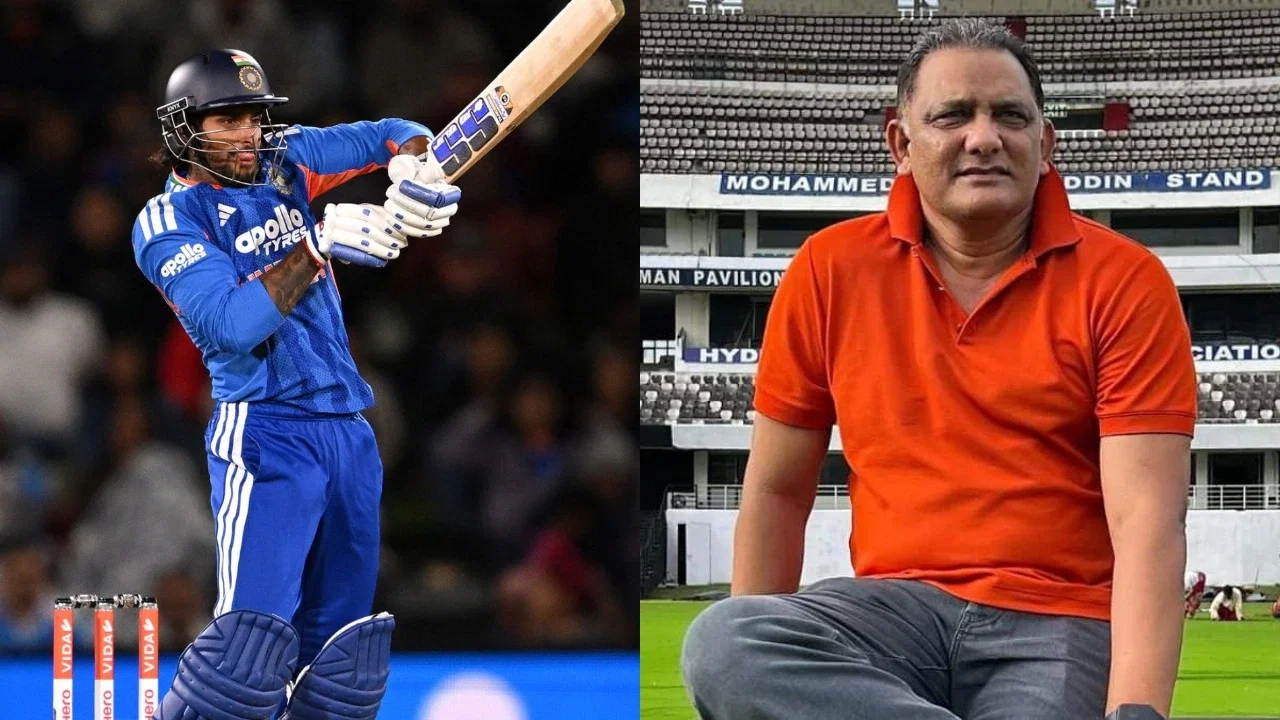
India’s four-wicket victory over New Zealand in the second T20I at Hagley Oval delivered a tense finish and a valuable win for the Men in Blue. But alongside the result, attention turned to a selection and batting-order question: was Vaibhav Sooryavanshi placed in the right position at No. 3?
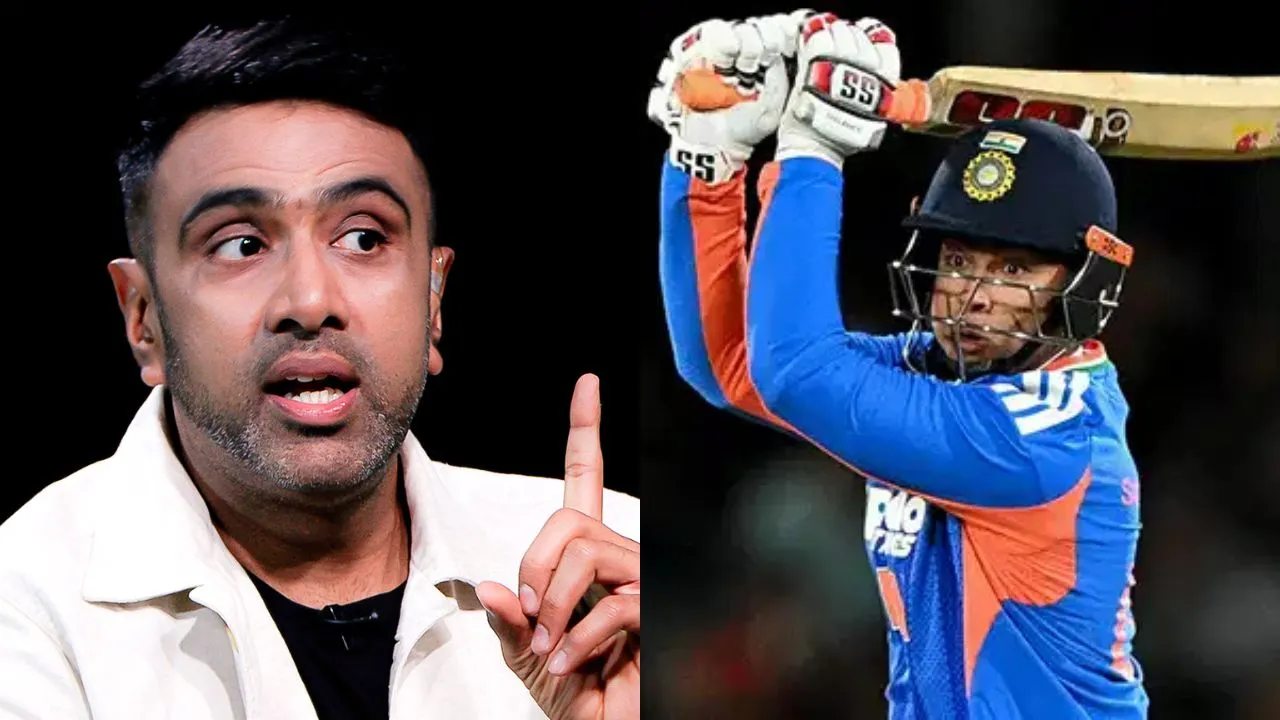
Former India spinner Ravichandran Ashwin felt the young batter looked uncomfortable in the unfamiliar role. Speaking on Sony Sports Network, Ashwin said Sooryavanshi appeared to be batting outside his natural position and argued that India should consider sending Sanju Samson in at No. 3 if the team wants to include the teenager in its combination.
India Win, but Sooryavanshi’s Batting Position Becomes a Talking Point
India’s chase at Christchurch ended in a four-wicket win, but Sooryavanshi’s brief time at the crease prompted discussion about how best to use him. The 15-year-old earned an opportunity after Ishan Kishan was injured, while India retained its regular opening pair of Sanju Samson and Abhishek Sharma.
Both established openers have contributed at different stages, making it difficult for the team to change the top of the order. The resulting compromise was to bring Sooryavanshi in at No. 3—a position Ashwin believes does not necessarily suit the youngster’s current experience or batting instincts.
Batting order is about more than simply finding a place for every player. In T20 cricket, the timing of an entry can shape a batter’s approach. An opener often has a clearer plan and can settle into the innings from the start, while a No. 3 may arrive during a rapidly changing phase, with the required rate, field settings and match situation already influencing the next shot.
Ashwin: The Young Batter Looked “Like a Fish Out of Water”
Ashwin described Sooryavanshi’s outing as a “miss” within the limited hit-or-miss format of the discussion, while stressing that it was too early to judge a young cricketer harshly. He said the left-hander seemed uncertain in a role he had not regularly occupied.
“For a young cricketer like Vaibhav, ‘miss’ is too early, I think, to say,” Ashwin said. “But because I have only two options of a hit or a miss, he just found himself a little like a fish out of water. He kept going hard, kept going hard for the eight balls.”
The comment was less a criticism of Sooryavanshi’s ability than an observation about context. A young batter may need time to adjust when asked to enter the game at a different stage from the one in which he is most comfortable. At No. 3, there may be little opportunity to build an innings gradually, particularly if the match is already moving at a high tempo.
Why a Senior Partner Could Help Sooryavanshi
Ashwin also focused on the teenager’s shot-making and composure. He felt Sooryavanshi was trying to hit the ball hard without consistently finding his timing. In Ashwin’s view, a calm senior batter at the other end could have helped him simplify the task: stay at the crease, watch the ball closely and play with a more controlled approach before looking to attack.
“It did not feel like he was ever timing the ball,” Ashwin said. “That is when you need a senior partner to walk down to him and say, ‘Calm down, just hang in there, look to play close to your body, watch the ball better.’ Sometimes, as a batter, all you need to be told is to watch the ball closer.”
That advice reflects a broader challenge in developing young T20 players. The format rewards bold intent, but aggression is most effective when it is supported by balance and clear decision-making. A batter who feels compelled to make an immediate impact can end up swinging too hard or committing to a shot before judging the delivery properly. Guidance from an experienced partner can help restore a simpler rhythm.
Ashwin’s Suggested Batting Order: Samson at No. 3
If India wants to keep Sooryavanshi in the XI while retaining Samson and Abhishek Sharma as the opening pair, Ashwin believes Samson could move down to No. 3. He noted that India had previously used a combination in which Samson came in at that position.
“If they are going to go with this combination, I am not too sure Vaibhav has got to bat at number three,” Ashwin said. “Today it was a miss for Vaibhav.”
Samson’s experience could make him a more natural option for an early middle-order role, while Sooryavanshi could be given a position that better matches his established style. That does not mean the teenager cannot learn to bat at No. 3; rather, it raises the question of whether a high-pressure international match is the best place to ask him to adapt immediately.
What India’s Team Management Must Weigh
India’s decision will depend on more than one short innings. The team must balance the value of giving a promising young player meaningful opportunities with the need to build a stable batting order. Keeping a regular opening pair together can provide continuity, but the next batter’s role must also be clearly defined.
For Sooryavanshi, the key may be a gradual introduction to different match situations. If the team sees him as an opener, it could consider whether he is better served by opportunities at the top. If he is expected to bat at No. 3, regular practice in that role and a well-defined plan could help him adjust. Either way, one difficult outing should not become a final verdict on his potential.
India’s win remains the headline result from Christchurch, but the debate over Sooryavanshi’s position is likely to continue as the series develops. Ashwin’s assessment offers a useful prediction for the selection conversation: if the current combination stays intact, Samson may be the more suitable choice at No. 3, allowing the 15-year-old to develop in a role that feels more natural. The team’s next move will show whether it prioritises immediate balance, long-term development, or a combination of both.