Mitchell Santner Sets T20I Record Against India as New Zealand Secure Auckland Win
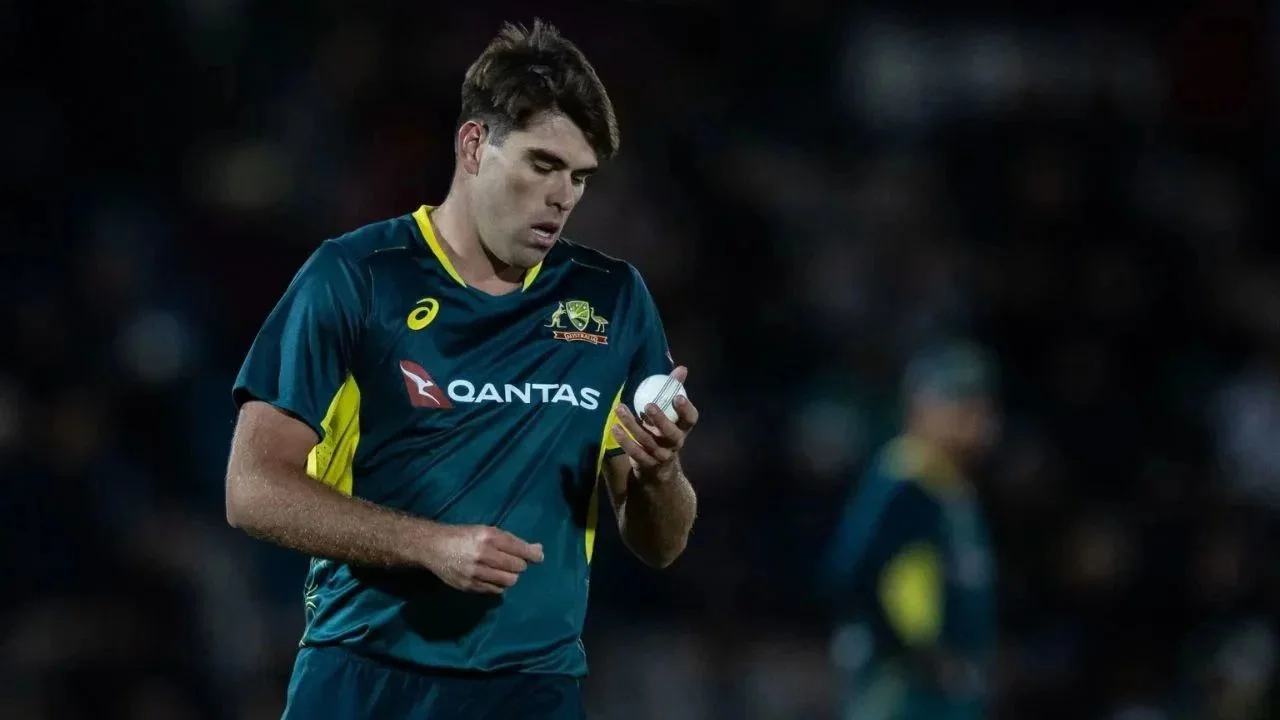
New Zealand captain Mitchell Santner reached a major milestone in T20 International cricket during the fourth match of the five-game series against India at Eden Park, Auckland, on Friday, October 30. By dismissing Nitish Kumar Reddy, the left-arm spinner became the leading wicket-taker against India in men’s T20Is, moving past teammate Ish Sodhi.
Santner’s record-breaking moment arrived in a match that also brought New Zealand a commanding 87-run victory. India had already won the first three games and secured the series, but the hosts responded emphatically in Auckland, defending a formidable total and reducing the visitors to 172 for nine in their chase of 260.
Santner Moves Ahead of Ish Sodhi in T20I Wickets Against India
The landmark wicket came when Santner bowled a slower delivery outside off stump to Reddy. The young Indian all-rounder made room and attempted to cut, but the shot went in the air rather than along the ground. Michael Bracewell, stationed at extra cover, held the catch safely.
Reddy departed for 21 from just 10 deliveries, having struck two sixes. More than the wicket itself, the dismissal gave Santner a place at the top of a notable statistical list. He now has 31 T20I wickets against India, one more than Sodhi, who sits second with 30.
Most T20I wickets against India:
31 – Mitchell Santner
30 – Ish Sodhi
24 – Chris Jordan
22 – Jofra Archer
22 – Adil Rashid
The figures underline Santner’s value in a matchup that has tested many international bowlers. His left-arm spin, changes of pace and ability to vary his length have helped him remain effective against India’s powerful batting line-ups. The record is also part of a broader career achievement: Santner has passed 150 wickets in T20I cricket, confirming his status as one of New Zealand’s most dependable bowlers in the format.
Second Strike Deepens India’s Trouble
Santner did not stop after taking the record-breaking wicket. He soon removed Axar Patel, tightening New Zealand’s grip on the contest at a crucial stage of India’s chase.
After tossing the ball wide of the left-hander, Santner invited Axar to reach for a drive. The Indian batter struck the ball back towards the bowler, who reacted sharply, stopped it and completed the catch on the rebound. Axar was dismissed for seven from nine balls, leaving India with another key batter back in the pavilion.
The double strike reflected Santner’s influence beyond the headline statistic. In a high-scoring T20 match, his ability to break partnerships and disrupt the chase proved important. New Zealand had posted 259 for six, setting India a target of 260, and Santner’s wickets helped prevent the visitors from building the sustained momentum required for such a pursuit.
New Zealand Avoid a Series Sweep with a Big Win
India entered the fourth T20I with the series already secured after winning the opening three matches. That position did not diminish the significance of New Zealand’s response. The hosts delivered a forceful performance in front of the Auckland crowd, combining a substantial total with disciplined bowling to claim an 87-run win.
India finished on 172 for nine, well short of the target. The result gave New Zealand a measure of relief after a difficult run in the series and set up the final match on November 1 with renewed interest. Although India had already clinched the series, the closing fixture offered the visitors an opportunity to finish strongly, while New Zealand could seek to carry the Auckland performance into the finale.
Eden Park’s compact boundaries often encourage aggressive batting, making a large target especially challenging—but not impossible—in T20 cricket. In this match, however, New Zealand’s bowlers repeatedly interrupted India’s progress. Santner’s breakthroughs were central to that effort, while the overall result showed how quickly a chase can unravel when wickets fall at regular intervals.
Fielding Remains a Concern for the Black Caps
Despite the win, New Zealand still have an area to address: their catching. The team has dropped 11 catches across the five-match series so far, a worrying figure for a side that has otherwise shown it can compete strongly with India.
The tally is now the second-highest number of catches dropped by New Zealand in a five-match T20I series. Their unwanted record remains 14, set in a home series against South Africa earlier in 2026. Dropped chances can be especially costly in the shortest format, where a missed opportunity may allow a batter to add quick runs or change the direction of an innings.
New Zealand’s Auckland victory therefore offered both encouragement and a clear reminder. Santner’s record-setting bowling and the team’s ability to defend a major total demonstrated their potential, but sharper fielding will be essential if they want to turn strong performances into consistent results.
What Santner’s Record Means for the Final T20I
Santner’s achievement adds a compelling storyline to the series finale. As the leading T20I wicket-taker against India, he has established a benchmark that reflects longevity, tactical discipline and repeated success against a formidable opponent. His milestone also highlights the importance of bowlers who can adapt their approach as batters increasingly attack from the first ball.
For India, the fourth match will serve as a reminder that securing a series does not guarantee an easy finish. For New Zealand, the 87-run victory provides momentum, even as the dropped catches remain a concern. The final T20I on November 1 will offer another opportunity for both teams to assess their combinations and close the series on a strong note.
As fans consider the final-match prediction, Santner’s form is likely to be one of the key talking points. If he maintains the control and wicket-taking threat he showed in Auckland—and New Zealand improve their catching—the hosts may again make India work hard. The series finale now carries added intrigue: India will look to reassert its dominance, while Santner and the Black Caps will aim to build on a memorable record-breaking night.