Babar Azam’s Quaid-e-Azam Trophy Dismissal Sparks Umpiring Debate
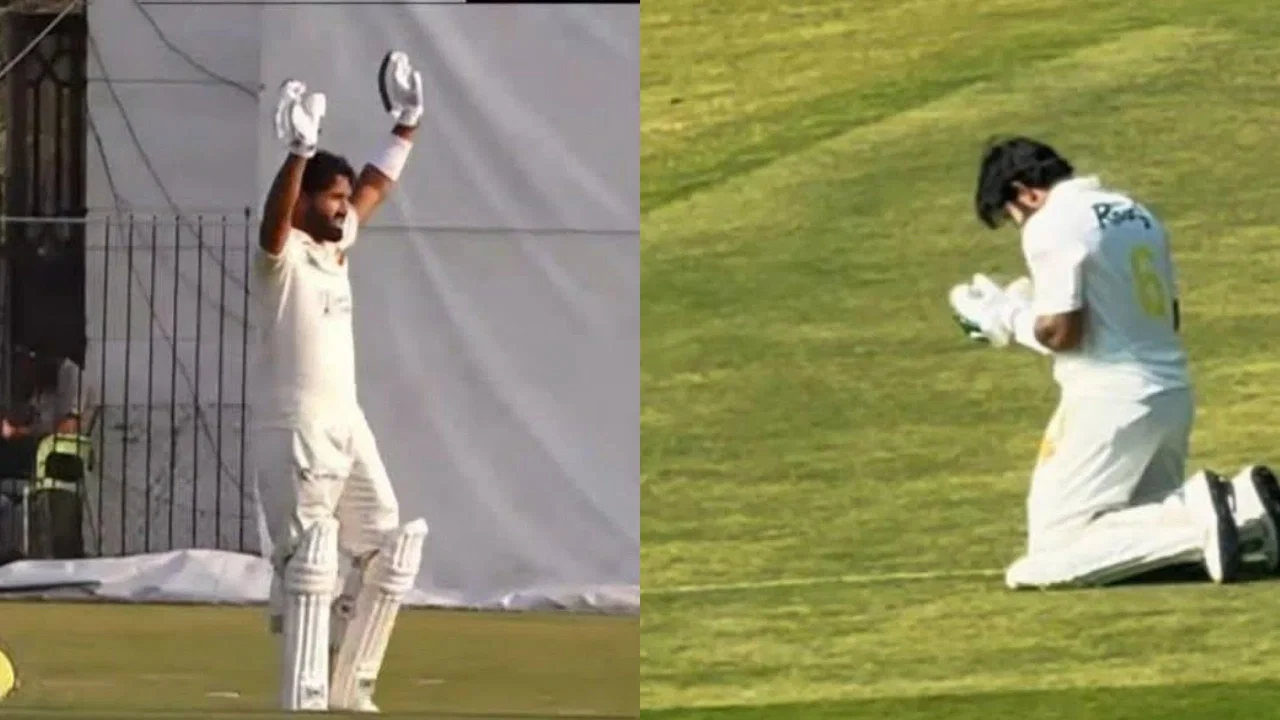
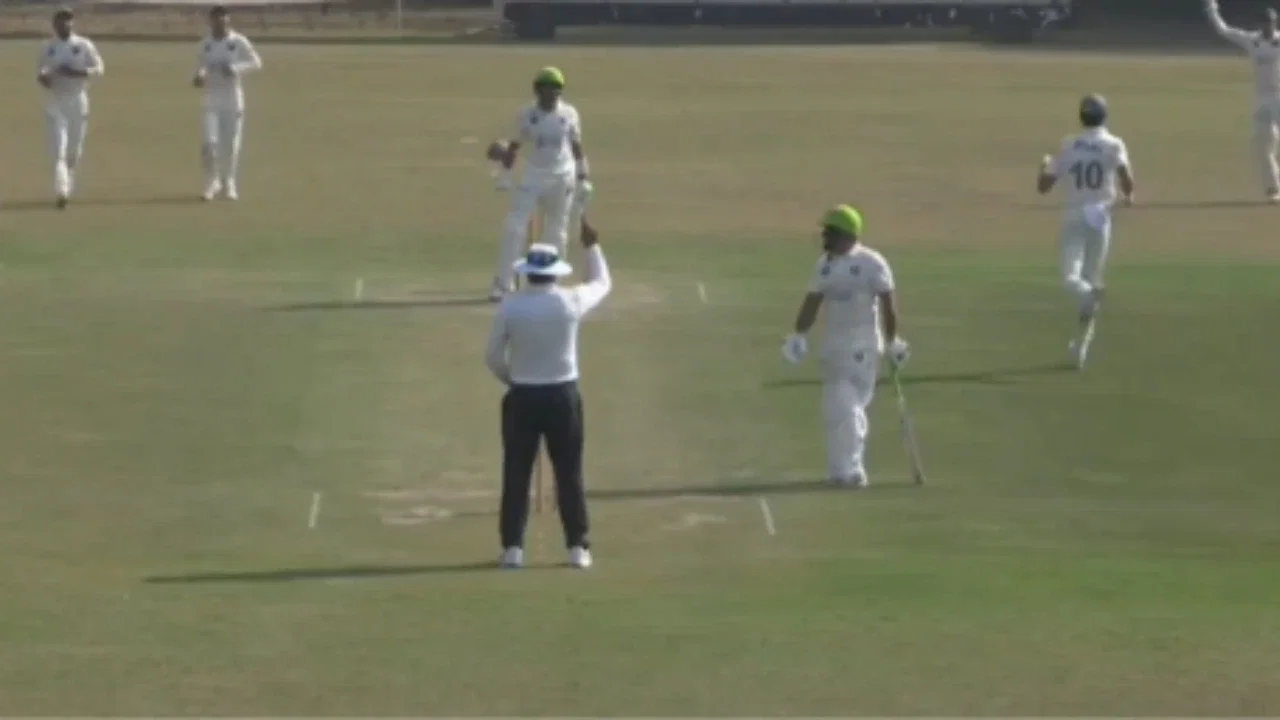
Pakistan batter Babar Azam’s difficult spell in red-ball cricket came under fresh scrutiny after a disputed decision cut short his innings in the Quaid-e-Azam Trophy. Playing for Lahore Whites against the FATA Region on November 4, Babar was given out for 28 from 40 deliveries, prompting criticism from fans who questioned whether the ball had made contact with his bat.
The dismissal quickly became a talking point on social media. Video replays appeared to show the ball brushing Babar’s thigh pad or clothing before it reached the wicketkeeper. Babar also seemed to indicate to the umpire that he had not hit the ball. Nevertheless, the on-field official ruled him out, leaving the batter with no way to challenge the call.
Why the absence of DRS became a major talking point
The Quaid-e-Azam Trophy is Pakistan’s leading first-class competition, but the Decision Review System was not available during the match. Without DRS, Babar could not ask for a review, and the umpire’s decision stood. That limitation intensified the reaction, particularly because the batter is one of Pakistan’s most prominent international players.
Several supporters argued that a major domestic tournament should have technology capable of helping officials review close decisions. Their frustration was not limited to Babar’s dismissal: the incident revived broader questions about the resources and standards available in domestic cricket, where players are expected to develop and compete at a high level.
One fan described the decision as clearly incorrect and questioned why the Pakistan Cricket Board could not provide DRS for its premier first-class tournament. While the technology can be costly and difficult to deploy across every domestic fixture, the controversy has renewed calls for the PCB to consider using it in key matches or later stages of the competition.
Babar’s innings included six boundaries, but his departure came as Lahore’s first innings ended on 234. The score added pressure to an already challenging outing for the side, while the dismissal ensured that discussion of the match extended beyond the scoreboard.
Babar Azam’s red-ball form draws renewed attention
The disputed call arrived during a period in which Babar’s performances have attracted increasing scrutiny. His struggles in longer-format cricket have led to debate about whether he needs a technical adjustment, a change in preparation, or simply time in the middle to rebuild confidence.
That discussion has also unfolded alongside attention to Pakistan’s playing conditions. Pakistan coach Mike Hesson has recently asked ground staff to prepare pace-friendly pitches for the Test series against Sri Lanka. Such surfaces could provide useful preparation for the national side, but they also underline the importance of adapting technique and decision-making to different conditions.
For a batter returning to domestic cricket, first-class matches can offer valuable time against varied bowling and the chance to work through weaknesses in competitive conditions. At the same time, a run of low scores or contentious dismissals can attract intense public attention—especially when the player is already under pressure to rediscover his best form.
Mohammad Yousuf calls for specialised coaching
Former Pakistan batter and coach Mohammad Yousuf has offered a different view of how Babar should approach his current difficulties. In a post on X, Yousuf argued that Babar should pause his first-class appearances until he has addressed what he sees as technical issues through specialised coaching.
Yousuf pointed to Babar’s recent ODI tri-series return, in which the batter scored 118 runs across five matches at an average of 23.60 and a strike rate of 74.21. The former Pakistan captain said that continued struggles in domestic cricket could place further strain on Babar’s confidence and career, and recommended that he seek individual training at a professional academy in England or Australia.
Yousuf was also clear that his criticism did not amount to a loss of faith. He described Babar as Pakistan’s leading batter of his generation and said the right guidance, combined with focused effort, could help him return to his best. He added that he had raised similar concerns several years earlier and urged decision-makers to take the advice seriously now.
Finding the right balance between coaching and match practice
Yousuf’s suggestion raises a familiar question in elite sport: should a player work on technical changes away from competition, or use match cricket to test and refine them? Specialist coaching can provide a controlled environment to examine footwork, balance and shot selection. First-class cricket, meanwhile, exposes a batter to the pressure, patience and changing conditions that cannot be fully recreated in practice.
The best route may depend on Babar’s individual assessment, his coaching team and the specific issues they identify. A targeted training programme followed by carefully planned match exposure could offer a way to combine technical work with the confidence-building benefits of time at the crease. Any prediction about a quick return to peak form, however, would be premature; sustained performance across formats will be the clearest measure of progress.
What the controversy means for Pakistan cricket
Babar’s dismissal and Yousuf’s comments have brought two connected issues into focus: the quality of domestic match officiating and the support available to Pakistan’s leading players. Better review systems could help prevent close decisions from dominating headlines, while specialised development plans may help players address form concerns with greater clarity.
For now, Babar’s Quaid-e-Azam Trophy innings will be remembered as much for the disputed call as for his 28 runs. The incident has sharpened the debate around DRS in domestic cricket and added another chapter to the discussion about the batter’s red-ball form. Whether the answer lies in more first-class matches, dedicated coaching, or a combination of both, Babar’s next performances will be closely watched by fans and selectors alike.