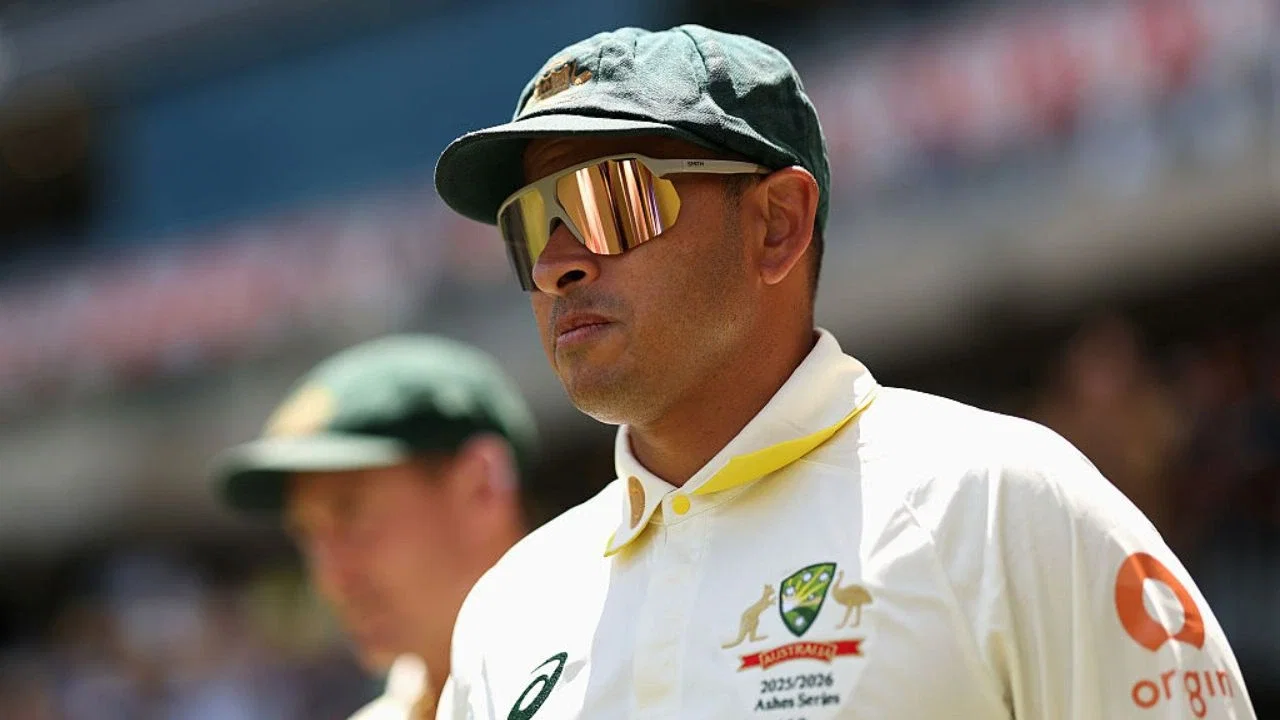
Usman Khawaja’s Sandpapergate Claims Reopen Questions About Australia’s 2018 Tour
Former Australia opener Usman Khawaja has reignited debate about the 2018 ball-tampering scandal, alleging that the use of sandpaper to alter the cricket ball may have occurred before the incident that led to the suspensions of Steve Smith, David Warner and Cameron Bancroft.
In his autobiography, Khawaja describes an episode during Australia’s Test against South Africa at St George’s Park in Port Elizabeth. He claims that Bancroft handled the ball during a break in play and that the surface was roughened enough to help it reverse swing. The account, reported by cricket media ahead of the book’s release, raises fresh questions about what Australian players knew and whether the Cape Town scandal was an isolated breach or part of a wider pattern.
What Khawaja Says Happened in Port Elizabeth
Khawaja’s account centres on a break between sessions. He says Bancroft went onto the field, picked up the ball that had been left there and altered its surface. According to Khawaja, the ball then moved sharply in the air, giving Australia’s bowlers a pronounced reverse-swing advantage.
“The next session, we absolutely went through the South Africans,” Khawaja wrote, describing the ball as having a shiny side and a rough, dry side. He said that when the ball reached him at gully, he was struck by how easily it appeared to reverse swing.
Australia took four wickets for 28 runs during a decisive passage of play in the final session. Khawaja links that collapse to the ball’s movement, although the match figures alone cannot establish what caused the swing. Reverse swing can be affected by several factors, including the ball’s condition, its age, the weather and a bowler’s technique. Khawaja’s allegation, however, is that the ball had been deliberately altered.
A Conversation in the Field
Khawaja also recalls a discussion among Australian players after a wicket. He says one bowler remarked that the ball was moving so much that the team should stop doing anything further to it. The comment, as Khawaja remembers it, prompted laughter among teammates.
He adds that no further action was planned because, in his telling, the ball had already been changed immediately after the break. That detail is significant because it suggests the players were aware of the ball’s unusual movement and, according to Khawaja, understood how it had been produced.
These are serious claims about conduct in an international Test match. They are based on Khawaja’s recollection, and should be treated as allegations rather than independently established findings. The account also does not, by itself, clarify which players were directly involved in the alleged action or what each teammate knew at the time.
How the Port Elizabeth Claims Relate to Sandpapergate
The scandal that became known as Sandpapergate broke during the third Test between Australia and South Africa in Cape Town in March 2018. Television footage showed Bancroft using a small piece of sandpaper on the ball and then attempting to conceal it. An investigation by Cricket Australia resulted in lengthy suspensions for captain Smith, vice-captain Warner and Bancroft, while the team faced intense criticism over its culture and conduct.
Khawaja’s account concerns the previous Test, played in Port Elizabeth, and therefore challenges the idea that the Cape Town episode was necessarily the first time the Australian side had tampered with the ball on that tour. He writes that Australia were caught in Cape Town, but questions why that should mean the practice had not happened earlier.
The distinction matters. The Cape Town incident was documented and investigated at the time; the Port Elizabeth episode, as presented in Khawaja’s book, is a retrospective claim. Any assessment of the allegation would need to consider available evidence, the recollections of other players and officials, and the findings of the original investigation. Khawaja’s account may prompt renewed scrutiny, but it does not automatically revise the formal record.
Team Awareness Is a Central Part of the Allegation
Beyond describing Bancroft’s alleged actions, Khawaja makes a broader claim: that awareness of the plan extended beyond the player handling the ball. That assertion raises questions about responsibility in a team environment, where players, coaches and leadership figures may have different levels of knowledge and involvement.
It is important not to treat a claim about general awareness as proof that every member of the squad took part. Khawaja’s version is his account of events, and the available information does not establish the precise role of each individual. Still, his comments could renew discussion about the culture surrounding Australia’s 2018 tour and the way teams respond when rules are breached.
For cricket supporters, the issue is not only whether one ball was altered. Ball tampering can change the balance between bat and ball, particularly in conditions where reverse swing is a major weapon. It also undermines confidence in the fairness of a contest. That is why allegations of deliberate interference carry consequences beyond the match result, affecting the credibility of players, officials and the sport’s governing bodies.
What Happens Next?
Khawaja’s book has brought an old controversy back into the news, but the latest claims should be distinguished from confirmed findings. Further comment from former teammates, Cricket Australia or the Australian Cricketers’ Association could help explain whether the allegations will receive a formal response. Any new investigation would also need to assess the limits of evidence gathered years after the match.
For now, the story is likely to remain a subject of debate rather than a settled conclusion. Khawaja’s recollection offers a new perspective on a turbulent period in Australian cricket, while also leaving important questions unanswered: who knew what, when did they know it, and can the Port Elizabeth allegation be independently corroborated?
As reactions develop, the most responsible prediction is that discussion will focus on the credibility and implications of Khawaja’s account—not simply on the dramatic details of the alleged ball tampering. His claims have reopened the Sandpapergate conversation, but further evidence and responses will be needed before the full picture of Australia’s 2018 tour can be reassessed.