Usman Khawaja’s Sandpapergate Claims Put Australia’s 2018 Tour Back in Focus
Usman Khawaja has reignited debate over the 2018 Sandpapergate scandal, claiming South Africa were more skilled than Australia at preparing a cricket ball to generate reverse swing during the controversial Test series. The former Australian opener says his team was trying to keep pace with the hosts’ methods, and he plans to share further details in his autobiography, SabR.
Khawaja’s comments do not change the established findings about Australia’s ball-tampering offence. Instead, they raise fresh questions about the culture surrounding ball maintenance, the investigation that followed, and whether every player was given a chance to explain what they knew. His account also adds a personal perspective to one of the most damaging episodes in modern Australian cricket.
What happened during the 2018 Sandpapergate scandal?
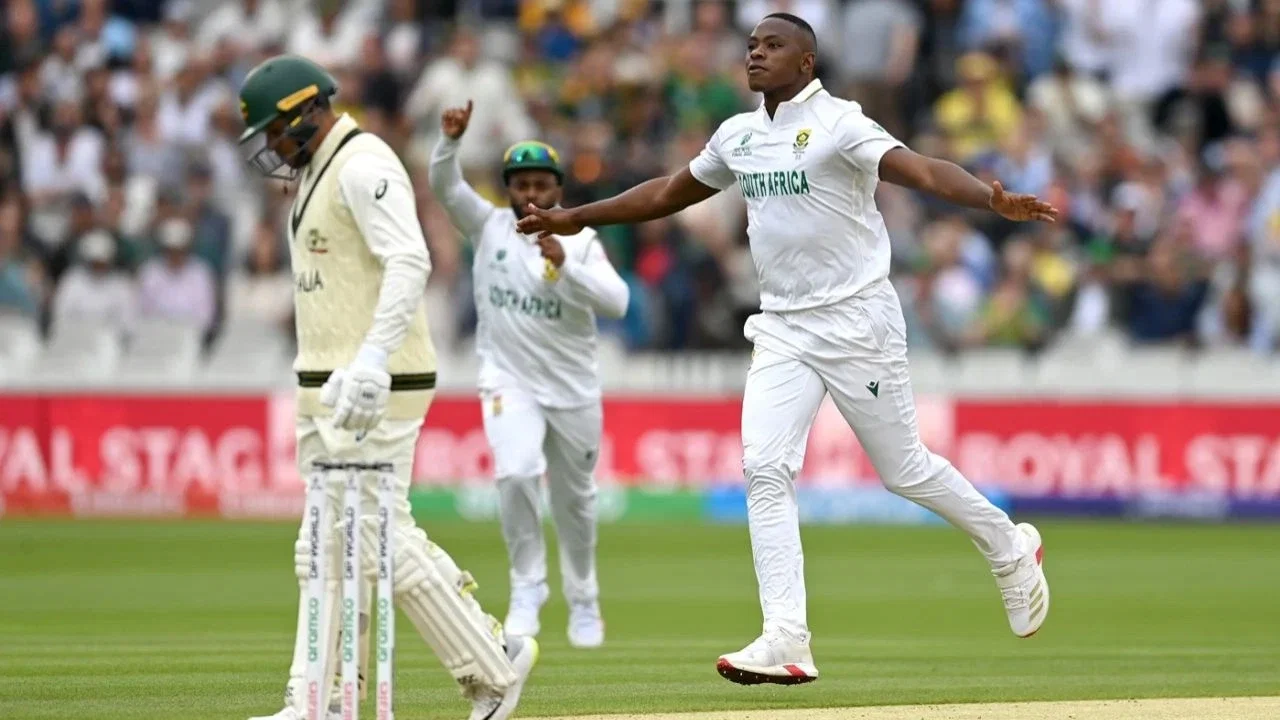
The incident unfolded during the third Test between Australia and South Africa at Newlands in Cape Town. On the third day, television footage showed Australian opener Cameron Bancroft handling a small piece of sandpaper and attempting to alter the ball’s surface. After noticing that the umpires were watching, he tried to conceal the object.
Australia captain Steve Smith later acknowledged that a group of senior players had discussed changing the ball’s condition. Cricket Australia’s investigation concluded that David Warner had devised the plan, Bancroft had carried it out, and Smith knew about it but did not stop it.
Smith and Warner received 12-month bans from international and domestic cricket, while Bancroft was suspended for nine months. Warner was also initially prohibited from taking on leadership roles in Australian cricket. The penalties prompted intense public criticism and led to a wider examination of the team’s standards, leadership and culture.
Khawaja says South Africa had greater reverse-swing expertise
Khawaja has now suggested that Australia’s actions took place in an environment where players were keenly aware of South Africa’s ability to make the ball move in the air. He said the hosts were particularly effective at producing reverse swing and that Australia were attempting to match their level of expertise.
“They were so good, and I discuss in a little bit of detail about what I’d heard from one of their players and what they were doing,” Khawaja said in an interview with Nine. He did not provide a full account of the alleged methods, indicating that readers may learn more when his autobiography is published.
Reverse swing is a legitimate feature of fast bowling, particularly when the ball becomes older and its two sides develop different levels of wear. Bowlers can use it to make the ball move unexpectedly in the air, but the laws of cricket set strict limits on how players may alter its condition. Khawaja’s comments therefore touch on a sensitive distinction: skilful, legal ball management is part of the game, while deliberately damaging or changing the ball outside the rules is prohibited.
His remarks should be understood as claims about what he says he heard and observed, rather than proof that South African players committed an offence during the 2018 series. The official Australian investigation focused on the actions of the Australian players involved in the Cape Town incident.
Previous ball-tampering cases involving Faf du Plessis
Khawaja’s comments have also brought attention to earlier disciplinary cases involving former South Africa captain Faf du Plessis. In 2013, du Plessis was fined half of his match fee after rubbing the ball against the zip of his trousers during a Test against Pakistan.
He was sanctioned again in 2016, when he was found guilty of ball tampering during the Hobart Test against Australia. The case involved saliva and a mint, and du Plessis was fined his full match fee. Those incidents form part of the broader history of disputes over ball condition in international cricket, but they are separate from the findings of the 2018 Sandpapergate investigation.
Khawaja questions why investigators did not interview him
One of Khawaja’s most striking claims concerns Cricket Australia’s inquiry. After the Cape Town incident, then-chief executive James Sutherland sent integrity chief Iain Roy and team performance manager Pat Howard to investigate. The inquiry led to sanctions against Smith, Warner and Bancroft.
Khawaja says investigators never interviewed him, despite the fact that he was sitting beside Bancroft during the Test. He believes the decision may have been connected to his view that responsibility should be addressed collectively, and says he was prepared to speak honestly if questioned.
“I was sitting next to Cam Bancroft that whole Test match, and I didn’t get interviewed,” Khawaja said. “I thoroughly feel that I didn’t get interviewed because of that, because they knew that I wanted to take it as a team.”
He also recalled waiting for investigators to contact him. “I was waiting for my phone to ring. It just never rang, and then the penalties were given, and I couldn’t believe it.”
His account raises questions about how the inquiry was conducted and who was asked to contribute. However, Khawaja’s belief about why he was not interviewed is his interpretation; the available information does not establish the investigators’ reasoning.
A scandal with lasting consequences for Australian cricket
The fallout extended beyond the three players who were suspended. Iain Roy left his role several months after the investigation, Sutherland resigned after 17 years as Cricket Australia’s chief executive, and Howard departed in November following a review of the organisation’s culture.
Sandpapergate became a defining moment for Australian cricket because it exposed more than a breach of playing conditions. It triggered discussion about leadership, accountability and the pressure to win. The team’s response also became part of the story: some players and supporters argued that responsibility should be viewed more broadly, while the official sanctions focused on the individuals identified by the investigation.
Why Khawaja’s autobiography could renew the debate
Khawaja’s promised account is likely to attract attention because it may offer insight from a player who was part of the touring squad but was not among those disciplined. His recollections could add context about the team environment and his understanding of events, though any new claims will need to be weighed against the official findings and other participants’ accounts.
For fans searching for a prediction about what comes next, the most likely outcome is renewed debate rather than a formal reopening of the case. Khawaja’s comments have already put questions about the investigation and South Africa’s reverse-swing expertise back into public discussion. Whether SabR provides specific, verifiable details—or mainly a personal reflection on the tour—will determine how much it changes the established picture of Sandpapergate.