Shubman Gill Offers Reassuring Neck-Injury Update Before India’s ODI Series Against New Zealand
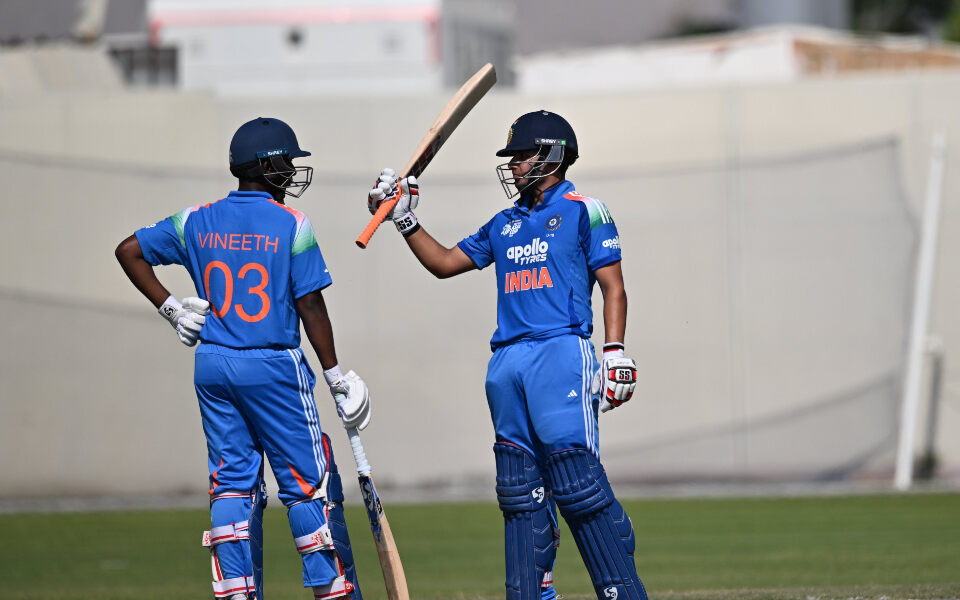
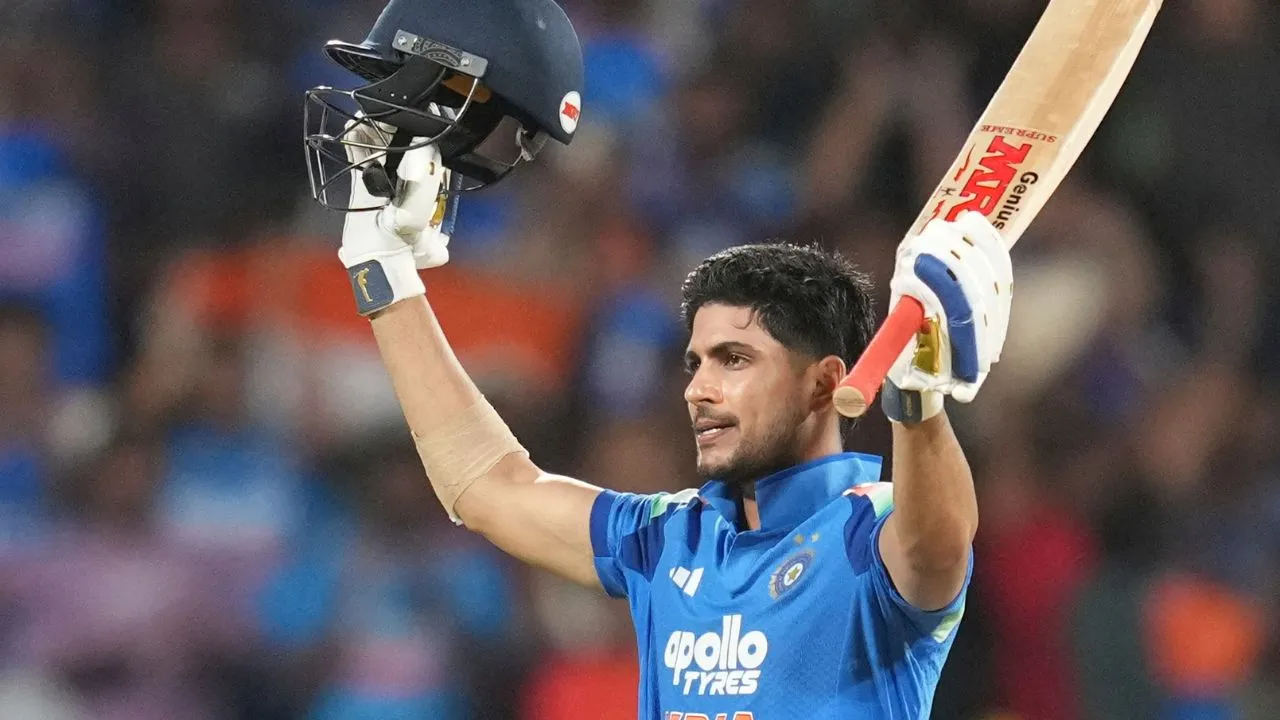
India captain Shubman Gill has eased concerns about his recurring neck problem ahead of the three-match ODI series against New Zealand, saying he completed a lengthy batting session and fielding drills without discomfort in Auckland. The update is encouraging for India as the team prepares for its opening match and manages a demanding international schedule.
Gill addressed the issue at a pre-match press conference after reports that he had received a massage following training. He said the treatment was not a sign of a fresh setback and stressed that his work in the nets and on the field had gone smoothly.
“No issue… I batted for close to one and a half hours and did my fielding without any trouble too. No issue at all,” Gill said.
The captain’s comments should reassure supporters, particularly given the history of his neck problems and the time he has previously spent away from international cricket. While one pain-free session cannot guarantee that an injury will not return, it offers a positive indication of his readiness as the series begins.
Gill’s Latest Fitness Update Comes After a Series of Neck Setbacks
Gill has dealt with neck-related discomfort on several occasions since 2024. His first notable absence came in July of that year, when a neck spasm ruled him out of India’s second T20I against Sri Lanka. A few months later, neck stiffness kept him out of the first Test against New Zealand in Bengaluru.
The most serious episode came during the opening Test against South Africa at Eden Gardens in November 2025. Gill experienced discomfort while batting in India’s second innings and retired hurt after facing just three deliveries. He was taken to hospital for assessment and subsequently missed the second Test as well as the ODI series against South Africa.
Gill later explained that he had suffered a cervical disc bulge that was pressing against nerves. He underwent rehabilitation at the BCCI Centre of Excellence before returning to international cricket. The diagnosis helped explain why the issue required careful management rather than a brief rest alone.
The problem resurfaced during IPL 2026, when Gill missed Gujarat Titans’ match against Rajasthan Royals with a neck spasm. He returned for the following game against Delhi Capitals and described the discomfort as “something similar” to his earlier injury.
That history makes the captain’s current update especially relevant. India will want to monitor his workload throughout the series, balancing the value of his presence at the top of the order with the need to avoid aggravating a recurring condition.
India to Keep No. 5 and No. 6 Positions Flexible
Gill also outlined India’s plans for the middle order, indicating that the team will take a flexible approach to the No. 5 and No. 6 positions. Axar Patel and KL Rahul could move up or down depending on the match situation, the bowling attack and the need to change the batting combination.
India’s top four are all right-handed, making a left-handed option potentially useful against certain bowlers or during particular phases of an innings. Axar could be promoted when the team wants to disrupt a bowling rhythm, while Rahul remains an option to move higher if the circumstances call for a more established batter.
“We will have a floating approach for No. 5 and No. 6. Our top four is set, all right-handers. So if a lefty is needed, Axar bhai goes, and depending on the match situation, even KL bhai can go. So, a bit flexible,” Gill said.
The approach reflects a broader trend in modern ODI cricket, where teams increasingly use match-ups and batting depth to shape their order. Rather than assigning every player a fixed position, captains can respond to factors such as early wickets, the required run rate, the condition of the pitch and the opposition’s bowling options.
Why India Will Manage Its Resources Across the Series
Gill also explained why India may not be able to field its strongest possible combination for every match. The schedule leaves limited recovery time between the preceding Tests and the ODIs, while the World Test Championship standings remain an important consideration for the team.
“Had ODIs happened before T20Is, we could have played full strength all games. But turnaround time was less between Tests and ODIs… and the WTC table is very interesting now,” he said.
His remarks point to the practical challenge of balancing formats. Players moving between Test and one-day cricket need time to recover, particularly after a demanding red-ball series. India’s selection decisions may therefore reflect not only the opposition but also fitness, workload and the wider international calendar.
Prediction: India’s Fitness and Middle-Order Choices Could Shape the ODI Series
Gill’s pain-free training is a welcome sign, and his availability would give India stability at the top of the order. The key question will be whether he can maintain that comfort through repeated matches and travel. India are likely to take a measured approach, with team management monitoring his workload rather than assuming that one successful session has ended the concern.
The flexible roles for Axar and Rahul could also prove important. If India lose early wickets, Rahul’s experience may be valuable higher up the order. If the team needs a left-handed batter to interrupt a bowler’s rhythm, Axar offers a different option. That adaptability could help India respond to changing conditions across the three games.
For New Zealand, the series presents an opportunity to test India’s depth and decision-making. For the hosts, Gill’s update provides a timely boost, but the final prediction will depend on how the captain feels once competitive cricket begins and how effectively India balance their lineup with player workload.
For now, the clearest takeaway is that Gill has reported no discomfort after an extended training session. With his neck history in mind, India will remain cautious, but the captain’s words offer a positive start to the ODI campaign.