Glenn Phillips Sets Bilateral T20I Record as New Zealand Beat India in Series Finale
New Zealand finished the five-match T20I series against India with a confidence-boosting victory, chasing down a target of 192 in the final match. India had already secured the series by winning the first three games, making the last two fixtures dead rubbers in terms of the overall result. But New Zealand’s late response gave the visitors something to celebrate—and Glenn Phillips finished the tour with a landmark achievement.
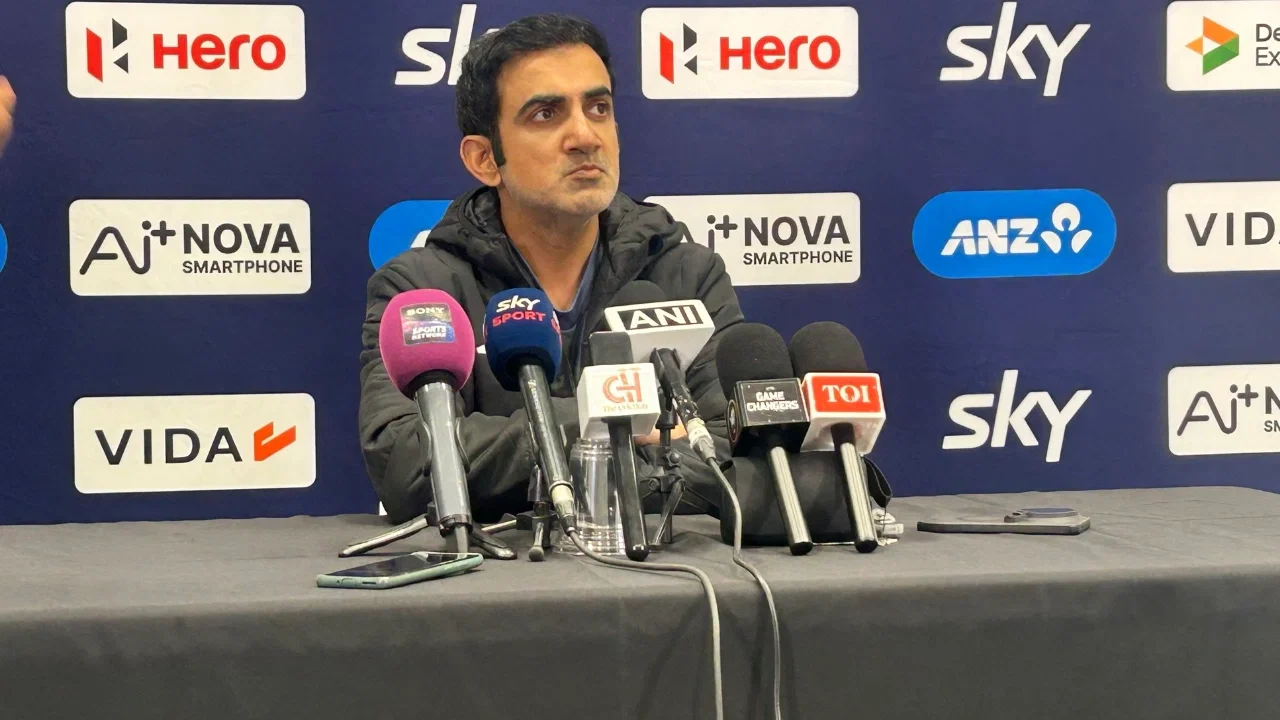
Phillips was named Player of the Series after scoring 331 runs, the most by any batter in a bilateral T20I series. His unbeaten 65 in the final match helped guide New Zealand to victory and capped a remarkable run of consistent, attacking batting. After the game, he discussed the calm approach behind his performances, his decision to take on India’s spin attack, and his hamstring fitness ahead of the upcoming ODI series.
Ishan Kishan and Shreyas Iyer Lead India’s Recovery
New Zealand captain Mitchell Santner won the toss and chose to field. The visitors made one change, bringing Blair Tickner into the side for Matt Fisher. India made two adjustments, with Bhuvneshwar Kumar replacing Mayank Yadav and Varun Chakravarthy featuring for the first time in the series.
Adam Milne gave New Zealand an ideal start, dismissing Abhishek Sharma and Sanju Samson inside the opening three overs. India were under early pressure, but Ishan Kishan and captain Shreyas Iyer responded with an explosive partnership that transformed the innings.
The pair added 93 runs from just 43 deliveries, combining clean hitting with smart placement. Kishan struck 61 from 32 balls, while Iyer contributed 50 off 23. Their rapid scoring put India back on course for a commanding total, though both batters fell within a short period of each other.
India’s momentum slowed after their dismissals as the middle order struggled to maintain the same attacking tempo. Naman Dhir’s useful 33 helped the hosts keep the scoreboard moving, and India eventually posted 191. Milne was New Zealand’s standout bowler, finishing with impressive figures of 4 for 19 from four overs.
Tim Seifert and Glenn Phillips Power New Zealand’s Chase
New Zealand’s reply began with an early setback when Finn Allen was dismissed. Tim Seifert also had a close call: he survived after Naman Dhir dropped a difficult chance off Arshdeep Singh. The reprieve proved costly for India as Seifert went on to play a match-defining innings.
Seifert attacked the bowling with confidence, finding boundaries around the ground and keeping New Zealand’s required run rate under control. He scored 93 but missed out on a century. His partnership with Phillips added 86 runs and shifted the balance of the chase firmly towards the visitors.
Phillips remained unbeaten on 65 from 38 balls, ensuring New Zealand reached the target and completed the victory. The result gave the team back-to-back wins at the end of the series, even though India had already claimed the overall honours. For New Zealand, the finish offered a welcome lift before the longer-format challenge ahead.
Phillips Explains His Approach to India’s Bowling
Reflecting on his Player of the Series performance, Phillips credited a clear mind and patience for helping him make good decisions under pressure. Rather than trying to force every delivery, he said he focused on playing each ball according to its merit while remaining ready to take the initiative when the opportunity arose.
“When you go out there with a clear mind and just try to play each ball on its merits,” Phillips said, describing the calmness that shaped his approach. He added that he aimed to be “a bit more of the hunter and a little less of the prey”—a mindset that allowed him to stay proactive without losing control of his innings.
Phillips also explained that New Zealand identified spin as an area they needed to attack. India had used spin effectively during the series, so the visitors looked for chances to disrupt the bowlers’ rhythm and keep the scoring rate moving. Phillips singled out Varun Chakravarthy’s return to the attack as a key moment, describing the over as potentially decisive for the direction of the chase.
That assessment reflects a broader T20 strategy: batters often target a particular matchup or phase rather than attacking indiscriminately. By choosing when to take risks, Phillips and Seifert were able to build pressure on India’s bowlers while preserving enough control to finish the chase.
Hamstring Update and India vs New Zealand ODI Prediction
With the T20I series complete, attention now turns to the five-match ODI series between India and New Zealand. Phillips said the final victories should give his team confidence, while recognising that the 50-over format demands a different kind of game management. Longer matches allow momentum to shift more gradually, making patience and concentration especially important.
Phillips also offered a reassuring update on his hamstring, saying it “held up quite nicely.” That will be encouraging news for New Zealand, particularly after his heavy workload across the T20I series. His availability could be significant: a batter in this kind of form can influence an ODI match not only through scoring but also by helping steady the innings during difficult periods.
Any India vs New Zealand ODI prediction will depend on conditions, team selection and how both sides adapt to the change in format. India will look to build on its T20I series win, while New Zealand can carry the momentum of its closing performances into the ODIs. Phillips’ record-breaking run adds another compelling storyline, but the longer format will test both teams’ patience, depth and ability to respond when the game’s momentum turns.
India may have won the T20I series, yet New Zealand’s final-match victory ensured the contest ended on a competitive note. Phillips’ 331-run series, Seifert’s explosive chase and Milne’s four-wicket haul provided plenty of talking points—and set up an intriguing next chapter between the two sides.