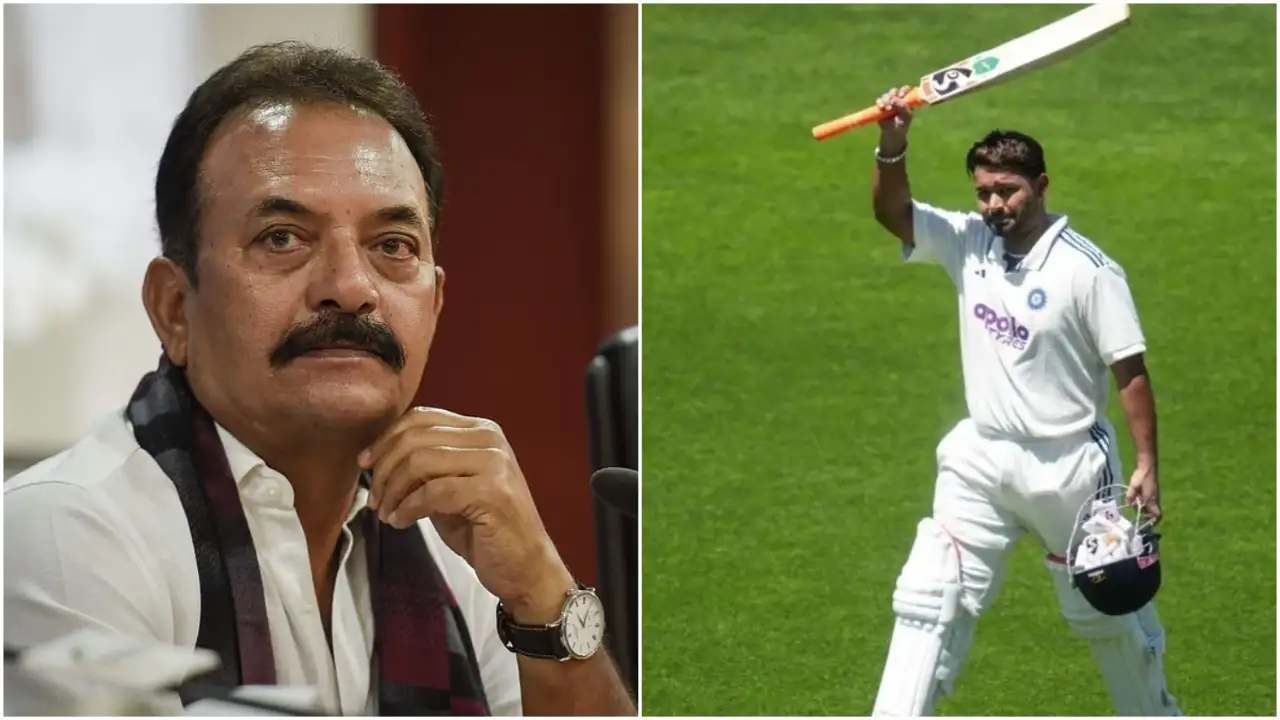
Madan Lal Questions Rishabh Pant’s White-Ball Exclusion After Wellington Century
Rishabh Pant’s composed century in the first Test against New Zealand has renewed debate over his absence from India’s one-day international and T20 international squads. Former India all-rounder Madan Lal believes the wicketkeeper-batter’s ability and confidence make him difficult to leave out—particularly with the 2027 ODI World Cup approaching.
Pant made 128 from 153 deliveries in Wellington, helping India build a commanding first-innings total of 720 for nine before declaring. His innings featured ten fours and six sixes, combining measured shot selection with the attacking instincts that have made him one of the most distinctive batters in international cricket.
Madan Lal wants Pant considered for India’s white-ball teams
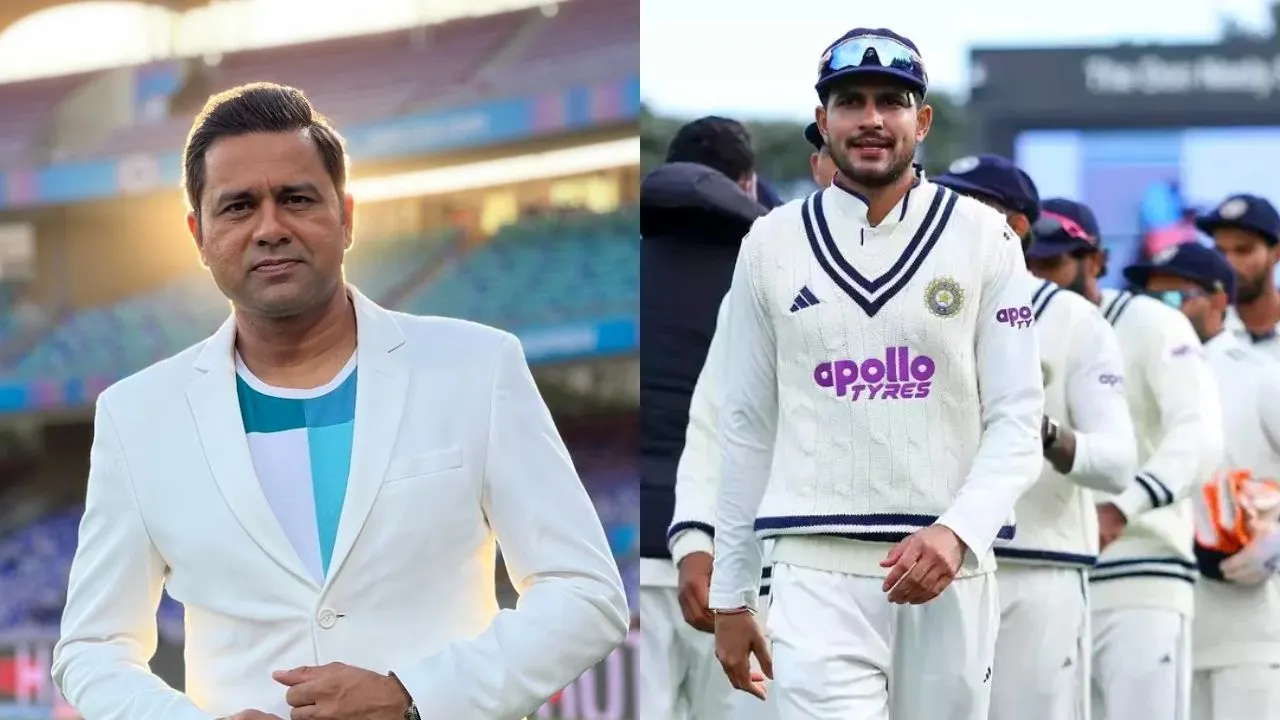
Speaking to news agency ANI after the match, Lal said he could not understand why Pant had been left out of India’s ODI and T20I setups. The former cricketer, who was part of India’s 1983 World Cup-winning team and later coached the national side, acknowledged that there may have been reasons behind the selection decisions, including possible fitness concerns. However, he argued that Pant’s quality should keep him in the conversation.
“I honestly don’t understand why he has been left out of India’s T20 and ODI setups, whether it’s the selectors’ decision or otherwise,” Lal said. He added that India should not overlook a player of Pant’s calibre when planning for major tournaments, saying the wicketkeeper-batter deserves serious consideration for the next World Cup squad.
Pant’s last appearances in the two white-ball formats came in 2024. He last played an ODI in August that year and a T20I in July. His time away from those teams has left selectors with a choice: continue building around other options, or bring back a proven match-winner whose attacking approach can change the pace of an innings.
Why Pant’s batting could offer India a different option
Pant’s value is not limited to his ability to score quickly. He can alter a match by putting pressure on bowlers, disrupting their plans and forcing fielding teams to make adjustments. In limited-overs cricket, that capacity can be especially useful when a side needs to lift its scoring rate or recover momentum after losing wickets.
His Wellington innings also showed a more controlled side to his game. Rather than relying solely on risk, Pant built a substantial score over a long period, choosing his moments to attack. That balance between patience and aggression may strengthen the case for assessing him across formats, although selection decisions will also depend on form, fitness, team balance and the roles available in the batting order.
Lal described Pant as a rare player who appears comfortable trusting his natural instincts, particularly in Test cricket. He said the left-hander is highly confident and does not seem to struggle for form in the way many batters do. Pant’s fearless reputation has been built on innings in which he has taken on difficult situations, but his latest century offered another reminder that he can also construct a score with discipline.
There is, however, a distinction between making a strong case and guaranteeing selection. India’s white-ball squads feature competition for wicketkeeping and middle-order positions, and the team management must weigh Pant’s strengths against the needs of each format. His recent Test performance may increase public and expert discussion, but a final prediction about his return will depend on future selection calls and how he performs in the opportunities available to him.
Siraj’s absence also draws criticism
Lal also questioned India’s decision to leave fast bowler Mohammed Siraj out of the first Test against New Zealand. He said India missed the experienced pacer and urged the team management to consider bringing him back for the second Test, scheduled to begin on Friday.
According to Lal, Siraj’s height and ability to hit the pitch hard could make him effective on surfaces offering extra bounce. Those qualities can help a fast bowler trouble batters even when conditions do not provide consistent movement, particularly by forcing them to handle deliveries rising sharply from a good length.
Team selection in New Zealand often involves balancing pace, accuracy and the conditions on offer. Lal’s comments underline the importance of matching bowlers’ strengths to the surface, while also recognising the value of experience in a demanding Test series. Whether Siraj returns to the XI will depend on the team’s assessment of the pitch and its overall bowling combination.
Selection debate continues ahead of future tournaments
The discussion around Pant and Siraj reflects a broader question facing India: how should the team balance established performers, current form and long-term planning? Pant’s century has brought renewed attention to his white-ball prospects, while Lal’s remarks have added to calls for the selectors to assess his potential role before the 2027 ODI World Cup.
For now, Pant remains a prominent name in the conversation rather than a confirmed member of India’s limited-overs plans. His Wellington knock has strengthened the argument that he can contribute more than explosive cameos, demonstrating the concentration and adaptability required to play a long innings. The next steps will be determined by selection choices, fitness assessments and performances across upcoming matches.
As India continue their series against New Zealand, both the Pant selection question and Siraj’s potential return will remain closely watched. Lal’s message is clear: exceptional talent should not be dismissed lightly, especially when major tournaments are on the horizon. Whether the selectors share that view will shape the next chapter of Pant’s international career—and influence predictions about India’s options in the build-up to 2027.