Delhi High Court Orders Disclaimer and ₹2 Crore Guarantee for Film About India’s Other Freedom Struggle
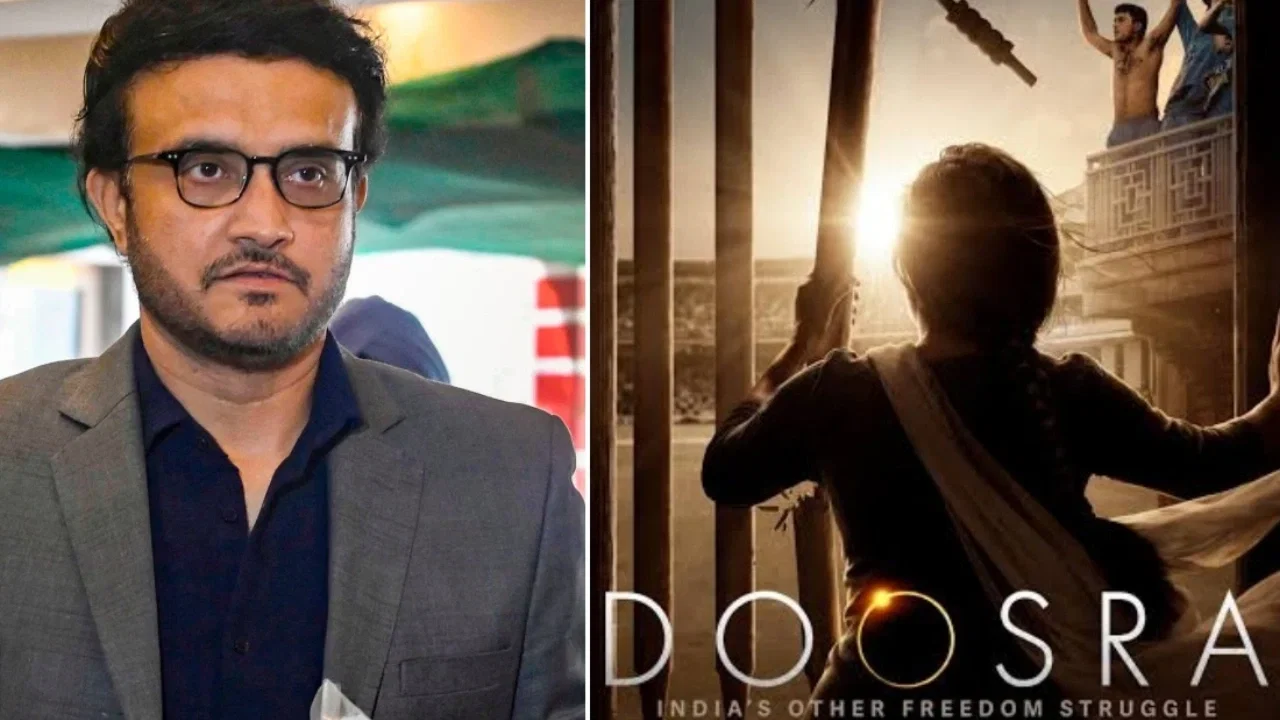
The Delhi High Court has directed the makers of Doosra: India’s Other Freedom Struggle to add disclaimers at the beginning and end of the film and provide an unconditional bank guarantee of ₹2 crore. The interim order follows a lawsuit brought by former India cricket captain Sourav Ganguly and production company Luv Films LLP, who allege that the movie commercially uses Ganguly’s personality without his consent.
At the same time, the court declined to stop screenings of the film, which opened in cinemas on October 23. The decision allows the sports drama to continue showing while requiring its makers to take steps intended to inform audiences about Ganguly’s position and secure the financial guarantee ordered by the court.
What the Delhi High Court Ordered
Justice Tejas Karia directed the film’s producer, Ramesh Deo Productions Private Limited, to place a disclaimer in both Hindi and English at the start and end of the movie. The court said the notice should make clear that Ganguly did not consent to the use of his persona in the film and that the movie is not intended to infringe his personality or publicity rights.
According to a report by Bar and Bench published on November 6, the filmmakers were given two days to add the disclaimers. The court also ordered the production company to furnish an unconditional bank guarantee of ₹2 crore to the registrar within two weeks.
The order carries a further warning: if the defendants do not meet the requirements within the specified deadlines, they and those acting on their behalf could be restrained from making commercial use of the film. The guarantee and disclaimer requirements are interim measures; they do not, by themselves, represent a final determination of the dispute.
Why Sourav Ganguly Challenged the Film
Ganguly and Luv Films LLP have raised concerns about the movie’s use of events associated with the former captain’s career. One scene reportedly recreates the final of the 2002 NatWest Series, including Ganguly’s famous celebration on the Lord’s balcony after India defeated England in a dramatic chase.
The moment remains one of the most recognisable images in Indian cricket. Ganguly waved his shirt from the balcony in celebration, a gesture widely remembered as a striking response to the home side’s victory celebration at the earlier match at Lord’s. Its enduring place in cricket history makes the scene a powerful dramatic reference—but, according to the plaintiffs, also raises questions about how a real person’s identity and signature moments can be used in a commercial film.
The lawsuit reportedly argues that the filmmakers went beyond depicting historical events and used Ganguly’s persona in connection with the movie’s marketing, screenings, trailer launch and other commercial activities. The plaintiffs’ position is that presenting a public figure’s life or career on screen does not automatically grant permission to use that person’s identity for promotional or commercial purposes.
Film Can Continue Screening, for Now
The court’s refusal to halt screenings is a significant part of the interim order. Rather than withdrawing the film from cinemas, the court has allowed it to remain available while the required disclaimers are added and the bank guarantee is provided. This approach preserves the status quo for audiences and the filmmakers while the legal dispute continues.
Doosra: India’s Other Freedom Struggle is directed by Abhinay Deo and stars Plabita Borthakur, Ankur Vikal and Samidha Guru. The film uses cricket as part of a broader dramatic narrative, drawing on the sport’s cultural importance and the way major matches can become intertwined with national identity and public memory.
The case therefore sits at the intersection of filmmaking, historical storytelling and the legal protections available to public figures. A movie may portray real events, but disputes can arise when a recognisable individual’s name, image, gestures or other distinctive characteristics are used in ways that may suggest approval, involvement or endorsement.
Personality Rights and the Wider Debate
Personality rights generally concern a person’s ability to control the commercial use of identifying features such as their name, likeness, voice or distinctive public persona. In India, courts have considered these issues in cases involving celebrities and other well-known individuals, particularly where advertising or commercial activity may create a misleading impression of consent or endorsement.
At the same time, films about public events can raise competing considerations. Historical dramas and biographical works often rely on real incidents, public records and widely known moments. The central legal question in disputes like this is not simply whether an event happened, but how the film presents it, whether it uses a person’s identity commercially, and whether the overall presentation could imply that the person authorised or supported the project.
The Delhi High Court’s order does not settle those broader questions in Ganguly’s case. Instead, the disclaimer requirement offers audiences immediate clarification, while the bank guarantee provides a financial safeguard as proceedings continue. The court’s decision to permit screenings also signals that the immediate remedy will focus on disclosure and compliance rather than a blanket interruption of the film’s release.
What Happens Next
The next stage will depend on whether the filmmakers comply with the deadlines and how the parties present their arguments as the case progresses. The court may later consider the allegations in greater detail, including the film’s portrayal of the NatWest final and the way Ganguly’s identity was used in promotional material.
For viewers, the practical change is expected to be a clear notice explaining that Ganguly did not consent to the use of his persona. For the film industry, the case is another reminder that using real-life sporting history can involve more than obtaining factual material: producers may also need to assess the legal risks of using a living public figure’s identity in a commercial project.
As the proceedings continue, the dispute could contribute to a wider conversation about how filmmakers balance creative freedom with the rights of the people whose lives and achievements inspire screen stories. Any prediction about the case’s final outcome would be premature, but the interim order establishes clear immediate obligations for the film’s makers while leaving the core legal issues open.