Dodda Ganesh Questions Gautam Gambhir’s Decision to Drop Vaibhav Sooryavanshi
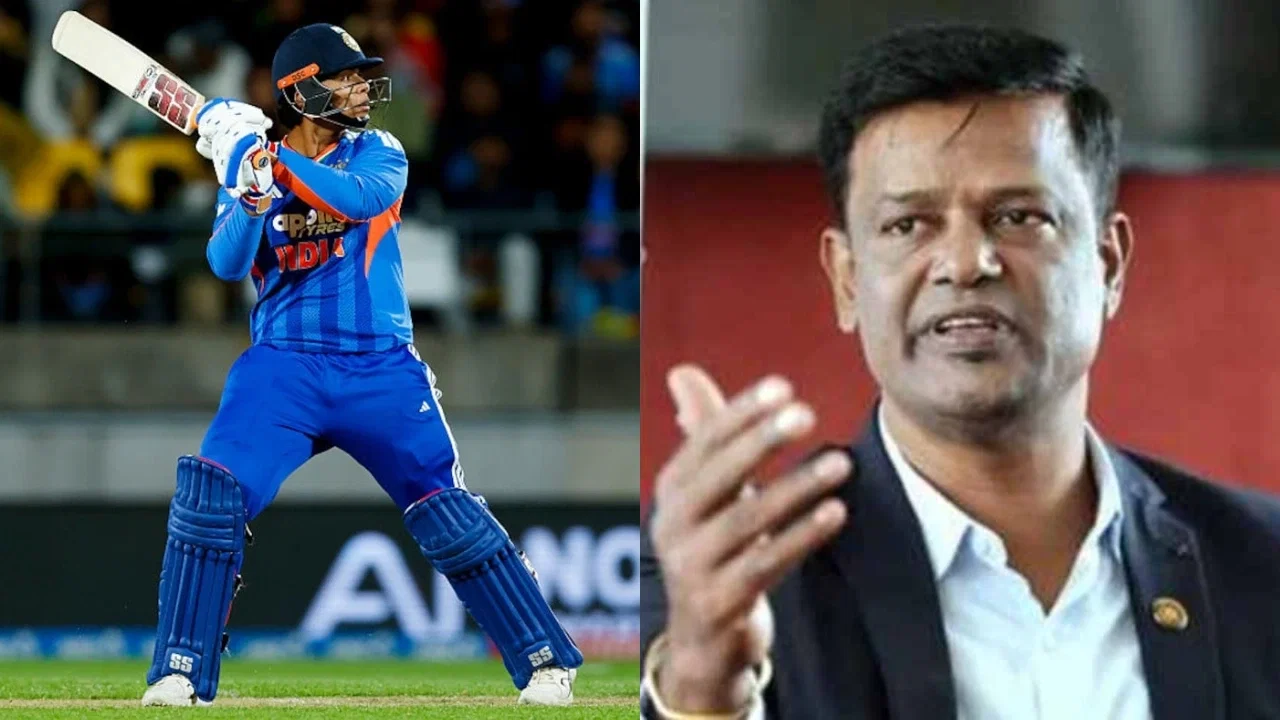
Former India fast bowler Dodda Ganesh has criticised head coach Gautam Gambhir and the team management after young batter Vaibhav Sooryavanshi was left out of the fourth T20I against New Zealand in Auckland. With India already holding an unassailable 3-0 lead in the five-match series, Ganesh argued that the match offered an ideal opportunity to rest a senior player and give the teenager another chance.
Sooryavanshi had stepped into the side after wicketkeeper-batter Ishan Kishan was sidelined by a low-grade strain to his right adductor. Kishan recovered in time for the Auckland fixture and returned to the playing XI, while Sooryavanshi made way despite an eye-catching innings in the previous match.
“The series is done. Could’ve rested a senior and played Vaibhav Sooryavanshi. Don’t understand this decision of dropping him,” Ganesh wrote on X, expressing his frustration with the selection call.
Why the selection decision drew attention
India had already won the series with victories in Christchurch and Wellington, taking a 3-0 lead before the fourth T20I. That result gave the management room to consider experimenting with the lineup or managing the workload of established players. Ganesh’s criticism reflected a wider question familiar to cricket fans: when a series is settled, should teams prioritise continuity, or use the remaining games to develop emerging talent?
There are arguments on both sides. Resting senior players can help manage fatigue and reduce injury risk during a busy international schedule. At the same time, keeping a young player in the XI after a strong performance can offer valuable experience and help selectors assess how he responds to continued exposure at international level. The decision to bring Kishan back also had a practical dimension: he needed match time after his injury layoff.
Sooryavanshi’s comeback innings made his omission more striking
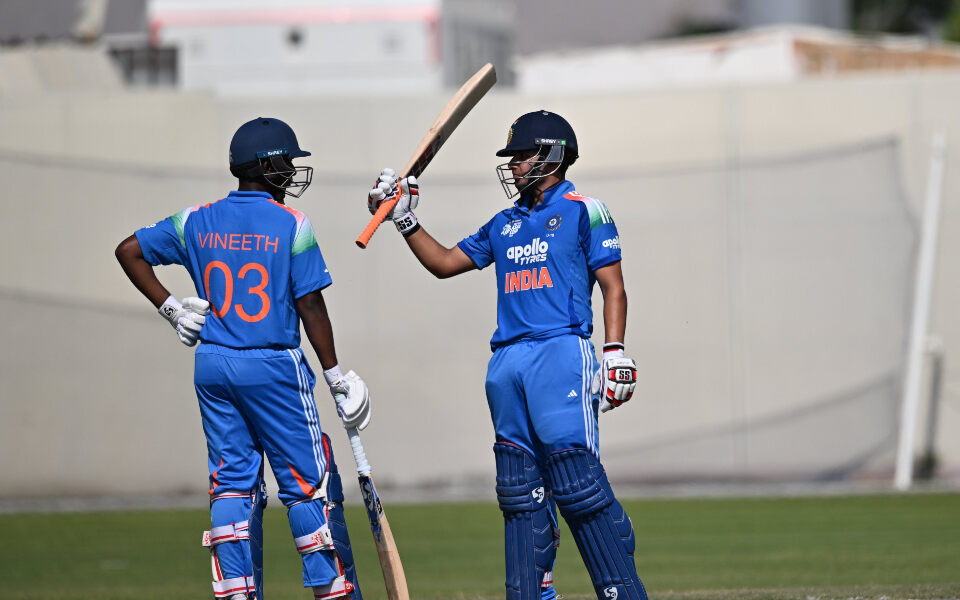
The 19-year-old’s first outing against New Zealand was a difficult one. Batting at No. 3 in the second T20I, he scored four runs from eight deliveries. He responded emphatically in Wellington, however, producing 45 from just 19 balls. His innings included four fours and four sixes, giving him a strike rate of 236.84 and helping India make a rapid start to their chase.
Sooryavanshi opened alongside Abhishek Sharma, and the pair put on 133 runs in only 7.1 overs. Their assault included 118 runs in the powerplay, setting a new T20I benchmark and surpassing the previous record of 116, scored by Romania against Serbia in 2021. India ultimately chased New Zealand’s target of 199 in 13.2 overs.
The performance did more than improve the scorecard: it showed how quickly the youngster could recover from a quiet debut and adapt to the demands of international cricket. His innings also gave the team a powerful opening combination, though the reshuffle meant Sanju Samson moved to No. 3 in Wellington. With Kishan available again in Auckland, the management opted to restore its preferred senior batting options.
Abhishek Sharma leads India’s batting charge
India’s series success has been built on contributions from several batters, with Abhishek Sharma setting the pace at the top. He had scored 169 runs across the first three matches, including a remarkable 113 from 38 balls in the third T20I. The innings featured nine fours and 11 sixes, underlining his ability to put a bowling attack under pressure from the outset.
Samson has also made an important contribution, scoring 99 runs in the series before the Auckland match. His best effort came in the opener, when he struck 67 from 33 balls and reached his half-century in just 23 deliveries. He and Abhishek combined for a 93-run powerplay partnership, giving India a commanding platform in the chase.
Tilak Varma and Naman Dhir provide middle- and lower-order impact
Tilak Varma played a defining role in the second T20I. India were under pressure at 70 for five when he steadied the innings and then accelerated, finishing unbeaten on 51 from 26 balls. His late surge included 42 runs from his final 16 deliveries, helping India complete the chase and demonstrating the value of a batter who can shift gears under pressure.
Naman Dhir has added further depth to the lineup. He had scored 77 runs in the series, including an unbeaten 42 from 15 balls in the first match. That quickfire contribution helped India record their highest successful T20I chase against New Zealand. Dhir also made 31 from 21 deliveries in the second T20I, offering a dependable option lower down the order.
India’s dominant run adds context to the debate
India’s results against New Zealand have been impressive, with eight wins from nine T20Is during the year, including victory in the 2026 T20 World Cup final in Ahmedabad. Such a strong record gives the team management room to test combinations, but it also raises expectations: fans naturally want to see promising players rewarded when they seize an opportunity.
The fourth T20I selection therefore became about more than one change. It highlighted the balance between bringing an experienced player back from injury, maintaining a settled team and giving a rising prospect continued exposure. Kishan’s return was understandable from a fitness and preparation standpoint, while Ganesh’s argument centred on the opportunity cost of leaving Sooryavanshi out when the series outcome was already decided.
For Sooryavanshi, the brief series stint still offered a valuable glimpse of his potential. His 45-run knock showed that he can attack quality opposition and make an immediate impact, while his earlier dismissal provided a reminder that development at international level is rarely a straight line. Whether he features again in the final match may depend on the team’s priorities, but his performance has strengthened the case for further opportunities.
As the series moves toward its conclusion, the selection debate is likely to remain part of the conversation. India have already secured the trophy, yet the remaining fixture can still shape future plans. For supporters following the team’s next move, the key prediction is whether the management will favour a settled senior lineup or use the final opportunity to give emerging players another look.