Priyanshu Moliya’s unbeaten 321 powers Baroda to 616 against Jammu and Kashmir
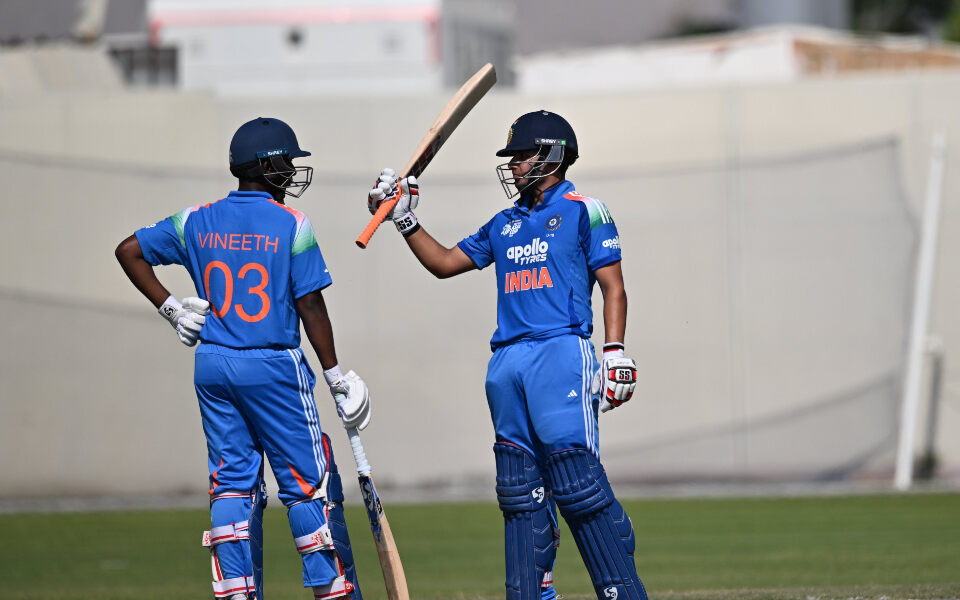
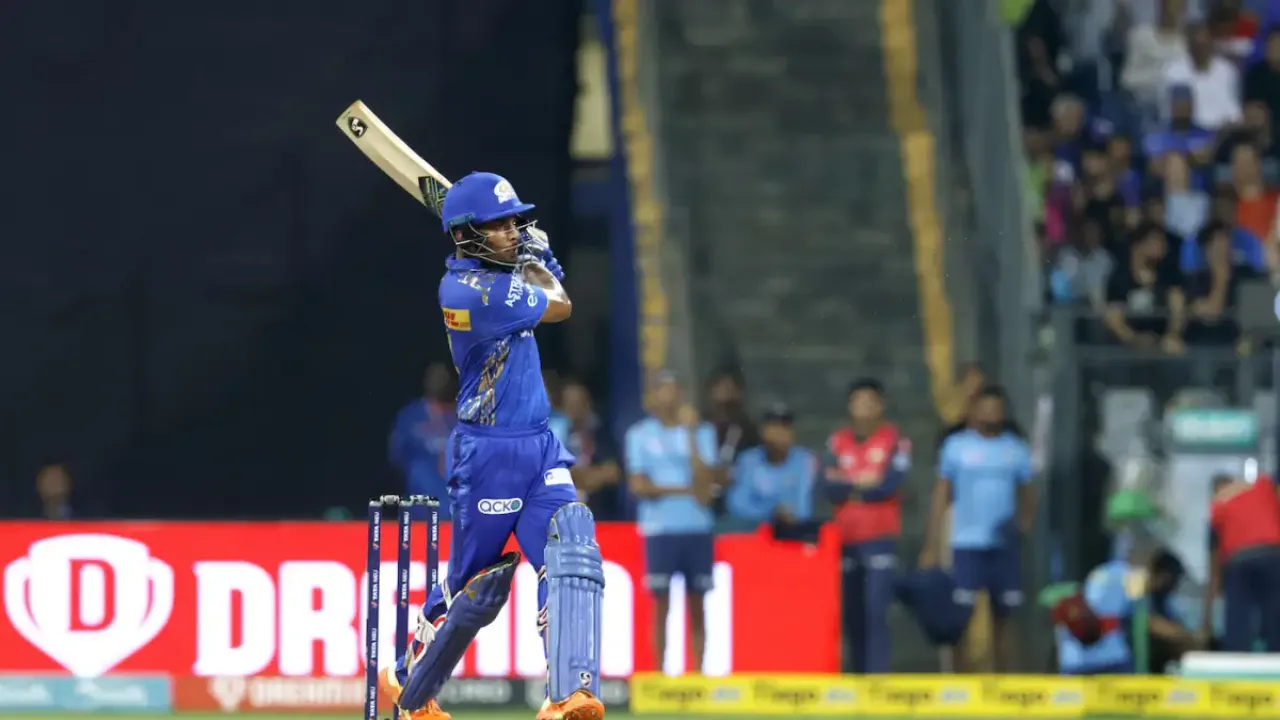
Baroda batter Priyanshu Moliya has produced one of the standout performances of the 2026–27 Ranji Trophy season, scoring an unbeaten 321 against defending champions Jammu and Kashmir. The 21-year-old’s marathon innings helped Baroda reach 616 in their first innings at the Reliance Cricket Ground in Vadodara, putting his team in a commanding position.
Moliya faced 492 deliveries and struck 36 fours and one six, combining patience with carefully chosen attacking shots. His triple century is a landmark achievement in his young career and places him among the youngest Indian batters to reach 300 in first-class cricket. It also adds a new name to a list featuring several players who went on to make a significant impact on the domestic and international game.
A composed innings built on patience and responsibility
Baroda had lost wickets early, leaving Moliya with the task of steadying the innings while keeping the scoreboard moving. Rather than chase quick runs, he focused on occupying the crease and building partnerships. That approach became central to Baroda’s recovery and eventual total of 616.
The innings was notable not only for its size but also for its tempo. Moliya showed restraint when the bowling demanded it, then took advantage when the field came in or a delivery fell within his hitting range. He completed his century with a six, but most of his scoring came through controlled strokes and a strong willingness to wait for opportunities.
Speaking to the Board of Control for Cricket in India after the day’s play, Moliya said his main aim had been to bat for as long as possible after Baroda’s early setbacks. He explained that the pitch was good for batting, while the fast bowlers offered some assistance, prompting him to stay close to the ball and avoid unnecessary risks.
“I was trying to play as long as possible. At the start, wickets had fallen, so I was looking for a partnership,” Moliya said. He added that once fielders moved closer, he was prepared to attack any delivery within his range.
Triple century adds Moliya to an elite group
According to the figures cited for the match, Moliya became the second Baroda batter to score a first-class triple century and the seventh-youngest Indian to reach the milestone. His achievement places him alongside a group of accomplished batters who reached 300 at a similarly young age.
The youngest Indian first-class triple-centurions listed are:
- Wasim Jaffer: 18 years, 262 days
- Abhinav Mukund: 18 years, 302 days
- Rishabh Pant: 19 years, 92 days
- Arjan Kripal Singh: 19 years, 342 days
- Cheteshwar Pujara: 20 years, 290 days
- Srikar Bharat: 21 years, 126 days
- Priyanshu Moliya: 21 years, 132 days
Former India opener Wasim Jaffer, who scored a first-class triple century at 18, remains the youngest player on the list. Moliya’s place among these names is an early indicator of his potential, though the next challenge will be to build on this performance consistently across future seasons.
Why the knock matters for Baroda
A score of 616 gives Baroda a substantial platform in a match against the defending champions. In a long-format contest, a large first-innings total can shape the pace of the game: it gives the bowling side more room to attack and places pressure on the opposition to respond with a similarly substantial score. The final outcome will depend on how Jammu and Kashmir handle their innings, but Moliya’s contribution has given Baroda a strong foundation.
His innings also underlined the value of adaptability in first-class cricket. A batter may need to defend for extended periods, manage changing bowling plans and still recognise the right moments to score. Moliya’s ability to do both was especially important as wickets fell around him. He said the responsibility of batting for the team encouraged him to stay focused and continue forming partnerships.
What comes next for the young Baroda batter?
One exceptional innings does not determine a player’s future, but a triple century at 21 is a significant achievement and will naturally draw attention to Moliya’s progress. His performance is likely to prompt fresh discussion about his prospects in domestic cricket, while also giving him valuable experience in handling pressure and sustaining concentration over a long innings.
Any prediction about a young player’s next step should remain measured. Selection and career progress depend on sustained performances, fitness, team requirements and opportunities. Still, Moliya has made a strong case for himself with a knock that combined endurance, judgement and responsibility. If he can reproduce those qualities through the remainder of the Ranji Trophy season, this innings could become an important milestone in a promising career.
For now, Baroda will take confidence from a commanding first-innings total, while Moliya can reflect on a personal achievement that places him among India’s youngest first-class triple-centurions. His unbeaten 321 was more than a record-book entry: it was a patient, team-focused performance that helped define the match and announced his arrival as one of the season’s most compelling domestic cricket stories.